
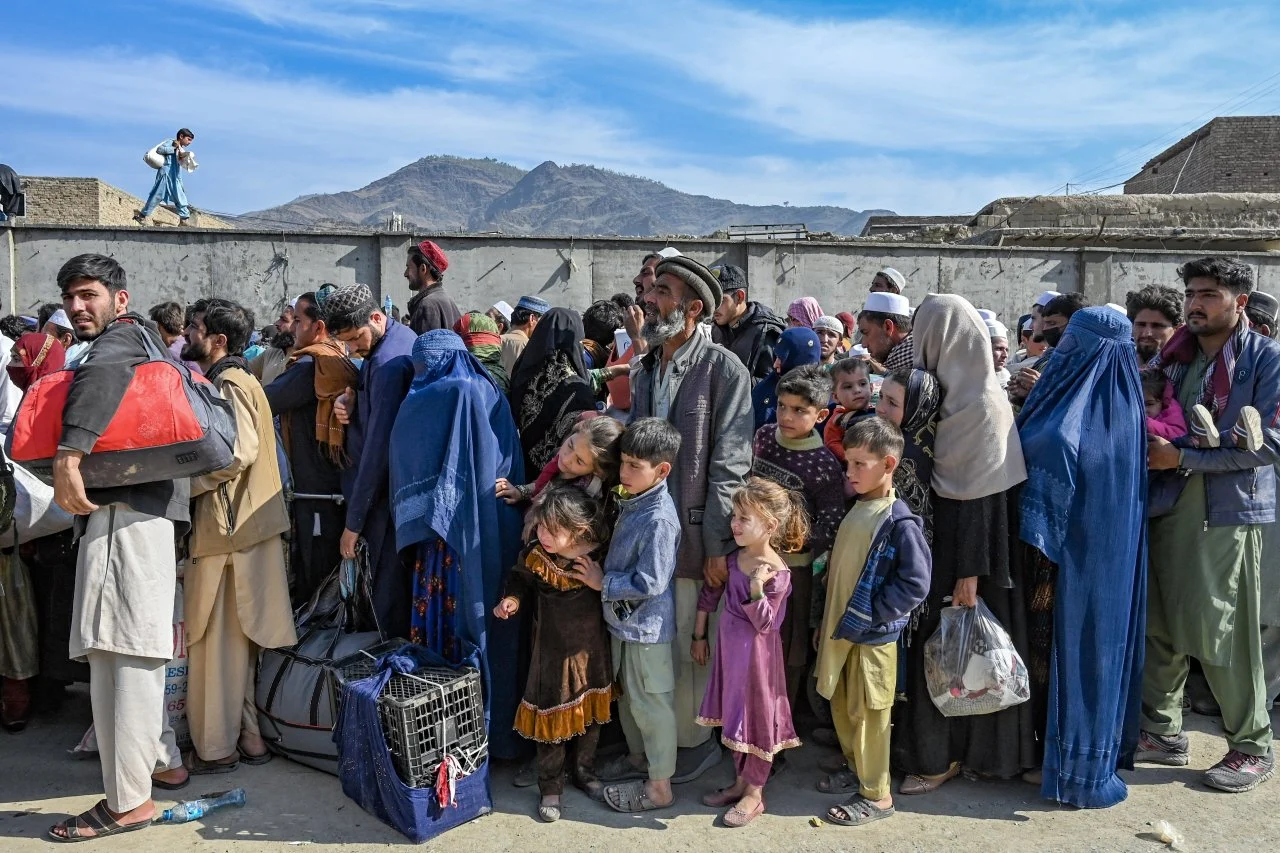
Kabul — Afghan nationals returning home are being subjected to strict vetting under the Taliban, raising concerns over civil liberties and fair treatment. Officials confirmed that all returnees undergo a rigorous process, including identity verification, biometric registration, and security screening before being allowed to re-enter the country.
According to Afghan authorities, the Afghan Repatriation Commission has set up 12 committees to monitor and control the return process. The first step, managed by the Welcome Committee involves registering all returning citizens, checking documents, and recording biometric data.
Special teams are deployed to manage cases of undocumented returnees, ensuring every individual passes through the vetting process. Security committees work closely with these teams to flag anyone deemed a potential risk to national stability.
A senior Taliban official emphasized:
“Even Afghans are not allowed to return without proper ID, legal papers, and vetting. Our system ensures that all arrivals are scrutinized before they are reintegrated into society.”
Criticism of Taliban Control
Critics argue that while the Taliban applies intense scrutiny on returning Afghan citizens, Afghan nationals abroad often enjoy preferential treatment in host countries. Humanitarian experts warn that such rigid procedures by the Taliban not only delay the reintegration of returning families but also expose them to bureaucratic abuse, intimidation, and surveillance. The comprehensive registration, biometric collection, and security screening may prioritize control and monitoring over genuine humanitarian support.
Regional Concerns
The Taliban’s strict vetting occurs amid growing regional apprehension over undocumented Afghans returning from neighboring countries. Observers say the approach emphasizes national security at the cost of personal freedoms, highlighting the authoritarian measures imposed by the Taliban on vulnerable populations.
Contradictory Narrative
This situation stands in stark contrast to the narrative pushed by Afghan social media networks and some active groups regarding other countries, especially Pakistan, where they demand unchecked acceptance of Afghan refugees and chastise host states under the banner of “Islamic brotherhood” or “allied duty.”
This contradiction has prompted social media users to question: if the Afghan authorities themselves do not allow citizens to enter the country without verification, why is pressure exerted on other nations to accept Afghan nationals without proper documentation?











