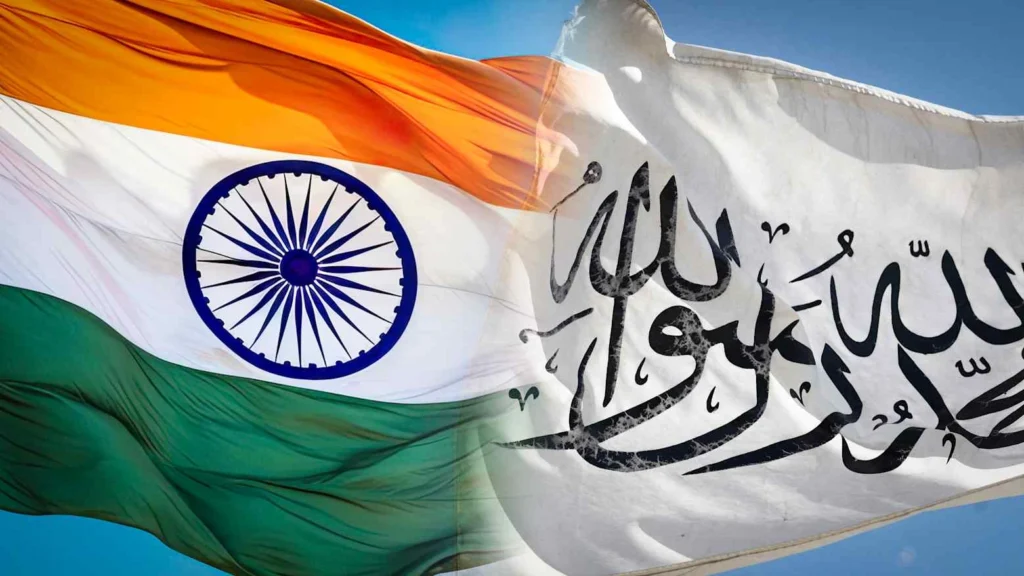
Philippine_ Australian and Philippine authorities have confirmed that the father of the suspect behind the deadly Bondi Beach shooting entered the Philippines in November as an Indian national, a detail now central to correcting widespread misinformation that initially sought to link the attack to Pakistan.
Philippine immigration officials said Sajid Akram, 50, travelled on an Indian passport, while his son, Naveed Akram, 24, held Australian nationality.
The pair arrived together in the Philippines on November 1, listing Davao in Mindanao as their destination and departed on November 28 on a return journey to Sydney.
The confirmation was issued by Manila-based authorities including immigration spokesperson Dana Sandoval and reported by international media, including AFP.
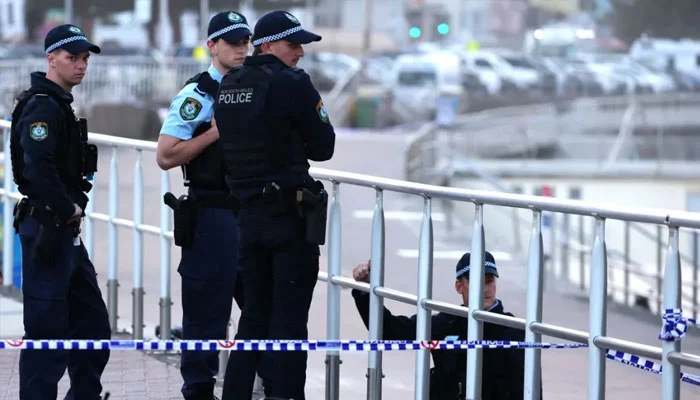
The attack which targeted a Hanukkah gathering at Sydney’s Bondi Beach, killed 15 people and injured dozens.
Australian officials have described it as a terrorist act inspired by Daesh (ISIS) ideology, while stressing that the actions reflect individual radicalization, not any religion or community.
Verified travel records and official findings
According to Philippine officials, the father entered the country explicitly as an Indian national, a fact recorded in immigration documents.
Philippine military sources also stated they found no evidence that the suspects received militant or military-style training during their stay, despite early speculation.
Australian police have confirmed that no additional suspects are being sought.
Investigators recovered improvised explosive devices and ISIS-linked symbols from a vehicle registered to the younger suspect. Moreover, the probe remains focused on individual radicalization pathways rather than foreign state or community involvement.
بی بی سی کو اس بات کی تصدیق ہوئی ہے کہ 50 سالہ ساجد اکرم نے حال ہی میں انڈین پاسپورٹ پر فلپائن کا سفر کیا تھا۔
— BBC News اردو (@BBCUrdu) December 16, 2025
تفصیلات: https://t.co/8vAU3PQOid pic.twitter.com/3mz1FUST9F
Misinformation around the incident fueled by Disinfo Nexus of Delhi-Kabul
Despite official confirmations, sections of Indian, Afghan, and Israeli-linked media and social media networks prematurely circulated claims identifying the suspects as Pakistani.
These assertions were made without documentary evidence and before authorities released verified nationality details.
Pakistani analysts note that this mirrors a recurring pattern in which terror incidents are rapidly framed through identity-based attribution, often dragging Pakistan into global terrorism narratives without factual basis.
Similar misframing occurred in past incidents in the United States, the shooting of National Guards in Washington. The suspect was initially labelled as Pakistani before later confirmation of his Afghan origins.
Officials and security experts stress that passport nationality and official travel records, not names or online speculation must guide counterterrorism reporting.