
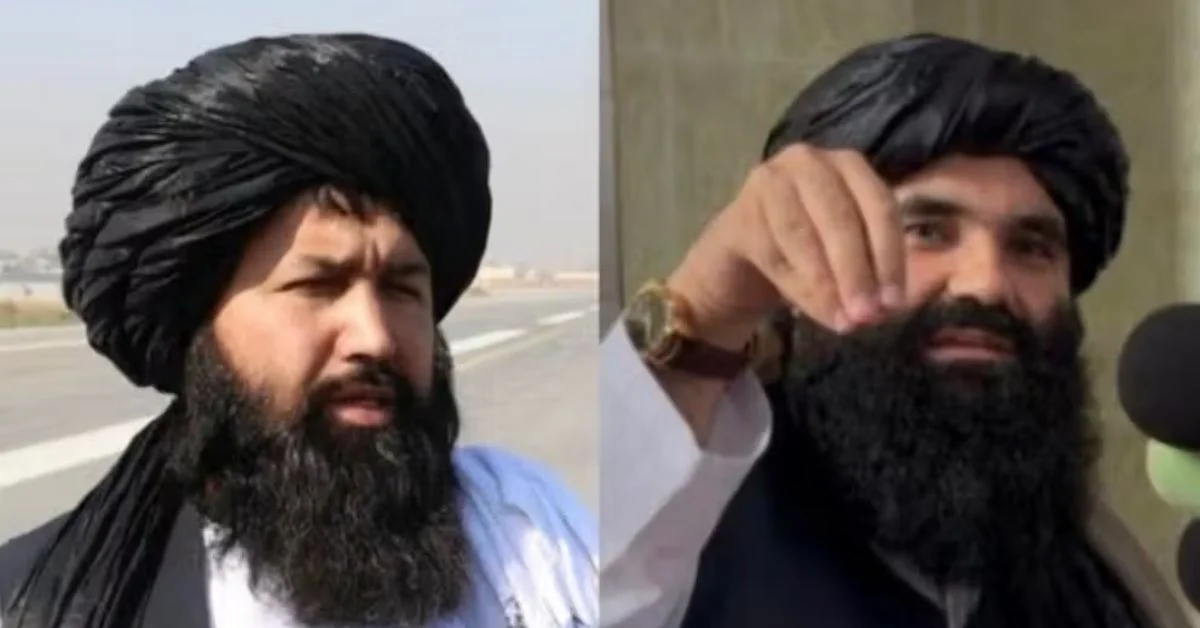
Kabul— Taliban Higher Education Minister Neda Mohammad Nadeem has issued a rare public warning about “growing distrust” and “discord” within the group. He said the survival of the Taliban administration depends on unity and full obedience to leader Hibatullah Akhundzada.
His remarks, delivered at the Taliban’s central jihadist madrassa in Kabul, come amid rising signs of internal friction and competing narratives among senior figures.
Nadeem cautioned officials against what he called “enemy propaganda,” claiming external actors were attempting to sow division inside the movement.
He urged Taliban members to remain loyal and avoid factional differences, adding that internal division and a widening gap between the authorities and the public could weaken the entire system.
Neda Mohammad Nadeem, the Taliban’s minister of higher education, warned of growing “distrust” and “discord” within the group during a speech in Kabul.https://t.co/QbwqGI1wER pic.twitter.com/n44BbiIJx5
— Afghanistan International English (@AFIntl_En) December 17, 2025
Nadeem and Haqqani express conflicting signals
Nadeem’s speech follows a series of unusually candid statements from Interior Minister Sirajuddin Haqqani. Who recently visited Khost and criticized the Taliban’s heavy-handed governance style.
Haqqani said a government should “win hearts, not rule by fear,” adding that Taliban officials must stop intimidating the public and rebuild trust.
These two senior figures now delivering parallel public messages has drawn attention across the region.
Haqqani’s emphasis on public resentment directly contrasts with Nadeem’s insistence on obedience and silence in the face of criticism.
Analysts say this reflects a deeper division between the Kandahari leadership close to Akhundzada and the Haqqani-affiliated faction that has pushed for a more pragmatic public posture.
Both ministers have repeatedly warned in recent months about internal tensions, lack of coordination and growing dissatisfaction inside Taliban ranks.
Their messages highlight a governing structure increasingly strained between rigid ideological lines and pressures from fighters and civilians seeking reforms.
Governance or rhetoric?
— HTN World (@htnworld) December 14, 2025
T@liban interior minister Sirajuddin Haqqani calls for public‑trust governance, yet Afghanistan lacks elections and inclusive institutions. UN reports highlight human rights abuses, restrictions on women, and ongoing militant activity, showing a gap… pic.twitter.com/Mws2XR8aBJ
Internal friction raises new concerns for the region
Regional observers, including Pakistan, measure Taliban credibility through actions not speeches.
Concerns remain over the continued presence of TTP, ISKP and other groups operating from Afghan soil even as the Taliban leadership insists its system is stable and unified.
For neighboring states, Nadeem’s comments signal unease within the governing structure at a time when Afghanistan faces economic strain, public discontent and growing international isolation.
As long as Kabul avoids addressing internal divides and fails to show verifiable progress on governance and counterterrorism commitments, statements about unity will be met with skepticism both inside and outside the country.
Read more: Haqqani Calls for Consent-Based Governance, but Taliban Record Tells a Different Story











