
Latest Updates
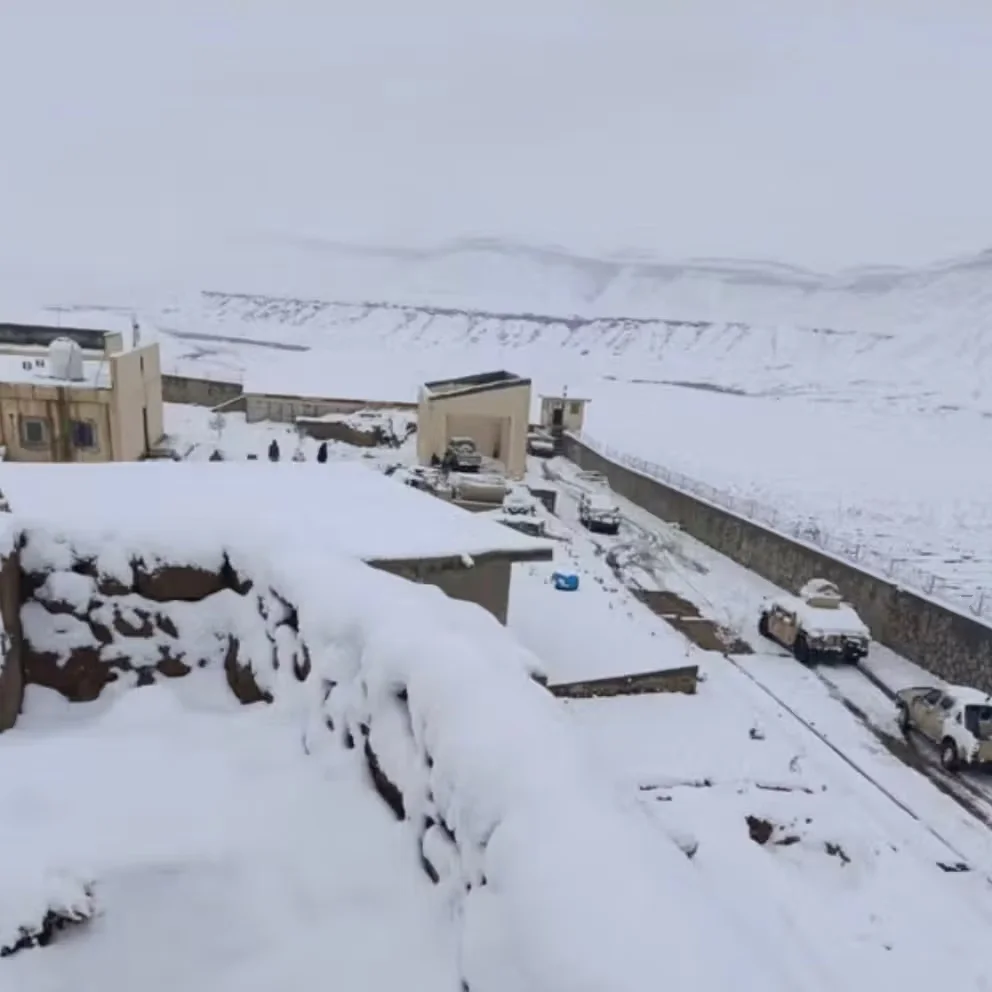
Officials have recovered more than 40 bodies of migrants who died while attempting to illegally enter Iran during severe winter cold. Earlier reports had placed the number at around 30, but updated figures from border areas show a higher toll as more bodies are being found.
Authorities say the victims froze to death while trying to cross remote routes along the Afghanistan-Iran border.
Rising Toll in Herat Border Districts
Officials and local sources report that bodies have been transported to several districts in Herat province, including Kohsan and Adraskan. Visits to morgues on both sides of the border suggest the toll may continue to rise as search teams cover wider areas.
The incident highlights the dangerous routes used by Afghan migrants during winter, when freezing temperatures make crossings even more perilous. Authorities in both countries are continuing efforts to identify the victims and notify families.
Previous News
Herat – A heartbreaking tragedy has unfolded in the border region of Herat province, where 30 people lost their lives while attempting to seek a better future.
A group of approximately 100 Afghan Refugees attempted to cross the border into Iran when they were caught off guard by the harsh conditions of the winter scene.
The majority of the victims were reportedly killed by extreme cold and pneumonia after becoming trapped in the most remote and severe places on the border.
The reason why many families have been forced to leave Afghanistan in search of employment in other countries is the current economic crisis in Afghanistan that has rendered most of the population desperate.
In an effort to evade border patrols, most travelers opt to take unsafe routes across freezing mountain ridges. To these Afghan Refugees, the gamble to beat poverty culminated in a devastating loss of life that local communities are grieving over.
Iran’s Shifting Refugee Policy
Iran has historically taken in millions of displaced people from its neighbor, frequently giving them access to basic healthcare and education. But Iran’s approach to Afghan refugees has changed significantly in recent years, moving more toward forced return and deterrence.
The government has shifted from a position of hospitality to one of stringent border control and mass repatriation as the Iranian economy faces its own difficulties.
Treatment of Afghan refugees in Iran has become a subject of international concern, with reports of increased raids and restricted access to public services.
Investigations and Recovery Efforts
The incident occurs amidst a surge in Afghan repatriations from Iran, as authorities in Tehran accelerate plans to return undocumented individuals.
A formal investigation has been initiated after the bodies were found to gain insight into the true magnitude of the occurrence.
As the authorities search the area, they fear that the number of people who died may be higher.
The remains of the dead will be exhumed and officially returned to the Afghan government in the next two days, and then the families will be able to finally bury their loved ones.
This event demonstrates the increasing humanitarian crisis as more individuals risk all to seek safety and stability. The sufferings of Afghan Refugees are one of the primary concerns of aid agencies, who declare that without economic assistance and safer ways to take, more citizens would become victims.
This risk is on a high level as the cold winter months go on, and those who want to cross the border still take a risk. Local leaders are calling for increased awareness about the risks of irregular migration across high-altitude areas.
Read more: Terror Networks Still Thrive Under Taliban Rule, UN Warns—Pakistan Faces the Direct Fallout











