Newsflash:

Reports of Ethnic and Linguistic Discrimination Persist Despite Taliban Denial

Taliban deny ethnic and language discrimination in Afghan universities, despite concerns from experts and students.

[read-estimate]

Afghan University under Taliban scrutiny

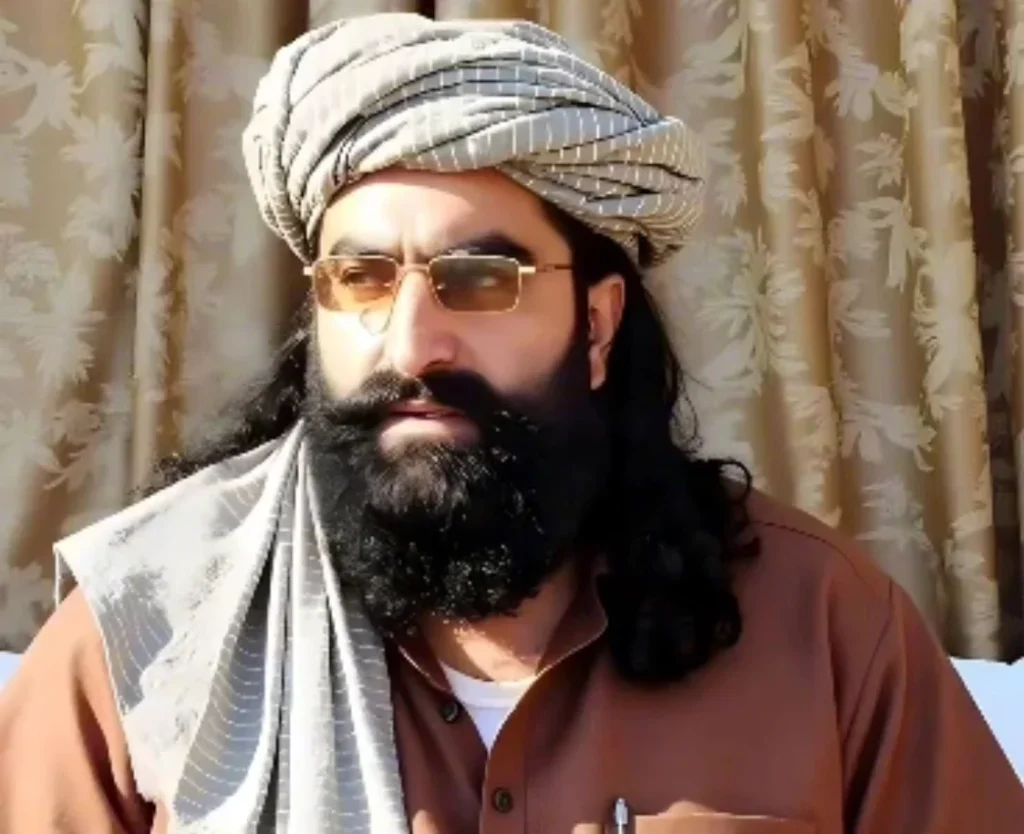
Students and faculty at Afghan universities face ethnic and linguistic marginalization amid Taliban denial of discrimination.[IC:by AFP]

January 19, 2026

The Taliban’s Ministry of Higher Education has officially denied allegations of ethnic and linguistic discrimination in Afghan universities. However, multiple independent sources and eyewitness accounts suggest that students from minority communities, particularly Tajik, Hazara, and Uzbek groups, continue to face systemic marginalization.

Observers note that Persian-language signs and teaching materials have reportedly been removed from several universities, while positions in academic leadership and faculty appointments overwhelmingly favor Pashtun members, leaving minorities underrepresented.

Critics argue that the ministry’s denial contradicts on-the-ground realities, reflecting a broader effort by the Taliban to maintain a facade of inclusivity while enforcing rigid control over education and cultural expression. “Denying discrimination does not erase it,” one educator commented, emphasizing the growing concern over social exclusion and the long-term damage to Afghanistan’s academic integrity.

The ongoing tensions highlight the widening gap between Taliban governance narratives and actual practices, raising questions about the group’s commitment to equal access to education and protection of minority rights in the country.

Read more: Religious Scholar Waliullah Labib Condemns Taliban’s Removal of Students’ Neckties in Herat Graduation Ceremony

Related Articles

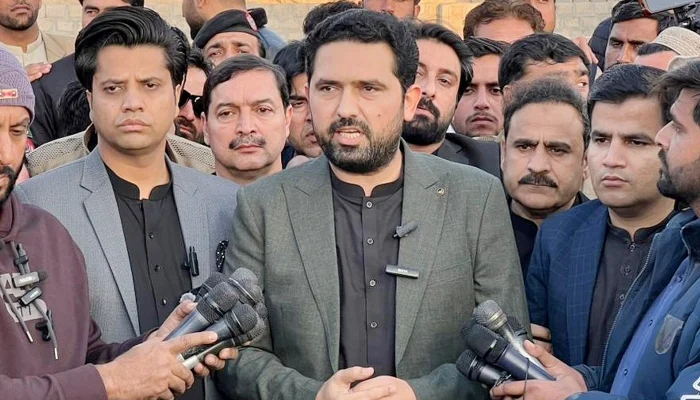
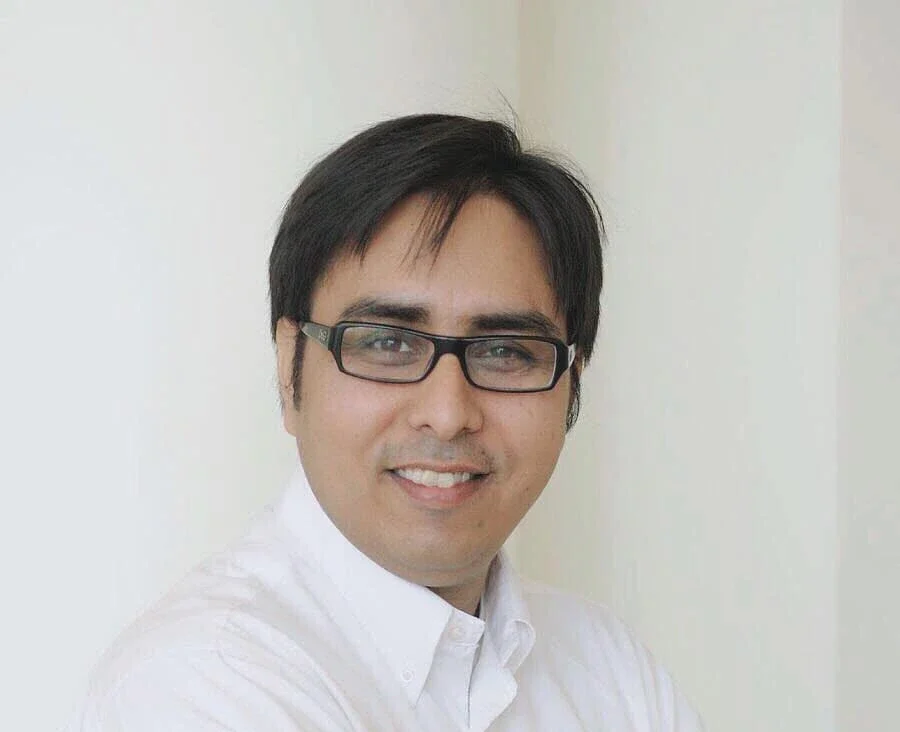
In a recent video of Shahbaz Gill, he is being accused of promoting the Indian narrative by falsely citing a British newspaper for the sake of dollars and views.
A special rap track going viral on social media has exposed Fitna al-Kharij leader Noor Wali Mehsud and his RAW-funded terror network.
The anti-Pakistan narrative of the Indian representative at the UN has exposed the New Delhi-Kabul Nexus where terrorism originating from Afghan soil is being ignored.
Dawn, BBC, CNN and Al Jazeera covered the same Iran-US conflict and produced entirely different realities. A critical look at how headline language, verb choices and editorial silences reveal whose violence gets named and whose gets naturalized in international conflict journalism.

Post a comment

Leave a Reply

Your email address will not be published. Required fields are marked *