
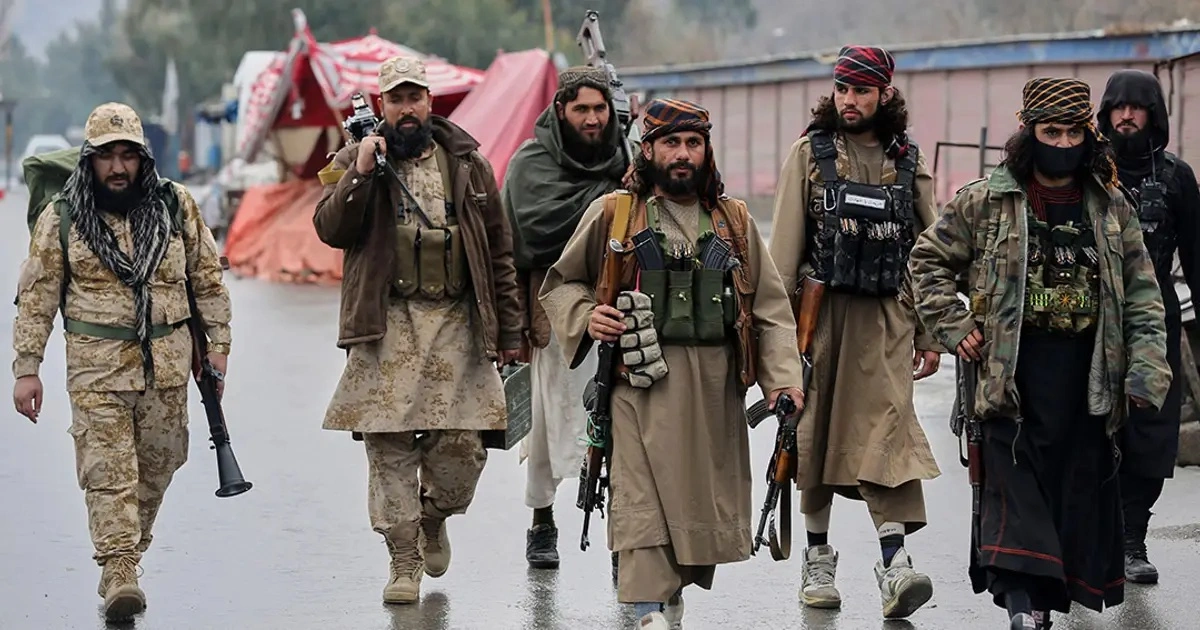
Afghanistan is facing growing scrutiny as a source of regional instability, with repeated cross-border infiltration, terrorist activity, and armed incursions threatening neighboring countries. Recent incidents along the Afghanistan–Tajikistan border have prompted the Russia-led Collective Security Treaty Organization (CSTO) to announce plans to equip Tajik border forces with advanced weapons and tools to fend off attacks originating from Afghan territory.
Security analysts warn that Afghanistan is increasingly functioning as a staging ground for organized terrorist operations. In late November 2025, a drone attack launched from Badakhshan province targeted a Chinese facility in Tajikistan, killing three Chinese nationals. Just days later, another cross-border attack killed two workers from the China Road and Bridge Corporation, leaving a total of five dead and five injured within four days. In January 2026, Afghan-origin terrorists were neutralized after an armed clash with Tajik forces, with weapons, logistical supplies, and equipment recovered, confirming organized infiltration networks. Armed smugglers crossing from Afghanistan were also intercepted, further highlighting the risks emanating from the region.
According to the UN Analytical Support and Sanctions Monitoring Team’s 16th report, more than 20 international and regional terrorist organizations—including TTP, ISIL-K, Al-Qaeda, AQIS, IMU, ETIM/TIP, and Jamaat Ansarullah—are operating from Afghan territory. Over 13,000 foreign fighters remain active, posing direct threats not only to Pakistan, Iran, and Central Asian states but also to Chinese nationals, regional connectivity projects, and strategic infrastructure.
Experts say the Taliban’s policies have created a permissive environment for extremist groups. Rapid expansion of madrassas under Taliban patronage is exporting radical ideologies, while systemic repression of women and exclusion from education, work, and public life exacerbate poverty and social grievances, providing fertile ground for recruitment by terrorist networks.
Afghanistan’s inability—or unwillingness—to dismantle terrorist infrastructure means that insecurity, including terrorism, arms smuggling, drug trafficking, and extremist indoctrination, continues to spill across borders. Analysts emphasize that regional trade routes, energy corridors, and connectivity projects are at increasing risk, affecting not only South and Central Asia but also the broader international community.
Security experts stress that engagement with the Taliban must be conditional, verifiable, and linked to dismantling terrorist networks. They call for a joint regional strategy based on intelligence sharing, border coordination, financial tracking, and unified diplomatic pressure to mitigate threats. Without accountability, normalization could inadvertently legitimize a regime that enables terrorism.
Afghanistan, experts conclude, can no longer be treated as an isolated problem; it must be recognized as a hub of international terrorism with regional and global consequences.











