
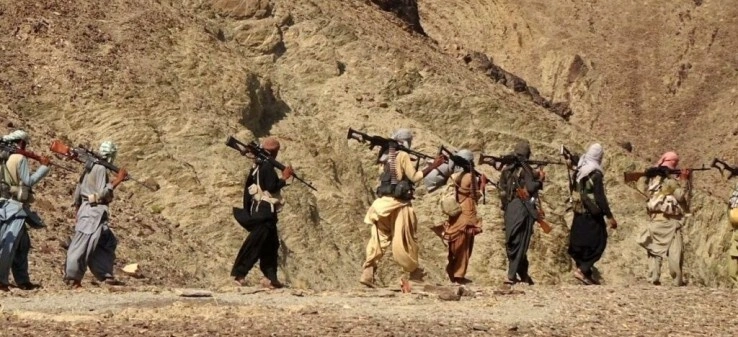
Militant groups such as Tehrik-i-Taliban Pakistan (TTP) and the Balochistan Liberation Army (BLA) have increasingly targeted local civilians in Khyber Pakhtunkhwa and Balochistan, not at random, but as part of a deliberate strategy to silence communities and weaken state presence.
Security analysts explain that local support and real-time ground information are among the state’s most effective tools against terrorism. When influential village figures, members of peace committees, tribal elders, or local helpers of police and Levies share information, it exposes terrorist movements, hideouts, facilitators, and financial networks. This flow of intelligence directly threatens militant operations.
To counter this, terrorist groups deliberately label such individuals as “informers” or “spies” and target them through killings and intimidation. The aim is to instill fear within communities, silence potential whistleblowers, and disrupt the flow of information to the authorities. By doing so, militants attempt to isolate entire regions and operate without resistance.
This tactic is not new. In the past, tribal elders and community-led militias in former tribal areas were repeatedly targeted for the same reason—to dismantle organized public resistance and erode trust between the population and the state. Eliminating local leadership was intended to weaken collective resolve and create spaces where militants could operate freely.
Experts warn that this strategy is effectively an attempt to hold communities hostage through fear. They emphasize that the only sustainable response lies in public unity, protection of local leadership, and openly rejecting terrorist narratives. Strengthening trust between communities and the state, they say, is essential to preventing militants from exploiting fear and silence.
Ultimately, the struggle against terrorism in these regions is not only a military challenge but also a fight to protect civilians who choose peace over intimidation and cooperation over fear.











