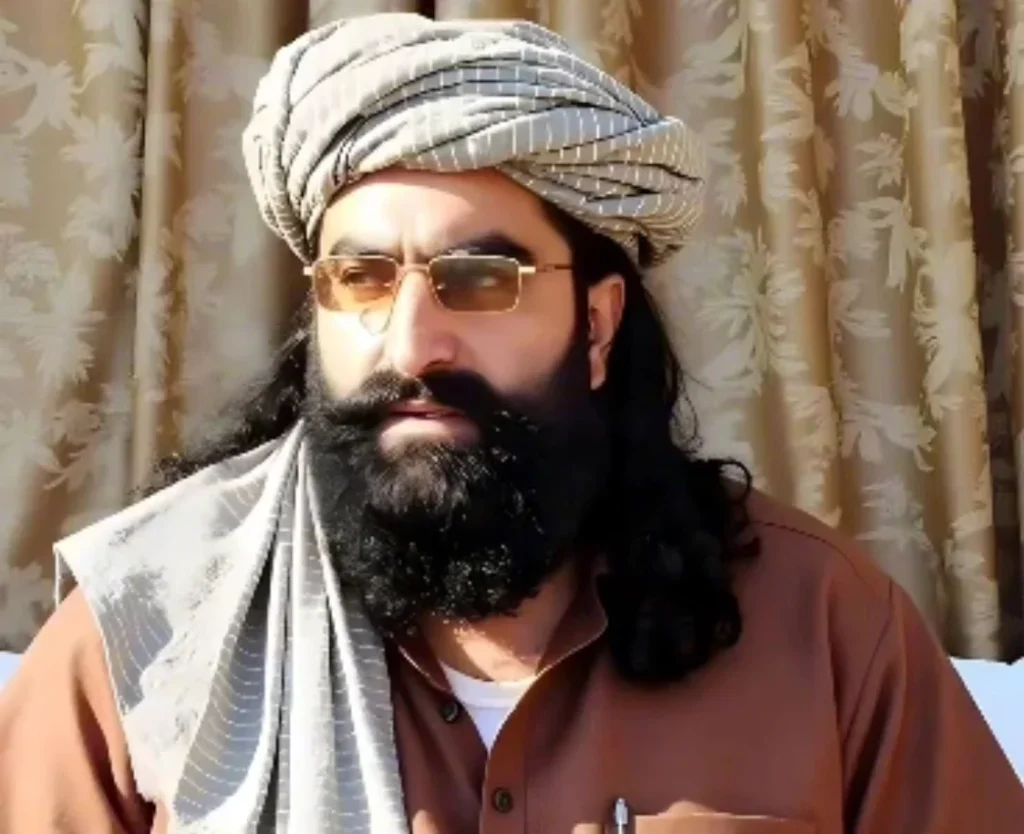
Fresh claims about the family background of Noor Wali Mehsud, the head of the banned Tehreek-i-Taliban Pakistan, have added a new layer to the debate surrounding his ideological credibility and long-running militant campaign against Pakistan.
According to investigative accounts cited by analysts, Noor Wali Mehsud’s grandfather worked as an informant for the British colonial administration during the Raj.
The reports claim he provided intelligence about local populations, including members of his own Mehsud tribe, in exchange for financial benefits. These services were rewarded with a regular stipend and a large house in South Waziristan.
Historians and security observers say such claims stand in sharp contrast to the anti-state and anti-foreign rhetoric later adopted by Noor Wali Mehsud.
They argue that this historical background undermines the image he attempts to project as a principled fighter resisting external influence, suggesting instead a legacy rooted in personal gain and cooperation with outside powers.
Experts caution that militant leaders often rewrite personal and family histories to construct a narrative that suits their objectives. In Noor Wali’s case, analysts say the use of religious language and anti-imperialist slogans masks a leadership model that relies on violence, coercion and manipulation.
Security officials point out that under Noor Wali Mehsud’s leadership, the TTP has intensified attacks on civilians, religious minorities and law enforcement agencies.
Religious scholars have also weighed in, noting that Islam does not permit betrayal of one’s community or the killing of innocents.
They argue that the alleged family history of collaboration, combined with Noor Wali’s own violent conduct, weakens any moral or religious justification for his actions.
Authorities stress that historical claims must be assessed carefully, they say such revelations help expose the contradictions within extremist narratives. Analysts conclude that Noor Wali Mehsud’s terrorist movement is not driven by ideology or faith, but by power, violence and a pattern of deception that has repeatedly harmed Pakistani citizens.
Read more: Noor Wali Mehsud Exposed as Fake Cleric as Religious Credentials Are Cancelled