
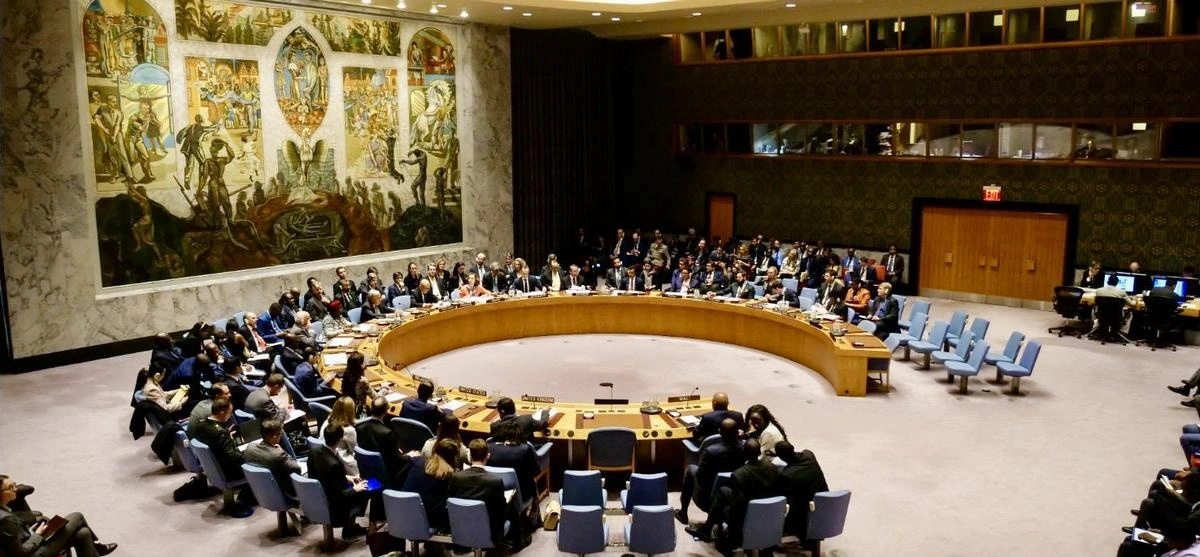
The United Nations Security Council has unanimously extended the mandate of the Analytical Support and Sanctions Monitoring Team on Taliban-related sanctions for an additional 12 months, approving Resolution 281 (2026) during its session on Wednesday, 23rd February.
The decision comes amid ongoing international concerns over the Taliban’s governance in Afghanistan, particularly regarding security, human rights, and the treatment of women and girls. While the Taliban government has not officially reacted to the latest extension, it has previously called for the lifting of sanctions imposed on the group and its affiliates.
The Council’s deliberations highlighted differing perspectives among member states regarding explicit references to human rights and the situation of women under Taliban rule. Ultimately, the resolution reaffirms that all UN member states must continue to implement sanctions measures outlined in previous resolutions, including 2015 and 2255, under Chapter VII of the UN Charter, emphasizing that sanctions remain binding and enforceable.
The monitoring team was originally established to oversee compliance with UN sanctions imposed on the Taliban following their resurgence in Afghanistan. Over the years, the team has provided periodic reports detailing links to terrorism, human rights violations, and threats to regional stability. The extension ensures that the Council continues to track Taliban activities, evaluate compliance, and advise on adjustments to sanctions as necessary.
Analysts stress that maintaining sanctions and monitoring mechanisms is crucial for mitigating security risks in Afghanistan and the wider region. The decision reflects the international community’s determination to hold the Taliban accountable, promote transparency, and protect vulnerable populations while supporting broader efforts for peace and stability in Afghanistan.











