
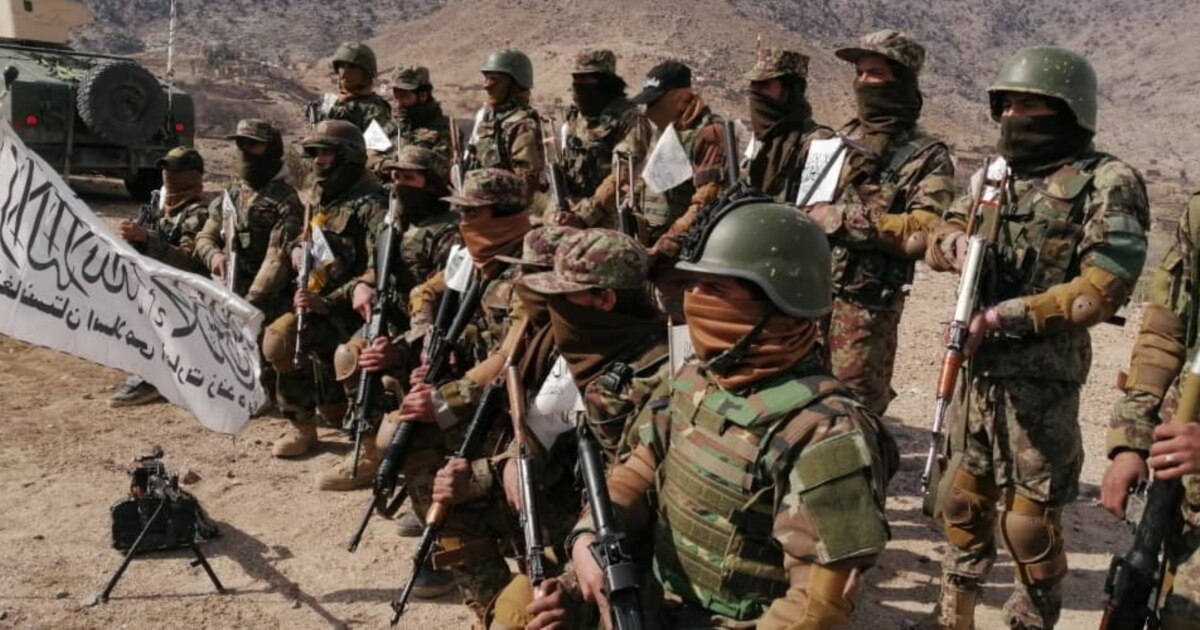
Afghanistan has announced the deployment of special military units in its northeastern province of Badakhshan to protect Chinese citizens working in the area. The move, carried out under the Ministry of Defense, involves around 1,150 personnel. While officials present this as a security measure, critics see it as another sign of the government prioritizing foreign interests amid ongoing internal challenges.
Badakhshan has drawn attention in recent months due to Chinese linked development and investment activities. However, the province has long faced security concerns, difficult terrain, and limited state control in remote areas. Despite these realities, the Afghan authorities have chosen to assign a large, dedicated force to protect foreign nationals, raising questions about where government priorities truly lie.
Security for Foreign Nationals, Questions for Locals
According to official statements, the deployed forces have a narrow mandate. Their main task is to ensure the safety of Chinese citizens and safeguard project-related sites. They are not assigned broader security duties for local communities, many of which continue to face daily safety and economic concerns.
In this context, analysts argue that the move reflects selective security planning. While the government claims the deployment is preventive, critics note that similar levels of protection are rarely extended to ordinary Afghans. As a result, the decision has fueled concerns that security resources are being directed toward protecting foreign partners rather than addressing widespread local needs.
Moreover, although authorities say the forces will operate under strict command and regular review, past experience has shown limited transparency around such deployments. Local residents remain uncertain about how long the units will stay and what impact their presence may have on everyday life.
Cooperation With China Comes at a Cost
The deployment also highlights Afghanistan’s growing dependence on China for economic engagement. Protecting Chinese nationals is being framed as essential for maintaining agreements and attracting investment. However, critics warn that this approach risks deepening public resentment if foreign projects advance while local conditions remain unchanged.
At the same time, security alone does not guarantee stability. Without broader political inclusion, economic relief, and public trust, development efforts may struggle to deliver real benefits. Observers stress that prioritizing foreign interests without addressing domestic concerns could further weaken confidence in state institutions.
For now, the government insists the deployment is necessary. Still, how it balances foreign commitments with the needs of its own people will remain under scrutiny as the situation unfolds.











