
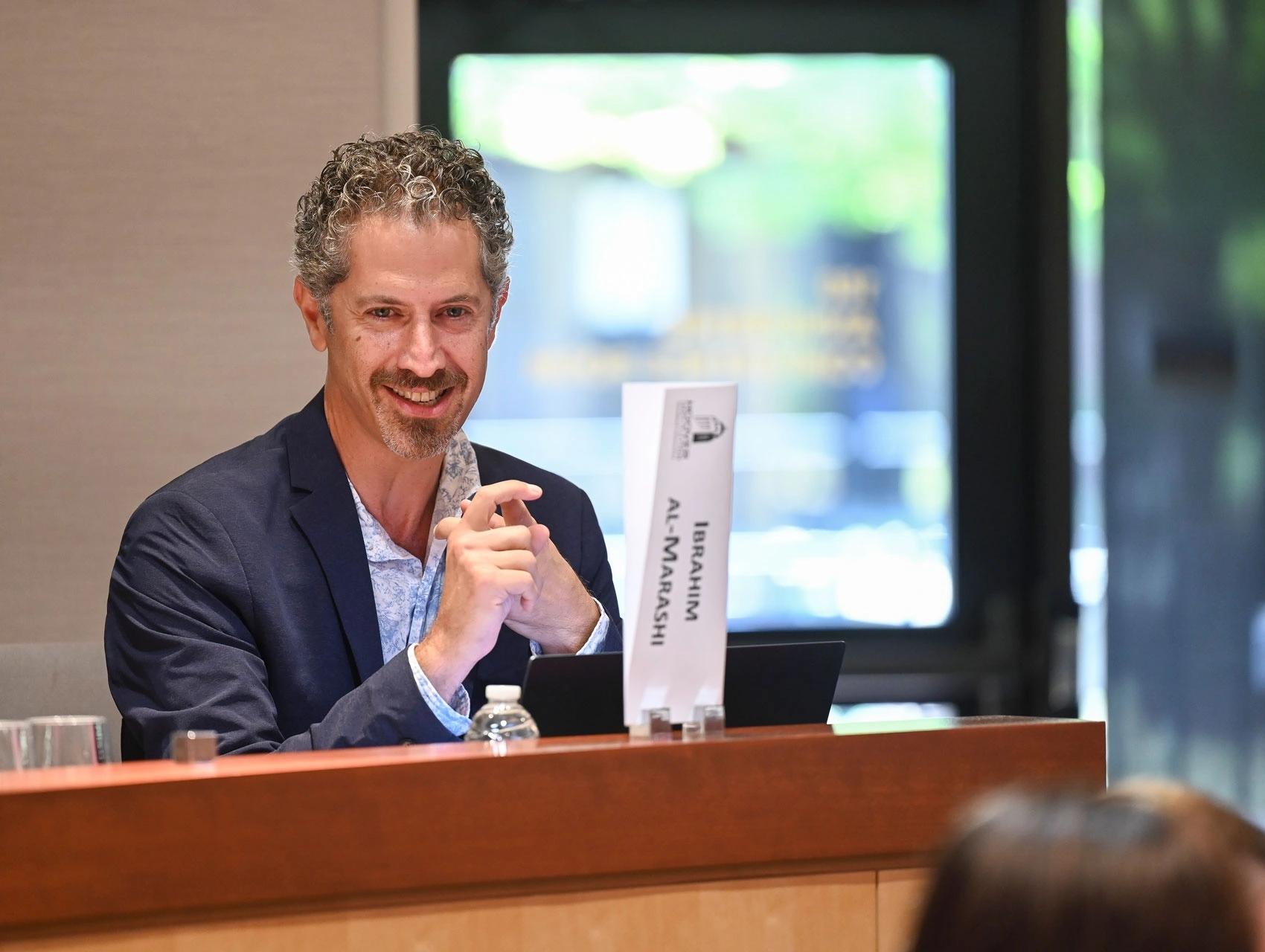
San Marcos, CA – Dr. Ibrahim Al-Marashi, Associate Professor at California State University San Marcos, highlighted serious concerns over Afghanistan’s governance and regional security during an appearance on Asia One with Tom Philpot on February 23, 2026.
Dr. Al-Marashi emphasized that the Taliban regime remains ethnically narrow and exclusionary, concentrating power within the Ghilzai Pashtun group while sidelining Tajiks, Hazaras, Uzbeks, and Turkmens. This lack of inclusivity, he argued, continues to fuel internal resistance, undermine regional trust, and exacerbate instability across Afghanistan.
“The Taliban’s narrow monopoly over power has long-term consequences,” Dr. Al-Marashi said. “Marginalized communities remain politically isolated, and this exclusion threatens the legitimacy of Kabul’s government while giving space for extremist networks to operate.”
According to Dr. Al-Marashi, Afghanistan’s historical ethnic conflicts, particularly in the Panjshir Valley with forces led by Ahmad Shah Massoud, allowed groups like Al-Qaeda to expand in the 1990s. Today, the Taliban struggle to fully control Islamic State – Khorasan Province (ISKP) and Tehrik-i-Taliban Pakistan (TTP), creating ongoing security threats not only within Afghanistan but across the region.
He noted that neighboring states, despite sharing cross-border ethnic ties, prioritize stability over ethnic solidarity, reflecting the regional consequences of Kabul’s exclusionary governance. Pakistan, in particular, faces justified security concerns amid the unchecked presence of militant groups along the Afghan border.
Dr. Al-Marashi stressed that long-term stability in Afghanistan depends on building inclusive governance structures rather than maintaining a force-driven, ethnically narrow regime. “Unless Tajiks, Hazaras, Uzbeks, and Turkmens are meaningfully included in political processes, instability will persist, and regional security risks will grow,” he said.
His remarks were accompanied by Urdu and English tickers emphasizing key points:
• Taliban’s ethnic monopoly fuels long-term instability.
• Tajiks, Hazaras, and Uzbeks remain politically sidelined.
• Militant groups inside Afghanistan threaten regional peace.
• Pakistan faces growing cross-border security risks.
• Neighbors prefer stability over ethnic alignment.
• Narrow power base weakens Kabul’s legitimacy.
Dr. Al-Marashi concluded that while Pakistan seeks stability, Afghanistan’s current governance model remains rigid, ideologically driven, and exclusionary, highlighting the urgent need for regional cooperation and inclusive political reform.
Read more :Taliban Ruled Afghanistan a Growing Threat to Regional Security, Moscow Warns











