
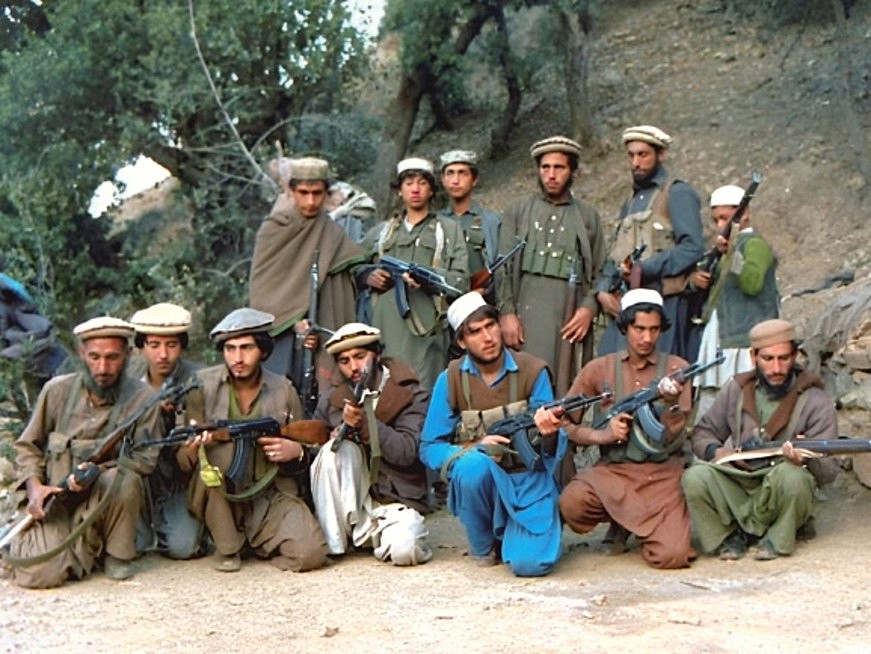
A recent virtual meeting between Pakistani and Uzbek officials highlighted the growing security challenges faced by Afghanistan’s neighbors. Reports suggest that more than 2,500 Uzbek militants are currently based in Afghanistan, making them possibly the second-largest group after Tehrik-i-Taliban Pakistan (TTP), which is estimated to have 5,000–7,000 fighters. International assessments, including Russian and UN reporting, indicate that between 20,000 and 23,000 militants are now operating inside Afghanistan. This scale of presence confirms that Afghanistan has become a shared space for multiple transnational terrorist groups, not just one.
From Bilateral to Regional Threat
Since 2021, Pakistan has witnessed a sharp rise in terrorist attacks, many traced back across the Afghan border. What stands out is that these groups do not appear to pose a serious threat to the ruling authorities inside Afghanistan, yet they remain active against neighboring states. This imbalance raises legitimate concerns about the alignment of Taliban elements with anti-Pakistan networks. When Pakistani, Uzbek, Central Asian, and other groups operate in the same environment, the threat is no longer bilateral—it becomes regional by default. Therefore, coordination among Afghanistan’s neighbors is not about rhetoric but about acknowledging a shared security reality.
Attacks have increased significantly
The concern is no longer hypothetical. Documented patterns show that cross-border attacks have increased significantly since 2021, with many linked to Afghan soil. The presence of thousands of militants, including TTP and Uzbek fighters, underscores that Afghanistan is serving as a permissive environment for multiple terrorist networks. Stability along the western border cannot be achieved through statements alone; it will depend on whether the operational space these groups enjoy is effectively addressed. Without concrete action, the region risks facing a structural security threat that undermines peace and stability for all neighboring states.
Read More: Violation of Diplomatic Norms: Afghan Interior Minister Sirajuddin Haqqani Threatens Pakistan











