
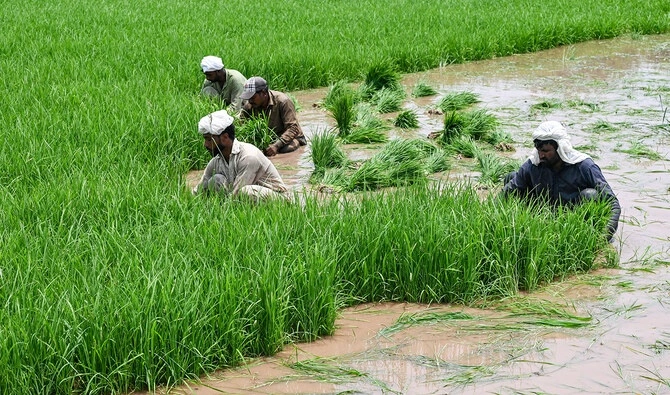
Khyber Pakhtunkhwa, Pakistan – A new rice variety, Naeem 2023, is rapidly gaining recognition among farmers across the cooler rice-growing regions of Khyber Pakhtunkhwa, which account for nearly 70% of the province’s rice belt. Developed through a strategic cross between the locally cherished JP-5 (Begamai) and Japan’s premium cultivar Koshihikari, Naeem 2023 combines superior grain quality, high yield potential, and remarkable adaptability to low-input farming conditions.
Blending Local Heritage with International Excellence
JP-5 (Begamai) has long been celebrated in the Swat Valley and adjoining districts for its unique taste, aroma, and cooking quality. In contrast, Koshihikari enjoys international acclaim as Japan’s most renowned japonica rice, known for its soft, sticky texture and exquisite flavor. By combining these two elite genetic sources, plant breeders working under the Temperate Rice Research Programme at ARI Mingora Swat have developed Naeem 2023, a japonica rice that retains the rich taste of Begamai while incorporating the refined grain and cooking characteristics of Koshihikari.
Superior Grain and Cooking Quality
Naeem 2023 is characterized by its short, bold grains—typical of premium japonica rice. These grains exhibit excellent milling recovery and cook into a soft, cohesive texture that is highly preferred by consumers in colder regions. Early harvest observations indicate that both the grain quality and yield of Naeem 2023 surpass well-established local varieties. Its balanced starch composition enhances palatability, making it suitable for both traditional and modern culinary uses.
Adaptability to Low-Fertility Soils
Beyond quality, Naeem 2023 demonstrates strong agronomic performance:
• Thrives in soils with comparatively low fertility
• Performs well with reduced nitrogen fertilizer input
• Maintains grain quality under moderate input conditions
In an era of rising fertilizer costs, this ability to deliver optimal yields with lower inputs provides a significant economic advantage to farmers.
High Yield Potential
When managed properly—with timely transplanting, balanced fertilization, and effective pest control—Naeem 2023 can produce 60 to 70 maunds per acre, an exceptional yield for japonica rice grown in cold climatic pockets. Combined with its premium grain quality, this yield positions Naeem 2023 as a productivity-enhancing and income-boosting option for farmers.
Growing Demand in Malakand Region
Demand for Naeem 2023 seed is increasing in Maidan, Jandul, Munda, and Summerbagh in District Dir, as well as in the extensive paddy belt of Batkhela in District Malakand. Farmers are actively seeking high-quality seed for the upcoming planting seasons. Early adopters have expressed confidence in the variety’s performance and market potential. Market experts anticipate that once Naeem 2023 rice is widely available, its market value may surpass established varieties such as Swatai 2014 and Fakhre Malakand.
Ideal for Cold-Climatic Pockets
As a japonica rice, Naeem 2023 is particularly suited to the cooler regions of Khyber Pakhtunkhwa, where short and bold grain types thrive. Its adaptability makes it a strategic choice for rice diversification in upland and temperate zones.
A Step Toward Sustainable Rice Farming
Naeem 2023 represents more than a new cultivar—it reflects a forward-looking approach to rice improvement by combining local adaptability with international quality standards. It reduces dependency on high nitrogen inputs, enhances farmer profitability through premium grain quality, and strengthens cold-climate rice production systems.
If current trends continue, Naeem 2023 may soon become a signature cultivar of Swat and surrounding districts, carrying forward the legacy of both Begamai and Koshihikari while setting a refined benchmark for the future of japonica rice in the region. With increasing farmer interest and promising field results, Naeem 2023 appears poised to redefine the rice landscape of Khyber Pakhtunkhwa.











