
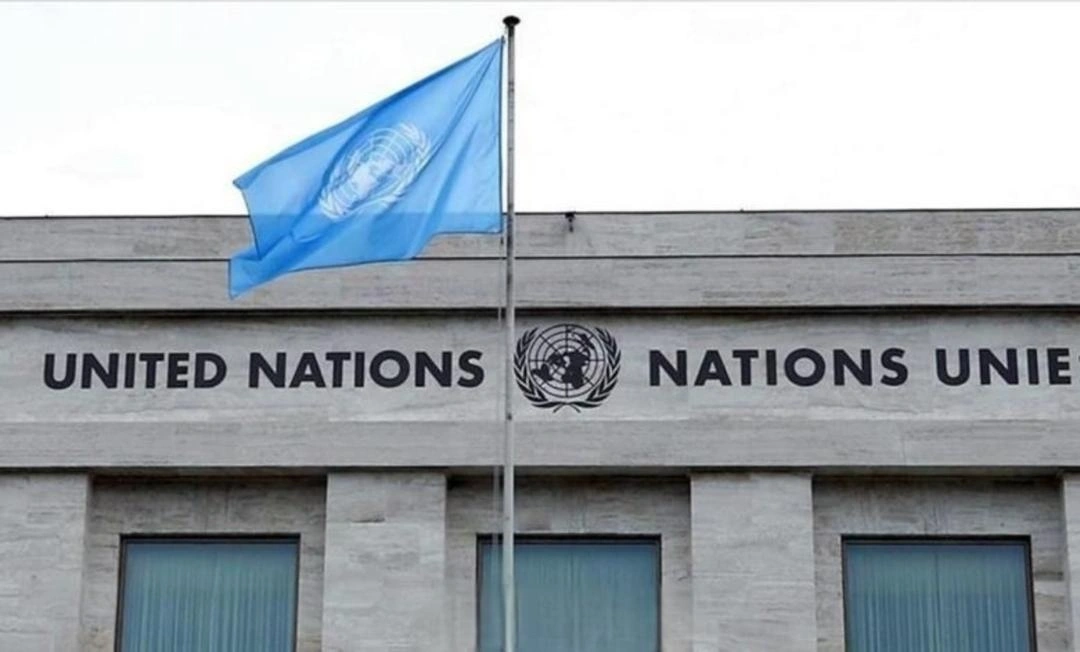
A growing debate has emerged over casualty figures reported after Pakistan’s recent cross-border counterterror operations, with some analysts and security observers questioning the accuracy and sources of the numbers circulated by the United Nations Assistance Mission in Afghanistan.
Critics argue that many of the women and children cited in the casualty reports may be family members of militants who were allegedly placed within residential compounds used as operational hideouts. According to these observers, such tactics complicate counterterror operations and are sometimes used to create powerful propaganda narratives after strikes occur.
Update on civilian casualties in #Afghanistan. pic.twitter.com/rIdh6m5hBu
— UNAMA News (@UNAMAnews) March 6, 2026
Several analysts also claim that the casualty statistics being referenced by UNAMA may rely heavily on information originating from sources linked to the Taliban administration. Without independent verification or detailed methodological transparency, critics say the numbers risk presenting an incomplete picture of the situation on the ground, particularly in areas where militant infrastructure may be embedded within populated zones.
From Islamabad’s perspective, officials maintain that the strikes were directed at militant positions and infrastructure associated with cross-border attacks against Pakistan. Security officials say the operations were based on intelligence identifying locations used by armed groups responsible for repeated assaults along the border.
Analysts supporting Pakistan’s position argue that the escalation began after armed elements operating from Afghan territory launched attacks on Pakistani positions. They contend that the presence of militant networks and safe havens within civilian areas significantly increases the risk to local populations and complicates military responses.
The controversy has also led to broader calls for transparency in casualty reporting. Observers note that for international monitoring missions such as UNAMA, credibility depends on clear methodologies, verifiable evidence, and independent corroboration of claims.
As tensions continue along the Pakistan–Afghanistan border, analysts warn that competing narratives over civilian harm and militant activity could further complicate diplomatic efforts and public understanding of events on the ground.
Read more :UNAMA Faces Criticism for Echoing Taliban Narrative, Ignoring Militants











