
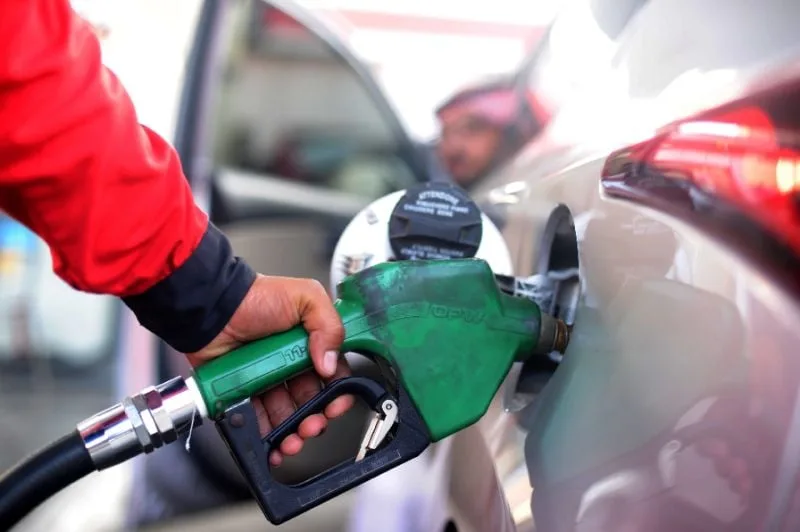
The government has decided to limit the increase in petroleum prices to protect the public from the full impact of rising global oil prices. Global petrol prices have surged from $78 per barrel to $106.8, while diesel has jumped from $88 to nearly $150 per barrel.
Officials said that if the full effect of these global price surges were passed onto consumers, fuel prices in Pakistan could have risen by nearly PKR 110 per liter. Following Prime Minister Shehbaz Sharif’s directive, the increase has been restricted to PKR 55 per liter.
Understanding How Fuel Prices Are Set
Advisor to the Finance Minister, Khurram Shehzad, clarified that petroleum prices in Pakistan are determined based on multiple factors. These include global crude oil and refined product prices, import costs, exchange rates, and applicable taxes. Many people are often confused about how existing inventory affects pricing, but this method ensures that price adjustments reflect real global trends rather than arbitrary changes.
How Oil/Petroleum Prices Are Determined
— Khurram Schehzad (@kschehzad) March 7, 2026
Some segments of the society have raised questions about how petroleum prices can be adjusted across the entire inventory or reserves.
At the same time, others have used the issue to fuel sensational narratives without fully…
Government data shows that Pakistan consumes roughly 76 million liters of petroleum products daily. By limiting the price hike, the government is absorbing an extra financial burden of about PKR 4.19 billion per day. This approach balances protecting consumers while keeping the energy sector stable.
Supply, Oversight, and Anti-Hoarding Measures
Authorities have confirmed that petroleum supply remains normal nationwide. Petrol pumps are operating, reserves are sufficient, and the supply chain is stable. The Prime Minister has also instructed strict action against hoarding or artificially creating shortages. Relevant agencies have been asked to submit a practical plan within 48 hours to manage energy use efficiently through conservation and economic discipline.
This decision highlights the government’s effort to shield citizens from sudden global price shocks while maintaining transparency in the fuel pricing system. Officials continue to emphasize that understanding how prices are set can reduce misconceptions and ensure public confidence in energy policies.











