
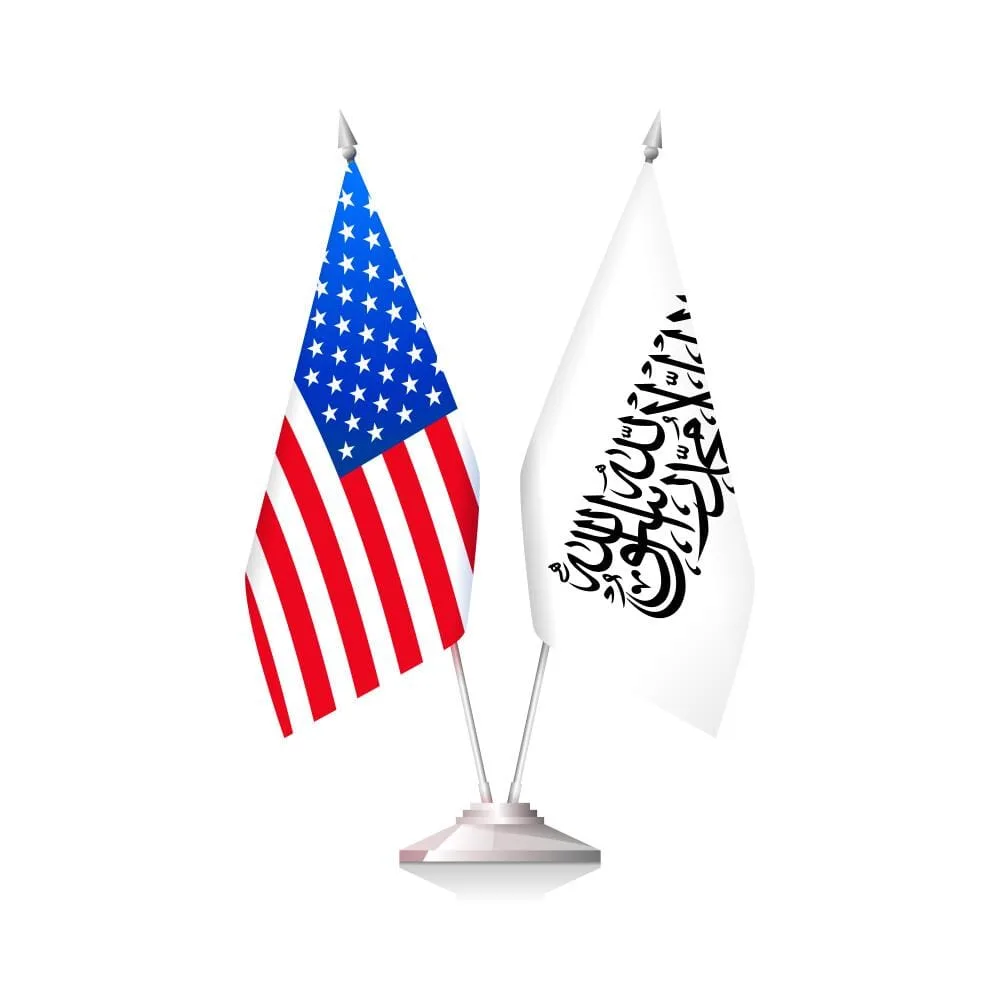
The U.S. is considering taking strong action against Afghanistan over its detention of American citizens. Secretary of State Marco Rubio is weighing a designation that could officially censure Kabul and potentially restrict U.S. passport holders from traveling to the country.
This move would follow a recent decision by Rubio to label Iran as a state sponsor of wrongful detention. Afghanistan could become the second country to face such a designation, which targets governments that detain Americans to gain leverage over the United States.
Detained Americans and U.S. Demands
Washington is demanding the release of all U.S. citizens currently held in Afghanistan. Among those listed are Mahmood Habibi, former head of Afghanistan’s civil aviation, and Dennis Coyle. The U.S. is also seeking the return of Paul Overby’s remains, an author last seen near Afghanistan’s border with Pakistan in 2014.
Today, I am designating Afghanistan as a State Sponsor of Wrongful Detention. The Taliban continue to use terrorist tactics to seek policy concessions, but it won’t work under this administration. The Taliban must release Dennis Coyle, Mahmood Habibi, and all Americans unjustly…
— Secretary Marco Rubio (@SecRubio) March 9, 2026
The Taliban government has previously denied holding Habibi. However, the U.S. sees these detentions as part of a troubling pattern. Rubio said governments that treat Americans as bargaining chips must be held accountable. “They view Americans as a commodity that they can grab and trade in the future. That cycle has to stop,” he said.
Potential Impact of U.S. Action
If Afghanistan receives the designation, U.S. citizens may face travel restrictions similar to those currently applied only to North Korea. The measure would signal strong diplomatic pressure on Kabul and reinforce U.S. demands for the immediate release of its citizens.
Officials warn that such steps could have broader implications for U.S.-Afghan relations, possibly affecting aid, cooperation, and travel policies. The State Department and the Taliban have not yet provided comments on the developing situation.
Rubio emphasized that this policy is part of a broader effort to prevent wrongful detention worldwide. He noted that countries in the region and beyond must understand that detaining Americans to extract concessions is unacceptable.
The U.S. continues to monitor the situation closely. Any final decision will balance security, diplomatic, and humanitarian considerations while sending a clear message against the wrongful detention of its citizens.
Read more:Taliban Ruled Afghanistan a Growing Threat to Regional Security, Moscow Warns











