
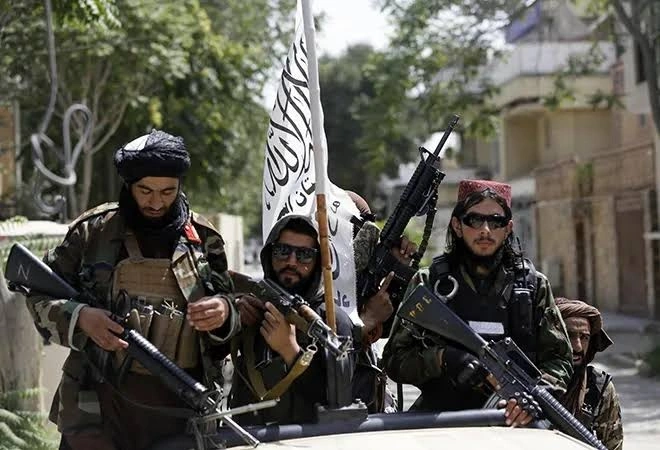
The current security crisis, as well as many previous regional crises, are increasingly being attributed to the policies of the Taliban in Afghanistan. According to analysts, the strategy of sheltering various militant groups and providing them with safe havens has pushed not only Afghanistan but the entire region toward persistent instability.
Experts say the Taliban government has long faced accusations of allowing different extremist organizations to use Afghan territory. Among the groups frequently mentioned are Tehrik-i-Taliban Pakistan, Jaish al-Adl, the Tajik militant group Ansarullah, and the network of Al-Qaeda. Critics argue that the presence of these organizations has turned Afghanistan into a center of regional security disputes.
Analysts further note that for several years Afghan territory has been used as a safe haven for various militant networks, which has contributed to rising tensions across the region. This situation has not only fueled border disputes but has also drawn Afghanistan into the broader geopolitical rivalry between major powers and regional states.
Security observers say the current tensions and recent military developments are also being viewed as a consequence of these policies. According to them, if Afghan territory is not prevented from being used by militant groups, the situation could trigger even larger security crises in the future.











