
A recent case in Boston has triggered a wider debate about how victimhood narratives can sometimes be misused to influence Western asylum and welfare systems. Reports suggesting that crimes such as armed robberies may have been staged to support immigration claims have raised serious concerns among observers and investigators.
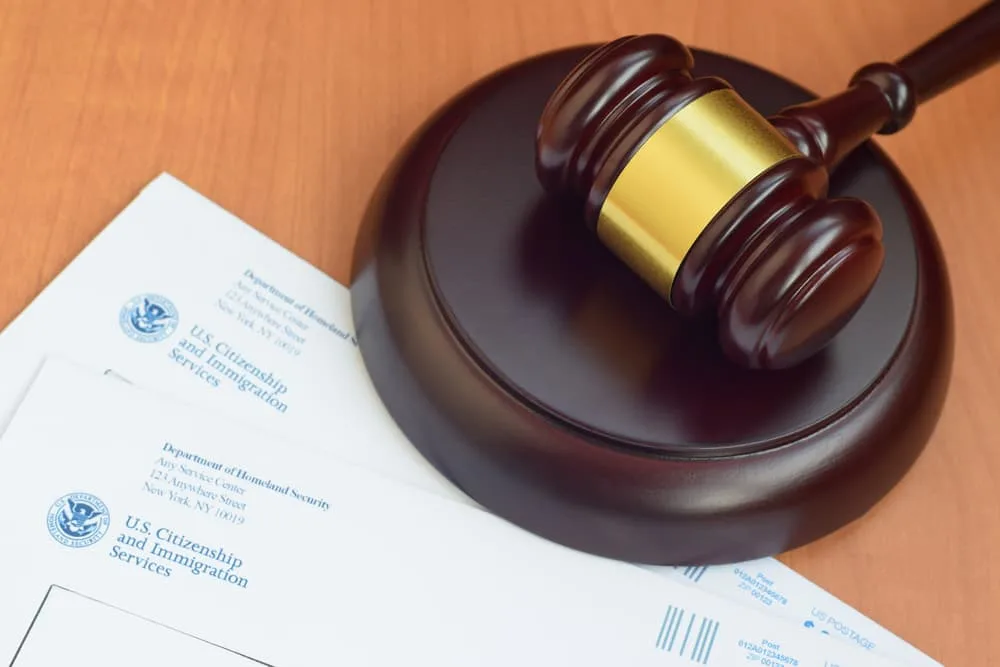
The Boston case involves a visa fraud conspiracy in Boston, Massachusetts, where U.S. authorities charged at least 11 individuals for staging fake armed robberies at small businesses. The scheme was designed so participants could falsely claim to be victims of violent crime to qualify for U‑Visas, a special immigration status for crime victims. Investigators say the incidents were carefully orchestrated, captured on surveillance, and reported with delays to appear authentic. Federal prosecutors warn that those involved could face years in prison, fines, and supervised release, highlighting concerns about misuse of immigration protections and the integrity of systems meant to protect genuine victims.
If such incidents are proven to be fabricated for legal advantage, they highlight a troubling possibility. Victimhood can be manufactured to create sympathy and gain protection under humanitarian systems designed to help genuine victims. As a result, the Boston case has become a reference point for discussions about whether similar tactics might be used elsewhere.
At the same time, the issue has sparked calls for careful and objective investigations. Analysts argue that Western legal systems depend heavily on credible claims of persecution or threat. Therefore, any evidence of staged incidents could undermine trust in the system and weaken the protections designed for people who truly need them.
Calls for Scrutiny in Other High Profile Cases
Following the Boston case, some commentators have suggested that investigators in the United Kingdom should also examine whether certain high profile incidents were genuine or strategically constructed. In particular, cases linked to individuals such as Adil Raja and Shahzad Akbar have been mentioned in discussions about whether narratives of attacks or threats could have played a role in strengthening asylum claims.
Supporters of this view say the issue is not about targeting individuals. Instead, they argue that transparent investigation is necessary to protect the credibility of Western legal and asylum systems. If claims of hate crimes or transnational repression are ever used as part of a staged narrative, it would become a matter of public interest and legal accountability.
Moreover, experts warn that the misuse of victimhood narratives can have serious consequences. It risks damaging public trust and may make it harder for genuine victims to receive protection and support.
For this reason, many believe that truth and accountability must remain central. Investigating such cases carefully can help ensure that humanitarian protections continue to serve their real purpose and are not exploited for personal or legal gain.











