
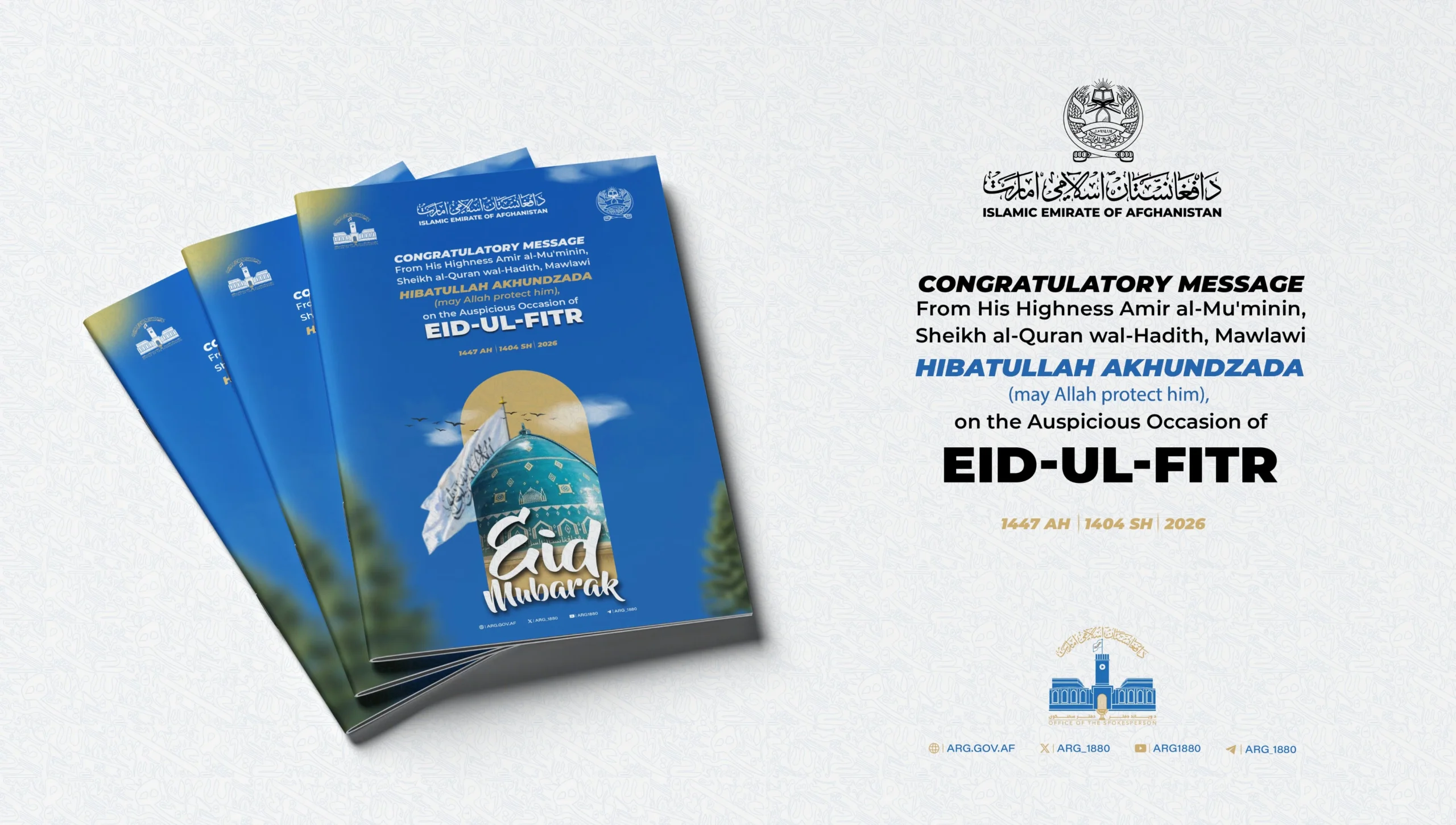
Hibatullah Akhundzada, the reclusive leader of Afghanistan’s Taliban regime, delivered his 2026 Eid message without mentioning Gaza, Palestine, or Israel. The omission has raised serious questions, as he had previously used such speeches to strongly criticise Israeli actions and express support for Palestinians.
In earlier Eid messages, Akhundzada openly condemned Israel, calling its actions in Gaza “barbaric” and urging the Muslim world to stand with Palestinians. In 2025, he described Israeli operations as crimes against humanity and called for global support for Palestinian rights. However, this year’s message avoided any direct reference, offering only vague remarks about suffering Muslims.
This sudden shift has led many observers to question the consistency and credibility of the Taliban’s stance on key international issues.
Notably, Akhundzada’s message also ignored other major developments. There was no mention of tensions involving the United States, Israel, and Iran. The statement also avoided addressing ongoing regional security concerns, including tensions with Pakistan.
In the past, Taliban officials had taken clearer positions. For example, spokesperson Zabihullah Mujahid had earlier suggested support for Iran in case of US action. This time, however, the leadership chose silence.
Critics argue that this selective messaging reflects a lack of transparency and an attempt to avoid taking responsibility on sensitive issues. Instead of showing leadership, the Taliban appears to be retreating from its earlier positions when it suits its interests.
As a result, the 2026 Eid message has sparked debate among analysts and the public. Many see it as a sign that the Taliban is shifting its narrative for political convenience rather than standing by consistent principles.











