Pakistan’s current airstrike strategy in Afghanistan may carry unintended political consequences. Operations that appear indiscriminate or poorly targeted could risk weakening the public support Pakistan currently enjoys among segments of Afghan society, especially among communities that strongly oppose the Taliban and the regime’s ethnocratic extremism.
In recent years, a noticeable degree of pro-Pakistan sentiment has emerged within parts of Afghan society, particularly among non-Pashtun communities. This sentiment is largely spontaneous and leaderless. It is not an organized political movement, nor is it the result of financial support or coordination, as some Pashtun expansionists claim. Rather, it reflects a shift in public perception shaped by political experience and greater access to information.
During the two decades of the Afghan Republic, expanded freedom of speech and widespread access to the internet allowed many Afghans to reassess their political history. People increasingly questioned why Afghanistan repeatedly experiences cycles of instability every decade or two. For many, this reflection led to the conclusion that administrative dysfunction, insecurity, and recurring crises were closely tied to the policies of Pashtun dominated governments in Kabul.
Historically, a significant portion of state energy and resources was directed toward the pursuit of a “Greater Afghanistan,” a political vision intended to increase the Pashtun demographic weight within Afghanistan and consolidate long term control over the central government. Such ambitions were often viewed as attempts to ensure that non Pashtun communities would never gain meaningful political influence.
History also shows that this project was frequently abandoned by Pashtun rulers whenever political or military realities made it unattainable. However, the repeated pursuit of such ambitions, often at the expense of Afghanistan’s stability and peace, encouraged many Afghans to re examine their country’s political trajectory. In that process, some began to develop a more nuanced understanding of Pakistan’s security concerns and regional position.
This emerging sympathy toward Pakistan is not merely an online phenomenon. Many people inside Afghanistan increasingly view Pakistan less as a primary aggressor and more as a state responding to security threats originating from Afghan territory. That perception has contributed to a degree of public understanding for Pakistan’s stance against militant groups operating in Afghanistan.
As a result, some Afghans, particularly those who oppose Taliban rule, view Pakistani strikes on Taliban military depots or equipment as actions that weaken forces responsible for repression inside the country. In such cases, Pakistan’s operations can indirectly align with the interests of communities that seek a reduction in Taliban power.
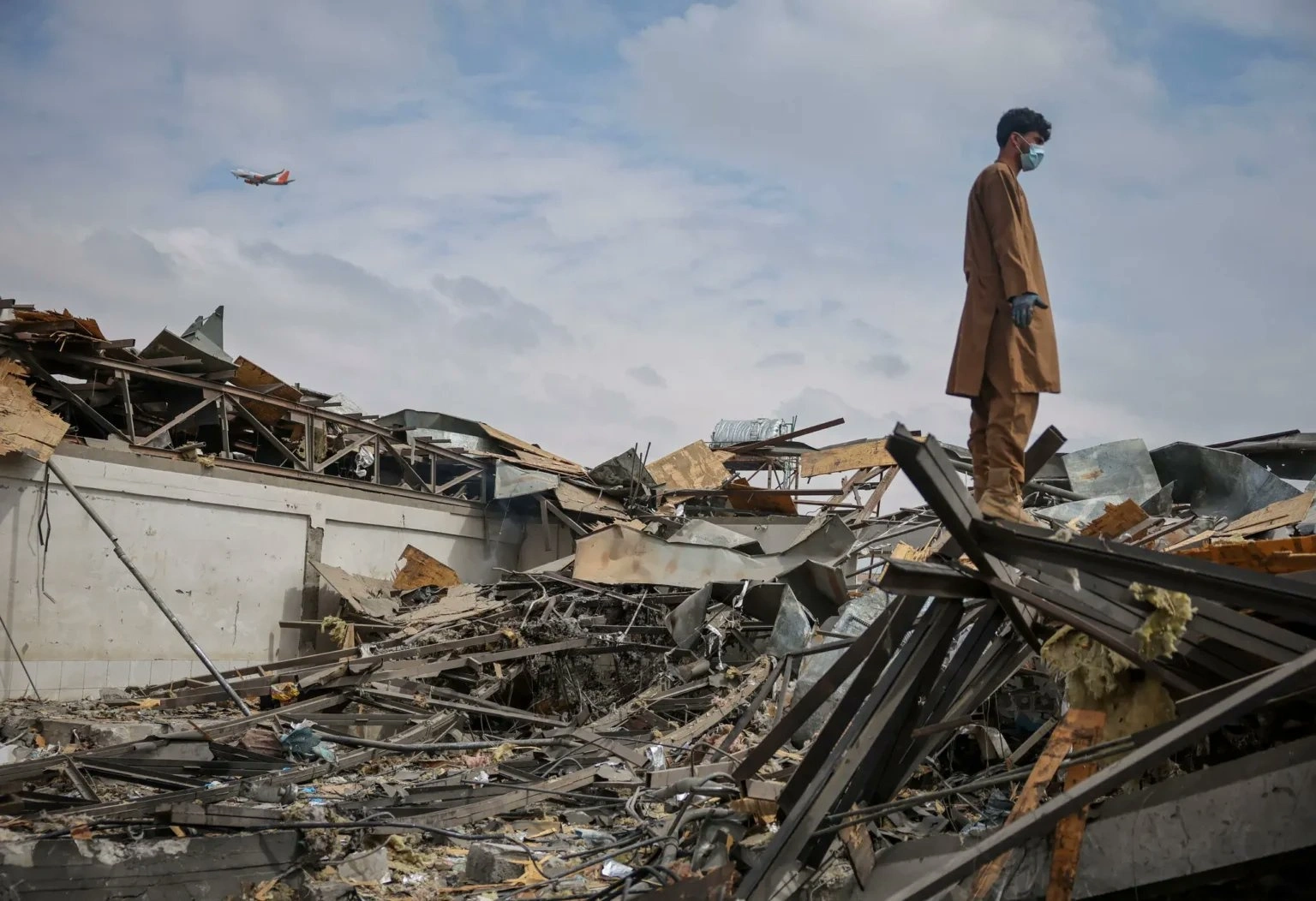
However, strikes that appear indiscriminate or that affect civilian facilities, such as the reported incident involving a rehabilitation center in Kabul, risk undermining this fragile goodwill. When operations lack clearly identifiable military targets, public perception can quickly shift from understanding to resentment.
Many Afghans therefore question why Taliban leadership figures appear able to move freely, attending offices, giving television interviews, and delivering public speeches without fear of airstrikes. From the perspective of many observers, a more focused strategy directed at leadership and command structures would likely be both politically and strategically more effective.
Pakistan could benefit significantly from the existing level of Afghan public sympathy. Preserving that goodwill may require a carefully calibrated strategy that prioritizes precise targeting of Taliban leadership and military infrastructure while minimizing the risk of civilian harm.
Such an approach would not only help maintain public support inside Afghanistan but could also weaken militant networks that operate from Afghan territory against Pakistan itself.