Newsflash:

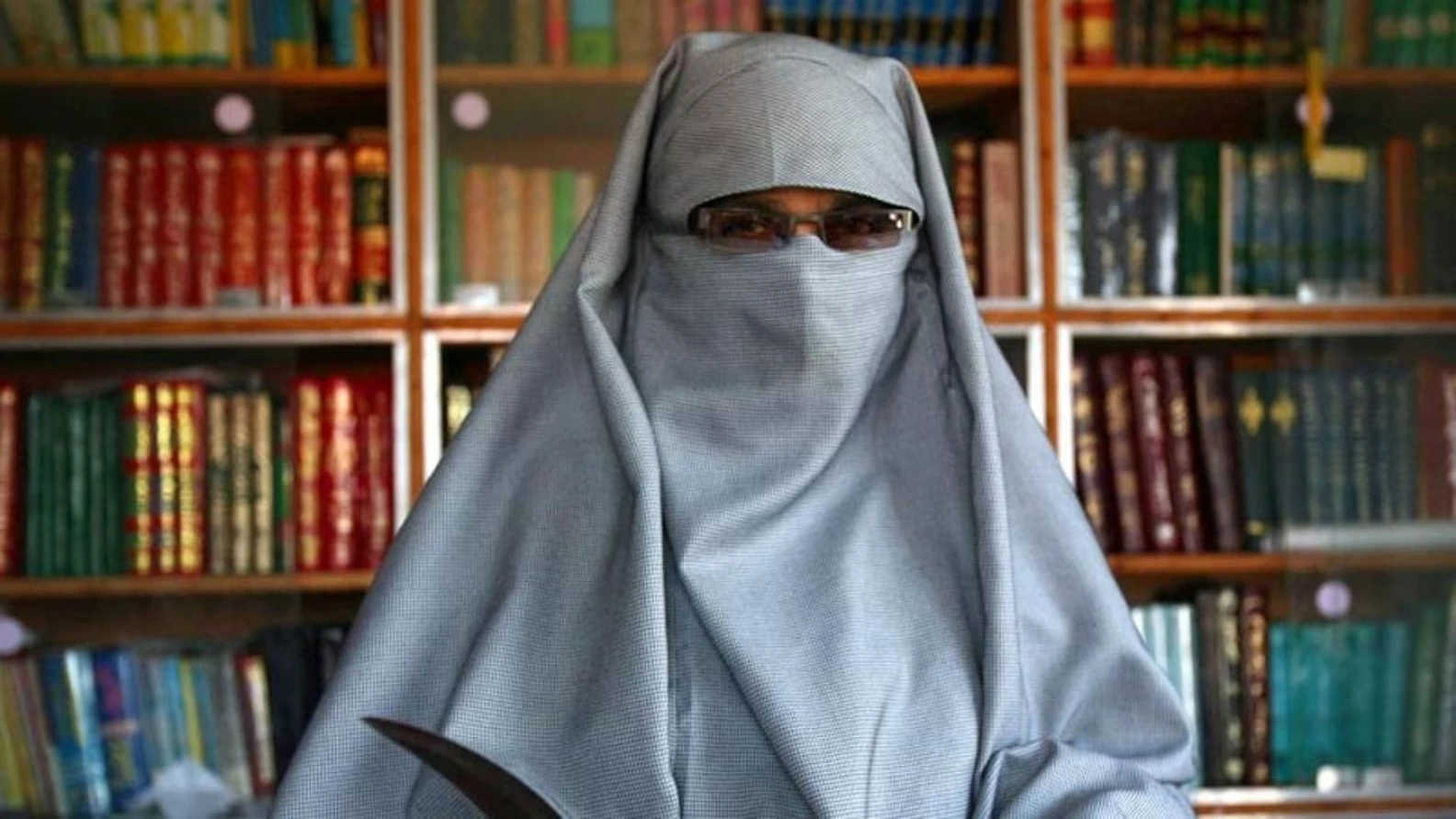
Kashmiri Leader Asiya Andrabi Sentenced to Life in Indian Court

Indian court sentences Kashmiri leader Asiya Andrabi to life, with two associates getting 30-year terms in high-profile NIA case.

[read-estimate]

Asiya Andrabi sentenced in India

Indian court delivers life sentence to Kashmiri leader Asiya Andrabi; her associates receive 30-year jail terms in NIA verdict.

March 24, 2026

A special Indian court has sentenced prominent Kashmiri Hurriyat leader Aasiya Andrabi to life imprisonment. Two of her associates, Fahmida Sofi and Nahida Nasreen, received 30-year prison terms each.

The verdict was delivered by Judge Chander Jeet Singh of the National Investigation Agency (NIA) special court in Delhi. All three were found guilty in January 2026 under the Unlawful Activities (Prevention) Act (UAPA) and several sections of the Indian Penal Code.

According to the prosecution, Aasiya Andrabi was involved in “waging war against the state” and participating in terrorist conspiracies. She is also the founder of the banned organization Dukhtaran-e-Millat.

Aasiya Andrabi was arrested in 2018, and her organization had already been declared illegal by the Indian government. Her husband had previously been sentenced to life imprisonment.

This decision is part of a series of major cases against Kashmiri political leaders in recent years. In 2022, another Hurriyat leader, Yasin Malik, was also sentenced to life in prison.

The verdict is likely to attract attention both in Kashmir and across India, as it continues the government’s crackdown on leaders of banned organizations and groups accused of challenging state authority.


Related Articles

In a recent video of Shahbaz Gill, he is being accused of promoting the Indian narrative by falsely citing a British newspaper for the sake of dollars and views.
A special rap track going viral on social media has exposed Fitna al-Kharij leader Noor Wali Mehsud and his RAW-funded terror network.
The anti-Pakistan narrative of the Indian representative at the UN has exposed the New Delhi-Kabul Nexus where terrorism originating from Afghan soil is being ignored.
Dawn, BBC, CNN and Al Jazeera covered the same Iran-US conflict and produced entirely different realities. A critical look at how headline language, verb choices and editorial silences reveal whose violence gets named and whose gets naturalized in international conflict journalism.

Post a comment

Leave a Reply

Your email address will not be published. Required fields are marked *









