
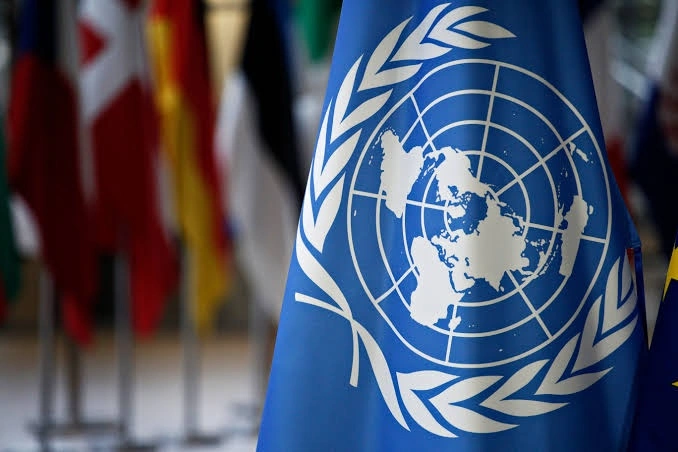
United Nations human rights experts have expressed deep concern and urged Pakistan and Afghanistan’s interim government to end recent border tensions by implementing a permanent and lasting ceasefire. The experts emphasized that both countries must reach a comprehensive peace agreement in light of the serious conditions that have arisen since October 2025 and the recent clashes, in order to protect human lives.
Human and Material Losses
According to the UN report, ongoing fighting since February 26, 2026, has resulted in at least 289 civilians in Afghanistan being killed or injured, including 76 fatalities. The crisis has displaced more than 115,000 people and caused the closure of schools, border crossings, and trade routes, worsening the plight of local populations. Experts strongly condemned the airstrike on March 16, which struck a medical facility, warning of potential large-scale casualties.
Concerns Over Cross-Border Attacks
The report highlighted serious concern over increasing attacks by the Tehrik-i-Taliban Pakistan (TTP) inside Pakistani territory. Experts stressed that the Taliban authorities and all relevant parties have a responsibility to prevent terrorist groups from using their territory to carry out attacks against other countries. Under international law, no state has the right to permit or overlook such activities.
Compliance with International Law
UN experts also raised legal questions regarding Pakistan’s airstrikes, noting that the use of force must comply with the UN Charter. They emphasized that the right to self-defense is only legitimate in the case of a direct attack on the state. Experts called for ensuring the protection of civilians and civilian infrastructure and conducting independent, transparent investigations to hold perpetrators accountable for any potential violations.
Temporary Eid Ceasefire
In a positive development, Pakistan and Afghanistan announced a temporary ceasefire during Eid al-Adha at the request of Saudi Arabia, Turkey, and Qatar. Experts expressed hope that this temporary pause could lead to a permanent peace through diplomatic means and peaceful negotiations, ensuring an end to the threats jeopardizing South Asia’s security.











