
ISLAMABAD, March 27 – Pakistan has secured sufficient petroleum supplies to meet domestic demand until April 25, with refineries operating between 80% and 100% capacity, officials said on Thursday. Despite regional geopolitical tensions, improved import planning and diversified supply sources have ensured uninterrupted fuel availability across the country.
According to Petroleum Division officials, there is currently no shortage of petroleum products. They said strengthened inventory management and timely import decisions have played a key role in stabilising the energy sector and maintaining smooth supply chains nationwide.
Supply Diversification and Imports
Officials said Pakistan has increased reliance on alternative suppliers, particularly Oman, to reduce dependency risks. In March alone, the country imported three petrol cargoes and one diesel shipment from Oman, with two additional petrol consignments expected before month-end.
State-owned Pakistan State Oil is also in talks with Oman Trading International to secure further shipments in anticipation of rising domestic demand.
Refinery Operations Improve
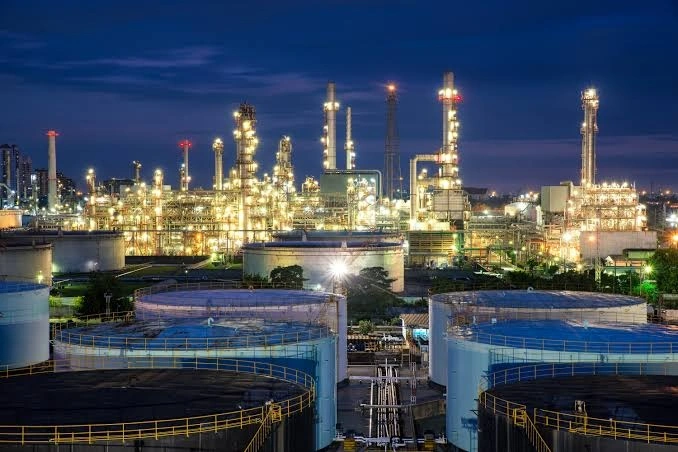
Officials confirmed that Pak-Arab Refinery Company is currently operating at full 100% capacity. The refinery holds crude stocks sufficient for around 15 days, while incoming shipments are expected to extend coverage beyond April 25.
Meanwhile, National Refinery Limited and Pakistan Refinery Limited are operating at around 80% capacity, up from previous levels of 50%–60%, reflecting improved crude oil availability and operational efficiency.
Regional Context and Emergency Response
Officials attributed the stable fuel situation to rapid policy measures taken after the February 28 regional conflict involving the United States and Israel against Iran, which raised concerns over potential disruptions in global oil supply routes, particularly through the Strait of Hormuz.
In response, Pakistan diversified its import sources by arranging crude shipments from regional hubs including Fujairah in the United Arab Emirates and Yanbu in Saudi Arabia, ensuring uninterrupted energy flows.
Outlook
Authorities said these proactive measures have helped Pakistan maintain fuel stability even as some neighbouring countries, including India and Bangladesh, reportedly face tighter supply conditions. Officials added that ongoing monitoring and flexible procurement strategies will continue to safeguard national energy security in the coming weeks.











