
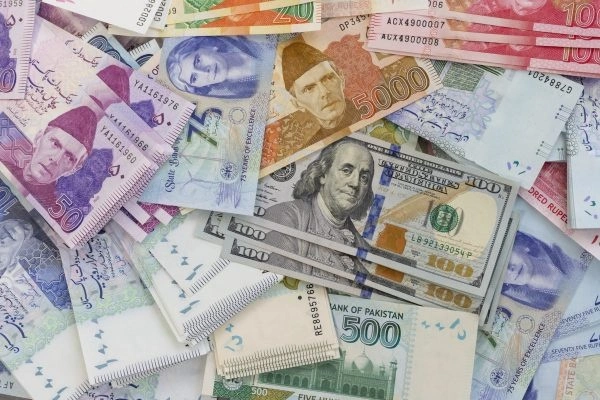
KARACHI – MARCH,29 – Pakistan’s rupee is expected to maintain strong stability in the near term, reflecting improved economic management and steady financial conditions, even as the country prepares for major external payments, including oil imports and a Eurobond maturity.
The local currency continues to demonstrate resilience, trading within a narrow and stable range around 279 against the US dollar. Market performance has remained steady despite ongoing regional uncertainties, highlighting confidence in Pakistan’s macroeconomic stability.
Analysts say there is no cause for concern regarding the rupee, as economic pressures are being effectively managed through coordinated policy measures. The currency closed at 279.22 in the interbank market earlier in the week and slightly improved to 279.17 by Friday, reflecting underlying stability in the foreign exchange market.
A key positive development supporting the outlook is the staff-level agreement between Pakistan and the International Monetary Fund on the country’s economic programme. Once approved by the IMF Executive Board, this agreement is expected to unlock $1.2 billion in financial assistance.
The package includes $1 billion under the Extended Fund Facility and $210 million through the Resilience and Sustainability Facility, strengthening Pakistan’s external financing position and boosting investor confidence. If approved, total disbursements under the ongoing programme will reach approximately $4.5 billion.
Financial analysts note that Pakistan’s currency outlook remains stable and well-supported by key fundamentals, including remittance inflows, import management, and continued policy discipline. According to Tresmark, the rupee is expected to stay within a controlled range in the near term, reflecting market confidence and improved external account management.
While gradual adjustments may occur over time, experts highlight that Pakistan’s financial system is showing greater resilience compared to previous cycles, supported by external financing and improved economic coordination.
Overall, the outlook for the rupee remains steady and positive, driven by effective economic management and strengthening financial buffers, even in a challenging global environment.











