
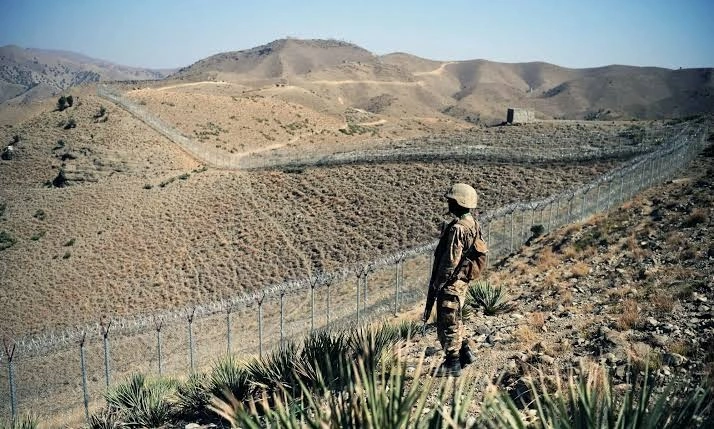
ISLAMABAD – MARCH,29 – Pakistan has once again dismissed allegations circulating on Afghan Taliban-linked social media channels claiming civilian casualties in Kunar province, calling them part of a recurring propaganda pattern aimed at discrediting Pakistan’s counter-terror operations.
War Crimes of the Pakistani Military Regime
— Hamdullah Fitratحمدالله فطرت (@FitratHamd) March 29, 2026
March 29, 2026
Once again, the militias of the Pakistani military regime conducted shelling this afternoon at approximately 5:00 PM on rural areas and civilian residences located on the outskirts of Asadabad, the center of Kunar… pic.twitter.com/On4DgjS7u5
The claims, following reports of alleged civilian casualties in Asadabad and surrounding areas, accuse Pakistan of indiscriminate shelling across the border. However, officials and security-linked narratives argue that such accusations are repeatedly made without independent verification, geospatial evidence, or credible on-ground confirmation.
According to the emerging security narrative, these allegations follow a consistent pattern in which Pakistan’s counter-terror responses are quickly reframed as “civilian targeting,” particularly after strikes or operations near the border regions.
Kunar province, according to security assessments cited in the narrative, has long remained an active hub for Tehreek-e-Taliban Pakistan (TTP) and affiliated groups, allegedly being used as a staging ground for cross-border attacks into Pakistan.
Sources and security-linked claims suggest that more than 600 TTP-linked attacks in 2025 have been traced back to Afghan territory, with infiltration routes reportedly connected to eastern provinces, including Kunar.
Pakistan maintains that its responses are targeted, intelligence-driven, and focused on militant movement, firing positions, and operational hideouts near border areas, rather than civilian populations.
The narrative further claims that Afghan authorities have consistently avoided acknowledging the presence of more than 20 militant groups operating inside Afghanistan, as highlighted in international monitoring discussions.
It is also alleged that militant elements often operate in proximity to civilian areas, creating situations that increase collateral risk and are later used for coordinated propaganda campaigns.
Officials and analysts cited in the narrative argue that no credible or independently verified evidence has been presented to support the scale or nature of the civilian casualty claims being circulated online.
They further suggest that Taliban statements often intensify following exposure of alleged militant safe havens and cross-border facilitation networks operating inside Afghan territory.
Pakistan, according to this position, has repeatedly raised the issue through diplomatic channels and continues to demand concrete action against TTP infrastructure, which it says remains unaddressed by Afghan authorities.
The overall assessment presented in this narrative concludes that continued instability in border regions is primarily driven by the presence and protection of militant networks in Kunar and surrounding areas, rather than Pakistan’s defensive counter-terror operations.











