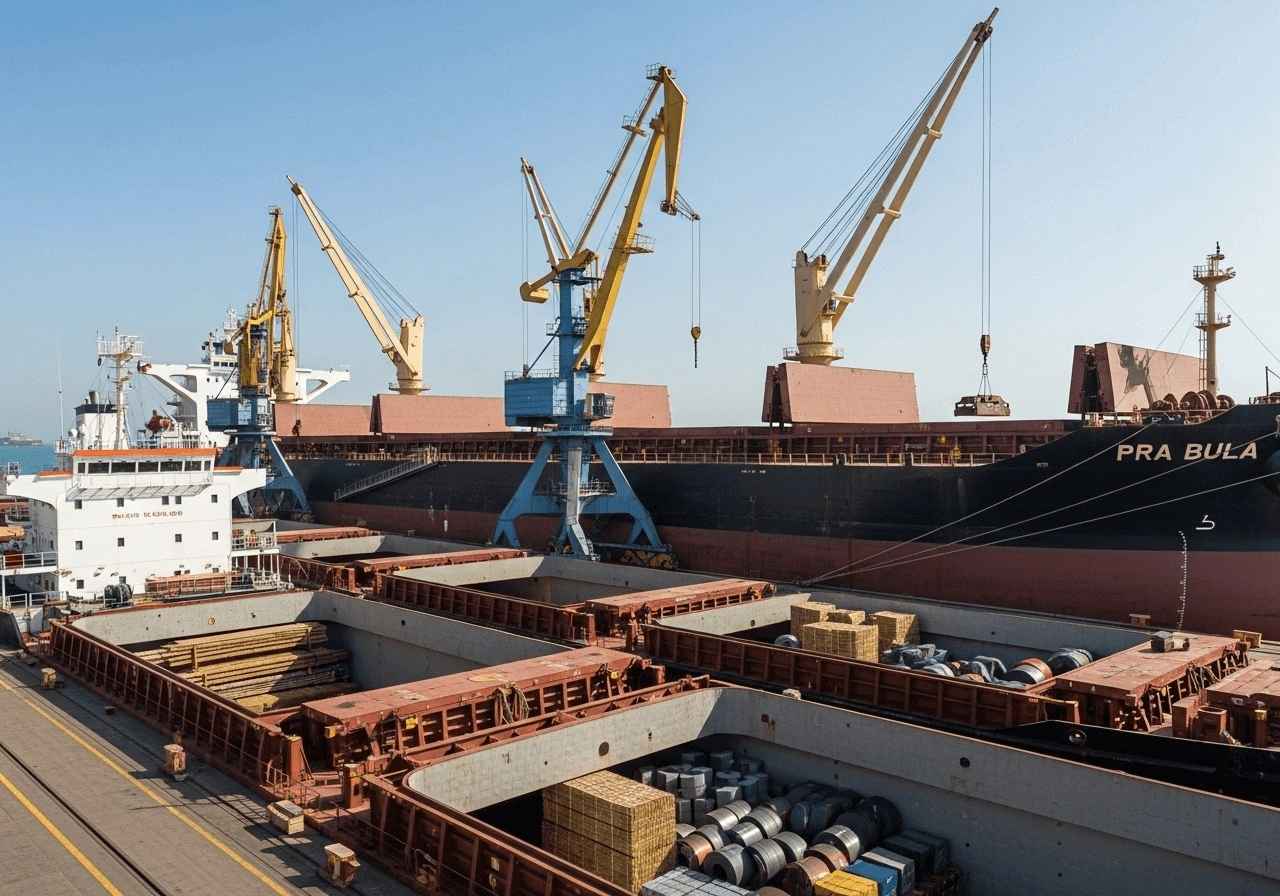
Amid rising regional tensions and uncertainty over global maritime routes, the Pakistan National Shipping Corporation (PNSC) has emerged as a key national institution. It is playing an important role in ensuring uninterrupted supply of the country’s energy needs while also helping reduce pressure on the national economy.
Strait of Hormuz and Supply Security Challenge
Due to security concerns in the Strait of Hormuz and rising insurance costs, several foreign oil tankers have reduced operations on this route, resulting in disruptions to the global supply chain.
In this situation, PNSC has utilized its capabilities to continue the transportation of crude oil and petroleum products for Pakistan, which is a highly significant development in terms of energy security.
Financial Performance and Operational Capacity
PNSC is among the few profitable state-owned enterprises in the country, having earned more than 10 billion rupees in profit during the last fiscal year. The corporation currently operates a fleet of 12 vessels, including 7 oil tankers, and handles approximately 11% of Pakistan’s total commercial cargo.
According to experts, this performance becomes even more important at a time when most public sector organizations are running into losses.
Freight Bill and Pressure on Foreign Exchange
Nearly 89% of Pakistan’s maritime trade is still conducted through foreign shipping companies, resulting in annual freight charges of approximately 6 billion dollars.
Experts believe that if PNSC’s capacity is expanded, this heavy outflow of foreign exchange could be significantly reduced, thereby strengthening economic stability.
Exclusion from Privatization and Government Strategy
The government has excluded PNSC from the privatization list, considering its strategic importance. This decision is being regarded as important and forward-looking.
Currently, the government holds 87.56% of the corporation’s shares, while the remaining shares are held by the public and the PNSC Employees Empowerment Trust. This reflects a policy of retaining the institution in the national interest.
Fleet Expansion and Future Vision
The government has prepared a plan to expand PNSC’s fleet from 12 to 54 ships over the next five years. This expansion is expected to reduce Pakistan’s freight bill, ensure safe and timely transportation of energy and other essential goods, and create new employment opportunities in the maritime sector.
Key Role in National Economy and Security
According to experts, in the current global environment of increasing geopolitical tensions and supply chain disruptions, institutions like PNSC have become strategic assets for Pakistan.
Through effective policy-making and timely investment, it can not only be further strengthened but also help Pakistan emerge as a strong maritime trading power in the region.