
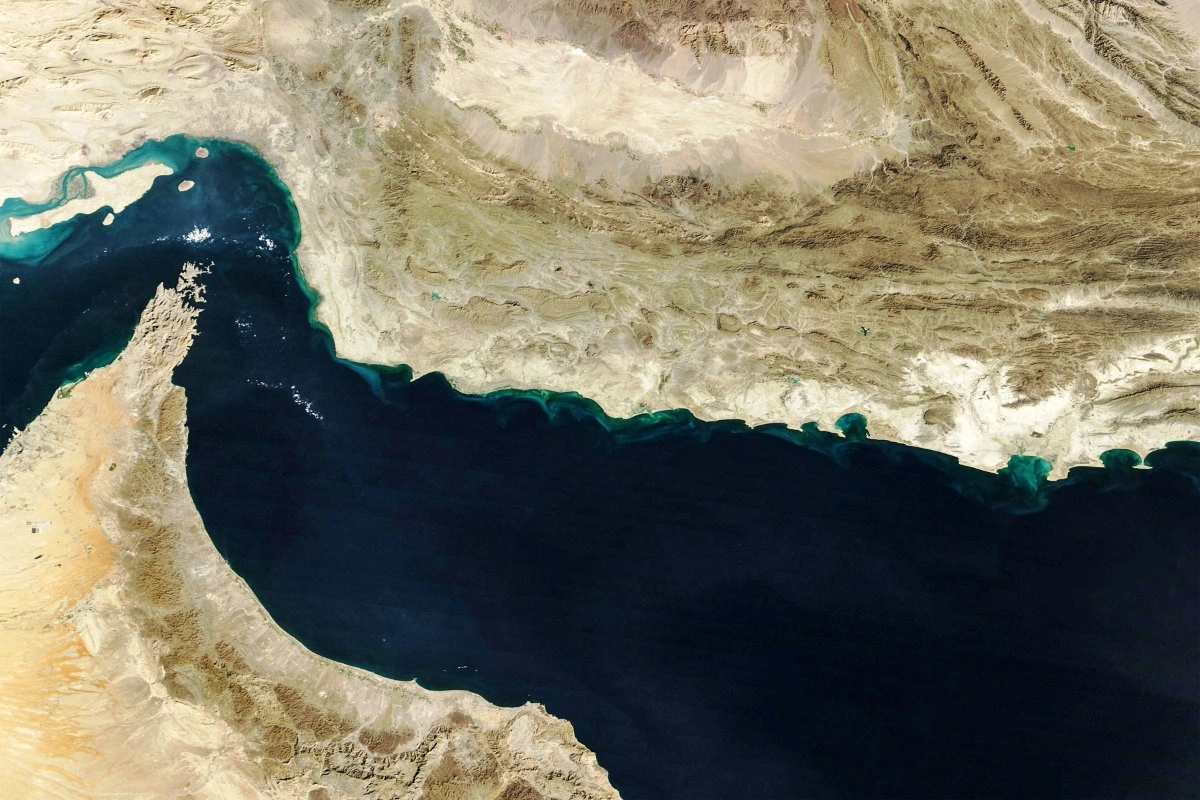
TEHRAN – APRIL,6 – Iran’s Islamic Revolutionary Guard Corps (IRGC) Navy has signaled that the strategic Strait of Hormuz may not return to its previous state, particularly for the United States and Israel, as tensions in the region continue to escalate.
In a statement shared on social media, the IRGC said the vital waterway “will never return to its former state,” suggesting a potential shift in how maritime activity could be managed in the Gulf.
The remarks come as Iranian officials indicate they are entering the final stages of preparations for what has been described as a “new order” in the region. While details remain unclear, the statement has raised concerns about future navigation and security in one of the world’s most critical energy corridors.
The development follows recent approval by an Iranian parliamentary committee of draft legislation that would introduce transit fees on vessels passing through the Strait of Hormuz. The move could have significant implications for global shipping and energy markets.
The Strait of Hormuz is a key chokepoint through which a substantial portion of the world’s oil supply is transported. Any disruption or policy shift affecting the route is closely watched by global markets and regional stakeholders.
Analysts say the latest statements reflect a broader escalation in rhetoric and strategy, with potential long-term consequences for maritime security and stability in the Gulf.











