
In recent days, Pakistan’s foreign policy and strategic approach have achieved notable success at the global level. Pakistan and Türkiye’s active role in efforts to de-escalate tensions in the Middle East and their emergence as mediators have reportedly become a serious concern for Zionist interests. While the international community acknowledges Pakistan’s balanced stance, pro-Israel circles and alleged Mossad-linked elements continue to spread negative propaganda against the country.
Reports claim that accounts attributed to Israeli intelligence-linked networks have recently circulated narratives undermining Pakistan, suggesting that “the world does not care about Pakistan” and portraying its potential challenges in a positive light. According to diplomatic observers, such messaging is part of psychological warfare aimed at creating despair among the Pakistani public and portraying the country as isolated globally. In reality, analysts argue that this reflects underlying concern over Pakistan’s nuclear capability and its strategic role in the Muslim world.
Zionist Narrative Promotion
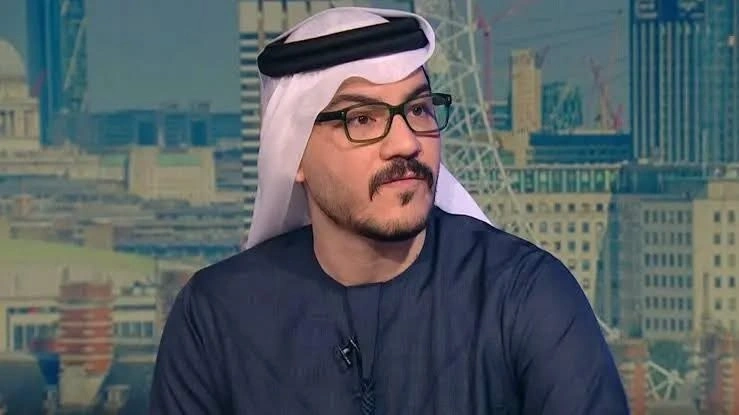
At the forefront of this alleged information campaign is UAE-based controversial commentator Amjad Taha, whose role is now under increased scrutiny. In his recent posts, he has referred to Pakistan and Türkiye as “a thing of the past,” which critics say aligns with broader pro-Israel strategic messaging aimed at influencing regional perceptions and encouraging division among Arab states.
His narrative is described by critics as echoing the strategic ambitions associated with Benjamin Netanyahu, who is accused by opponents of pursuing regional instability to advance expansionist objectives often referred to as the “Greater Israel” vision.
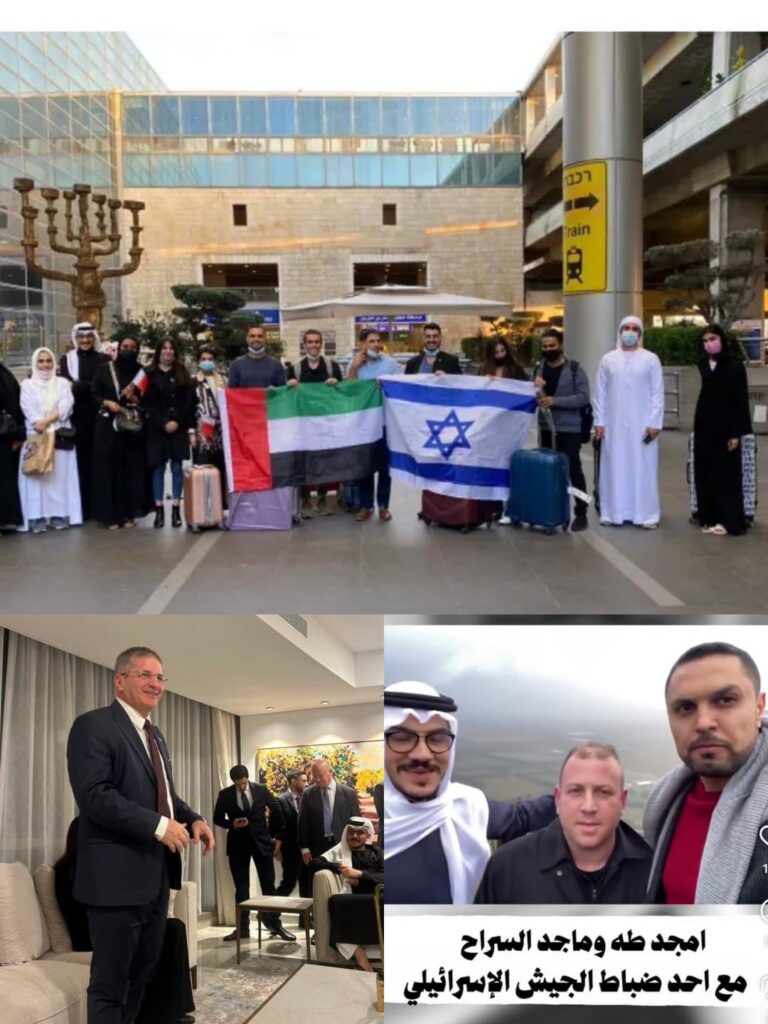
Images circulating alongside these claims are presented by supporters of this narrative as evidence of his alleged proximity to Israeli officials and participation in diplomatic and strategic forums involving Israeli representatives. These claims are used to support assertions regarding his political alignment and motivations in regional discourse.
Controversial Background and Allegations
According to investigative reports cited by critics, Amjad Taha’s background is described as controversial and inconsistent, with allegations of identity shifts and misinformation campaigns. He has been labeled by opponents as a “disinformer” who spreads misleading content under the guise of strategic analysis.
It is also claimed that in February 2025, British courts indirectly exposed certain false allegations associated with media narratives he supported, leading to public corrections by UK-based outlets. Critics further argue that he lacks formal academic credentials and relies on what they describe as credential misrepresentation to establish credibility.
Response to His Narrative
His characterization of Pakistan and Türkiye as “irrelevant” is rejected by supporters of Pakistan, who argue that such statements reflect a lack of understanding of regional geopolitics. Pakistan is described as a nuclear-armed state with significant strategic depth, while Türkiye is highlighted for its geopolitical position bridging Europe and Asia along with its growing defense capabilities.
Supporters further argue that individuals engaging in such commentary often shift narratives based on political convenience, whereas sovereign states maintain long-term strategic relevance based on geography, defense capacity, and international alliances.
Attempts to Create Rift Between Pakistan and UAE
The report also claims that efforts are being made to suggest a growing distance between Pakistan and the United Arab Emirates, which critics describe as false and misleading. Pakistan-UAE relations are characterized as historically strong, rooted in shared history, religion, and economic cooperation.
With over 1.6 million Pakistanis contributing to the UAE’s development, analysts argue that these ties cannot be undermined by online narratives or individual commentary. Instead, such messaging is viewed as an attempt to influence Gulf leadership away from traditional partnerships.
Alleged Campaign Against Islamic Unity
Amjad Taha is further described by critics as part of a broader network aimed at dividing Muslim countries and undermining regional cooperation. His opposition to mediation efforts by Pakistan and Türkiye is interpreted by supporters as resistance to diplomatic solutions and fear of increased unity among Muslim states.
Pakistan’s leadership and public, according to this viewpoint, remain aware of such narratives and consider them part of broader information warfare. Officials emphasize that Pakistan-UAE relations remain strong and are based on decades of strategic partnership.
Pakistan’s foreign policy direction is presented as continuing steadily, with claims that external propaganda efforts will not succeed in weakening its diplomatic standing or regional relationships.
Read more :Amjad Taha sparks controversy over support for Israel and criticism of mediation efforts











