
KABUL – APRIL 7- The United Nations Food and Agriculture Organization (FAO) has reported that widespread rainfall continues across Afghanistan, with heavy downpours expected in the central, eastern, and southeastern regions over the coming week.
The FAO stated that while rainfall can support crop growth, heavy precipitation also increases the risk of flooding in both urban and rural areas, potentially damaging farms, infrastructure, and vulnerable livelihoods.
The organization further warned that below-average temperatures and sub-zero conditions in high-altitude regions are placing additional pressure on agriculture and livestock, with a risk of frost affecting parts of the northeast, east, and central provinces.
Meanwhile, Afghanistan’s Meteorology Department under the Taliban administration has also issued warnings of heavy rain and possible flooding across 32 provinces. Forecasts indicate rainfall across most parts of the country on Tuesday, except Farah and Nimroz provinces.
Strong winds ranging between 50 and 85 km/h are also expected in eastern, central, southern, and southeastern regions, along with snowfall in colder mountainous areas. Rainfall levels are projected to range between 10 and 65 millimeters.
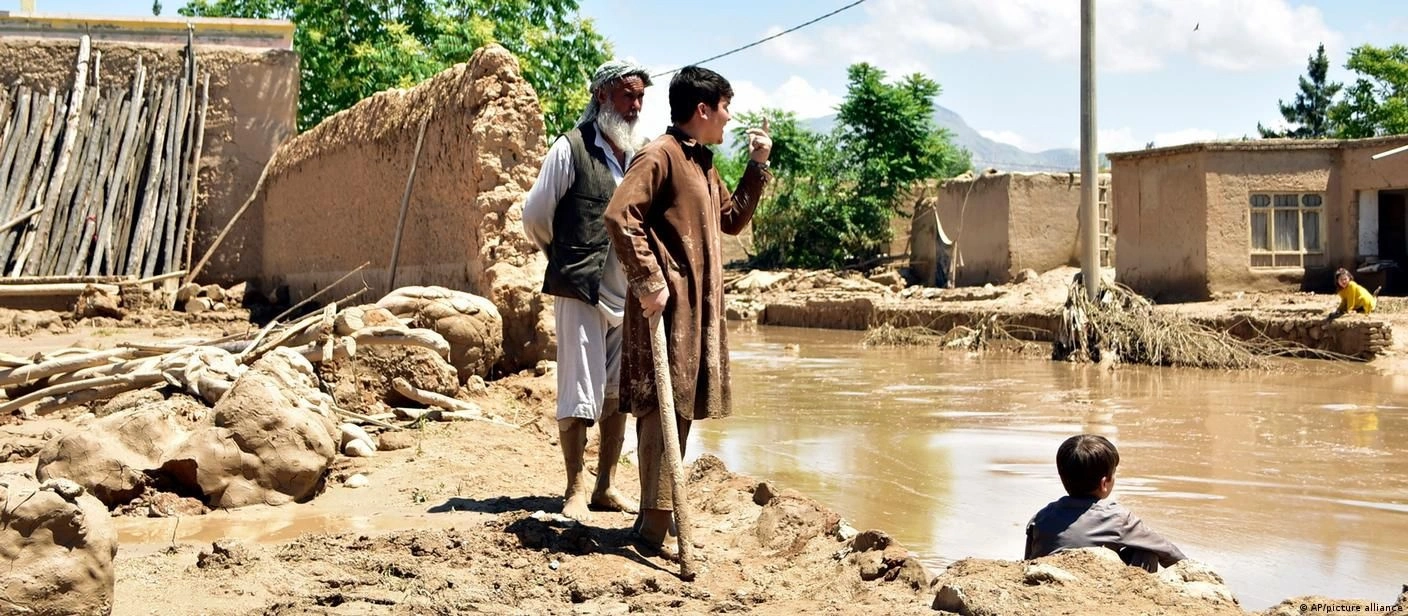
Since March 26, Afghanistan has experienced widespread rainfall, flooding, and snowfall. According to the Taliban’s disaster management authority, 99 people have been killed and 154 injured during this period.
The authority also reported that 955 homes have been completely destroyed, while nearly 4,000 others were partially damaged. Flooding has additionally destroyed hundreds of kilometers of roads and large areas of agricultural land.
Although the recent rainfall has raised hopes of easing drought conditions in some regions, it has also caused significant humanitarian and infrastructural damage across the country.











