
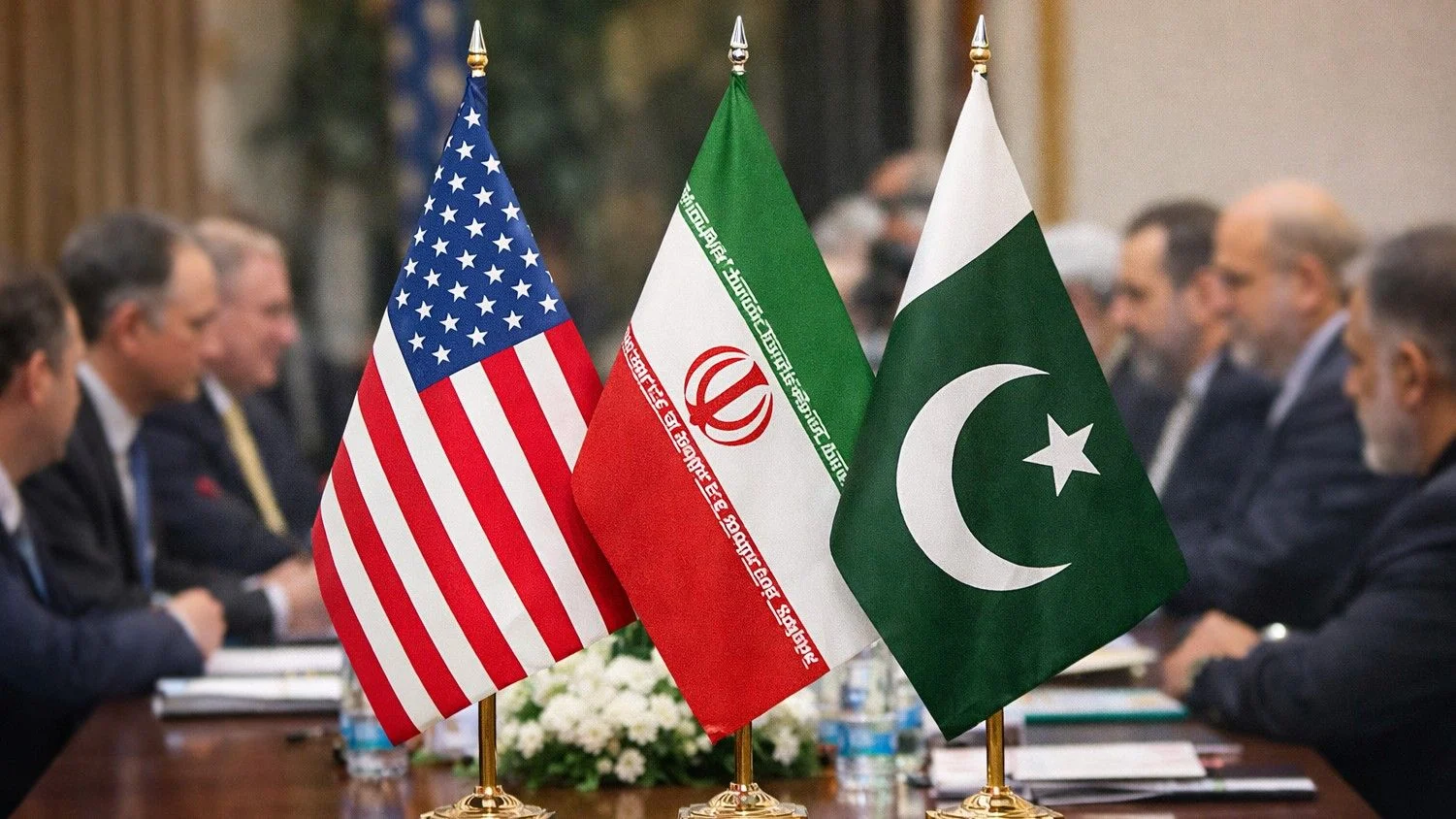
Islamabad is preparing to host a historic diplomatic event on April 11, where the United States and Iran will hold direct talks. Pakistan’s top political and military leadership will lead the hosting, including Prime Minister Shehbaz Sharif, Field Marshal Asim Munir, and Foreign Minister Ishaq Dar. This high-profile role reflects Pakistan’s growing influence as a key facilitator for peace in the region.
The government has emphasized that these talks aim to reduce tensions and create space for meaningful dialogue. Officials say Pakistan is committed to ensuring the meetings run smoothly and result in constructive outcomes. International observers are closely watching, viewing this as a major test of Islamabad’s diplomatic capacity.
High-Level Delegations Arrive
The US delegation will be led by Vice President J.D. Vance. Other members include White House special envoy Steve Witkoff and former presidential advisor Jared Kushner. Their experience in Middle East affairs is expected to add significant weight to the discussions. CENTCOM Commander Brad Cooper will also participate, ensuring security and strategic matters are carefully addressed.
Iran will send a senior delegation led by Parliament Speaker Mohammad Bagher Ghalibaf, with Foreign Minister Abbas Araghchi and Supreme National Security Council Secretary Mohammad Bagher Zolghadr. Deputy Foreign Minister Majid Takht-Ravanchi will also attend, signaling that Iran views these talks as a serious step toward a diplomatic solution.
Global Attention on Islamabad
The April 11 talks have attracted worldwide attention. Analysts say Pakistan’s ability to host both sides in such sensitive negotiations demonstrates its diplomatic maturity. The event also highlights Pakistan’s role as a stabilizing force in the Middle East.
With tensions rising across the region, these talks could prevent escalation and pave the way for further diplomatic engagement. Observers hope that Pakistan’s leadership will set a positive example of how dialogue and coordination can resolve complex international disputes.
The success of this event could strengthen Pakistan’s reputation as a trusted mediator and increase its influence in global diplomacy, marking a historic moment in the country’s foreign policy.











