
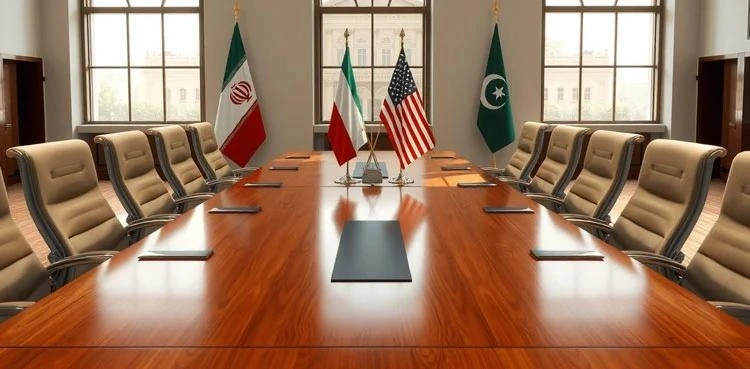
Pakistan has once again positioned itself at the center of global diplomacy as direct talks between the United States and Iran formally begin under what officials are calling the “Islamabad Process.”
The development comes at a critical moment, as the region seeks to either consolidate a recent ceasefire into a durable diplomatic framework or risk sliding back into wider instability. Prime Minister Shehbaz Sharif has presented the initiative as a landmark diplomatic effort, drawing parallels with historic mediation roles played in the 1970s, including the opening of US–China relations. Iran has confirmed its direct participation in the talks.
Two-Week Diplomatic Framework Under Discussion
The two-week negotiation process is primarily focused on narrowing differences between Iran’s ten-point peace proposal and key US demands. Analysts believe that while an immediate comprehensive peace deal remains challenging, the objective is to transform the current ceasefire into a structured political process that can prevent renewed escalation.
Possible outcomes include a phased agreement covering extension of the ceasefire, gradual easing of sanctions, maritime security arrangements, and limited but practical steps on nuclear-related issues.
Pakistan’s Role as Facilitator
A key development is both sides agreeing to engage directly under Pakistan’s facilitation, a move widely viewed as a significant de-escalation signal. Observers note that Washington’s acknowledgment of Iran’s proposal as a potential negotiating basis indicates a growing preference for diplomacy over military pressure.
However, the process remains fragile, with regional tensions—particularly related to Lebanon—posing potential risks to progress.
Regional Tensions and Complicating Factors
Despite the ceasefire framework, ongoing military activity in Lebanon has raised concerns in Tehran, which has called for a broader and more inclusive ceasefire arrangement. These developments are seen as contradicting broader peace efforts facilitated in Islamabad.
Key Issues on the Table
Major sticking points include international oversight of Iran’s nuclear program, sanctions relief, and the status of frozen assets. Iran is also seeking recognition of its strategic role in the Strait of Hormuz, while the United States and Israel emphasize restrictions on regional armed groups.
Differences between Washington and Tel Aviv on strategy—diplomatic engagement versus sustained pressure—add further complexity to the negotiations.
A Critical Diplomatic Moment
Despite the challenges, Pakistan’s emergence as a bridge between rival powers is being seen as a significant diplomatic achievement. With all eyes now on Islamabad, the success or failure of this process could shape the future trajectory of regional stability and global diplomacy.











