
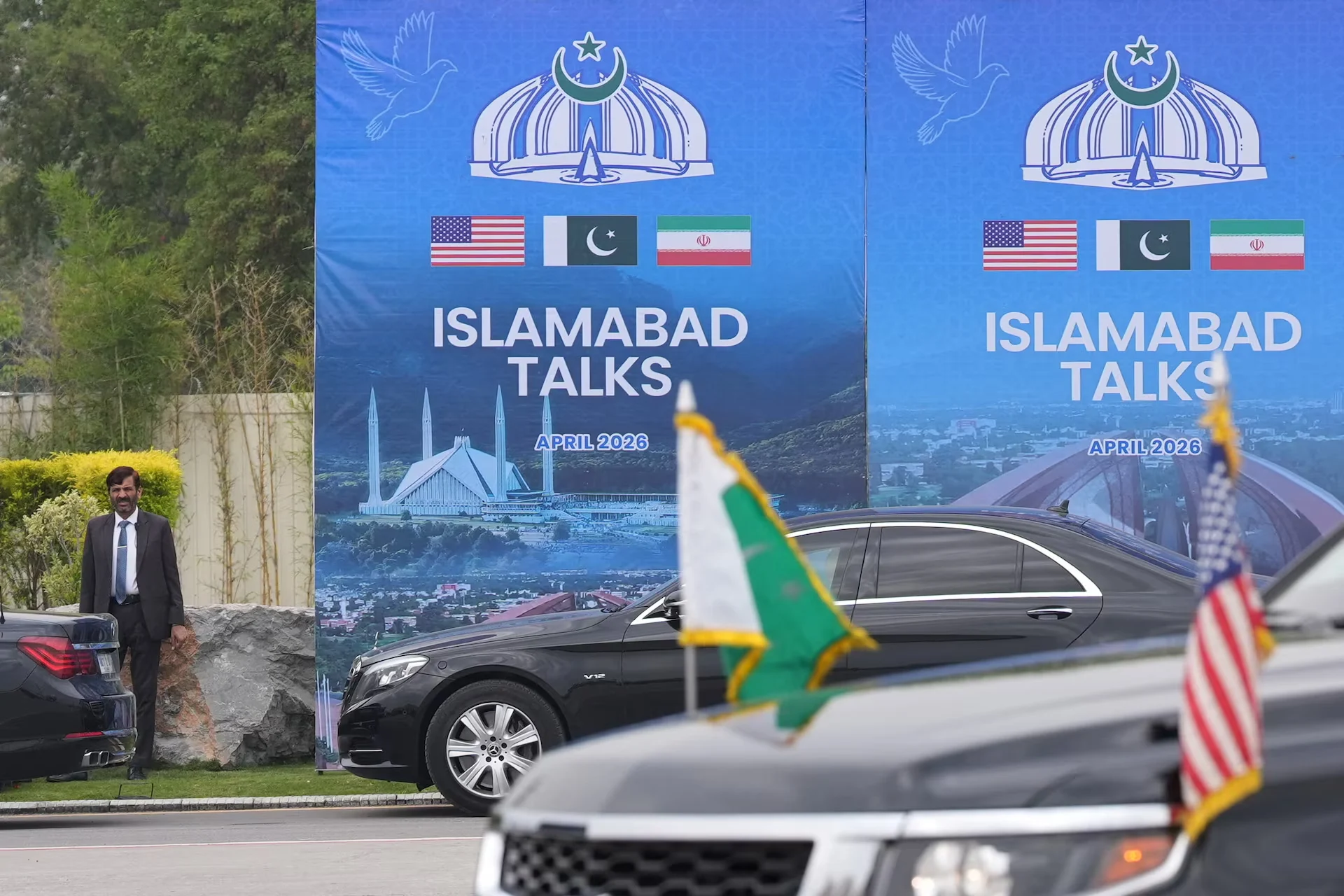
So, did the negotiations fail? No, absolutely not. The talks are successful, and Pakistan stands vindicated.
There is noise suggesting that the negotiations have failed and that the US VP has returned. It is also possible that, along with this noise, some people may sarcastically criticize that Pakistan was very happy about these talks and now they have failed. However, the reality is that the negotiations have not failed; they have succeeded.
Do not pay attention to the dust being raised. Observe the matter with patience, seriousness, and calmness. Pakistan has succeeded and stands as it was before strong and dignified.
Even in villages, when two rival families sit together, sometimes the ice does not break in the first meeting. Sometimes it does, but often it takes time. Here, two states were involved. If everything could not be resolved in the first meeting, there is no reason for disappointment.
Consider what happened at the end of the talks. The United States said that Iran did not accept its position, but it has left its offer open for Iran. Iran said it has presented its position and now the ball is in America’s court.
What does this mean? First, it means the dialogue is not over; it is ongoing. Offers are being exchanged and responses are awaited.
Second, both sides have heard each other. The matter is complex. Now both will return to their countries, consult their leadership, and engage domestic audiences. Final decisions will be made after internal consultations.
This is natural. When negotiating parties have been in deep hostility for decades, decisions cannot be made suddenly. Domestic political pressure must also be managed gradually.
In conflict situations, sometimes face-saving is required. In negotiations as well, delays and pauses can serve as face-saving mechanisms. This helps avoid internal political backlash.
At times, if too much progress is made in the first meeting, it may be seen as compromising pride and prestige. Therefore, talks may slow down. Mediators then step in and help both sides adjust their positions while preserving their dignity.
This is exactly what has happened here. The first round of talks has taken place. The same regime that was once to be changed is now engaged in dialogue. The offer still exists. The ball is still in the other court. As long as the ball is in play, the game is not over.
During this process, Pakistan has played a major role. It has deployed military contingents in Saudi Arabia during the talks. Iran recognizes this sincerity shown by Pakistan. With Pakistani forces present in Saudi Arabia, even if tensions rise, there will be no Iranian attack on Saudi Arabia.
If such an attack does not happen, then the plan to turn this into an Arab–Persian war will fail. Pakistan has played a role in preventing this, and it has done so with significant effort.
The sequence of events suggests that there was a strong desire to turn this conflict into an Iran–Arab war. If this did not happen, it was because of Pakistan. Those who do not understand Khawaja Asif’s tweet should improve their understanding of these matters.
Read more:Pakistan’s Diplomatic Role Credited in Ceasefire Breakthrough as Global Markets Surge by Trillions











