
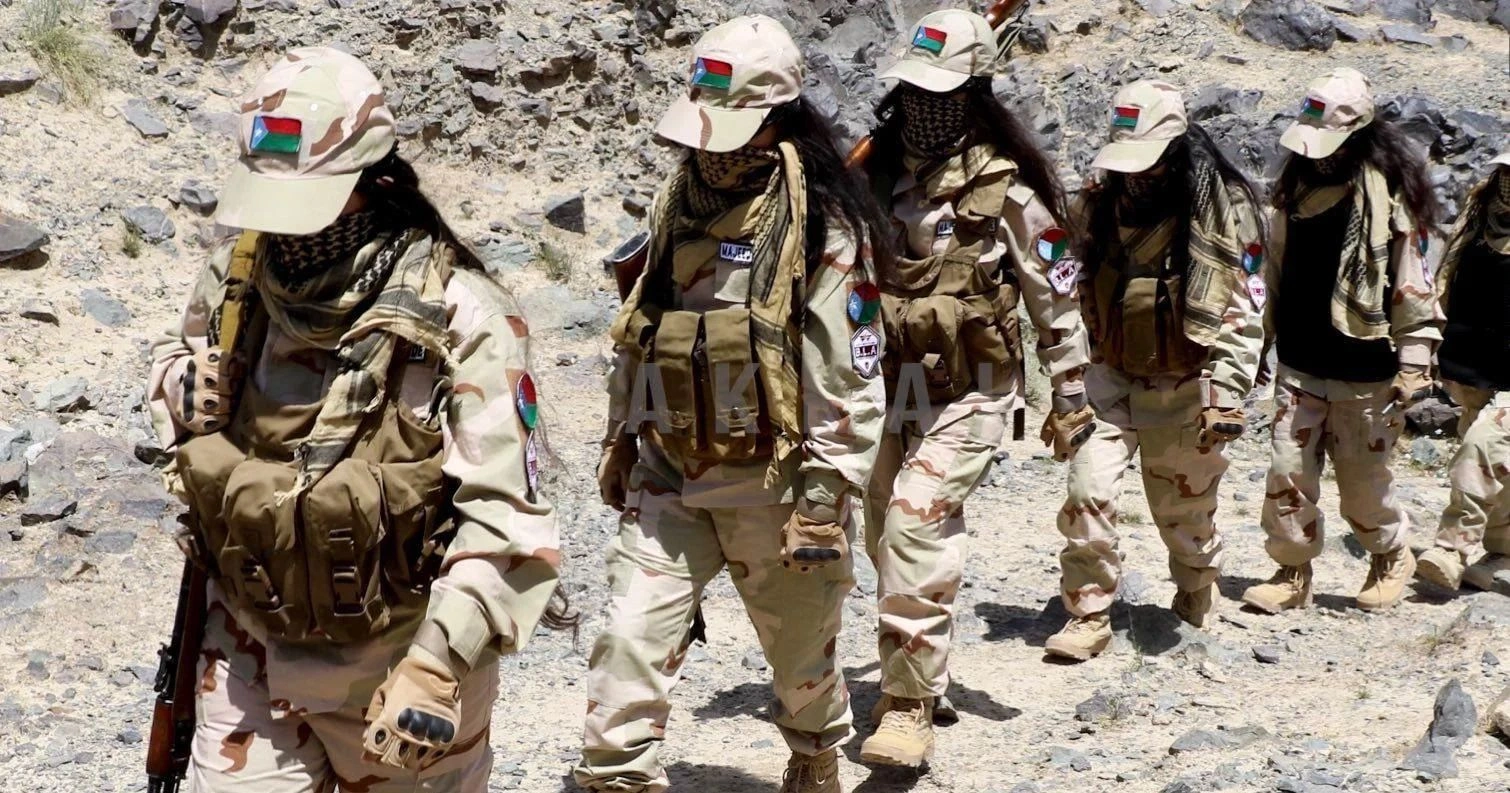
The recent case of Rahima Bibi from South Waziristan has confirmed long-standing concerns raised by Pakistan’s security agencies at both national and international levels. Her arrest and the revelations linked to the case highlight how terrorist networks are systematically using women and the concept of family as a cover for militant activities.
Cross-Border Safe Havens
According to investigative reports, Rahima Bibi was radicalized by her husband, Babar Yousafzai, an active member of the banned Tehrik-e-Taliban Pakistan (TTP). Security officials say the case gained further significance when it emerged that, under pressure from law enforcement operations, Yousafzai fled across the border into Afghanistan, where militants are believed to still have access to safe havens used to evade capture after carrying out attacks in Pakistan.
رحیمہ بی بی کا کیس ایک خطرناک حقیقت کو بے نقاب کرتا ہے—دہشتگرد نیٹ ورکس اب منظم حکمتِ عملی کے تحت خواتین کو نشانہ بنا رہے ہیں۔ سماجی دباؤ، ذہنی پراپیگنڈا اور ذاتی کمزوریوں کا فائدہ اٹھا کر انہیں انتہاپسندی کی طرف دھکیلا جا رہا ہے۔ یہ صرف سیکیورٹی نہیں بلکہ ایک سنجیدہ سماجی چیلنج… pic.twitter.com/anZ5mEaq6h
— ali asghar bhatti (@asgharbic) April 18, 2026
Use of Women in Terror Networks
Security sources confirm that terrorist groups are increasingly using women to bypass security checks at checkpoints and sensitive locations. In Rahima Bibi’s case, investigators found that she had been psychologically manipulated under false promises of “family protection” and “religious duty,” ultimately becoming part of a radicalized family-based recruitment network. Officials describe this as a dangerous “family cell” model in which recruitment now begins inside households rather than outside institutions.
State Response
Following the incident, security agencies have strengthened countermeasures, including deploying a higher number of female security personnel in sensitive areas to counter such tactics. In addition, a counter-propaganda campaign has been launched in underdeveloped regions to raise awareness among women about extremist recruitment strategies and cross-border militant networks.
Conclusion
The Rahima Bibi case is being seen as more than an isolated arrest—it is a warning about evolving terror tactics. It highlights the continued existence of cross-border militant safe havens and the shifting methods of recruitment. Authorities emphasize that dismantling this “family cell” model requires coordinated efforts between the state and society to counter extremist influence at its roots.











