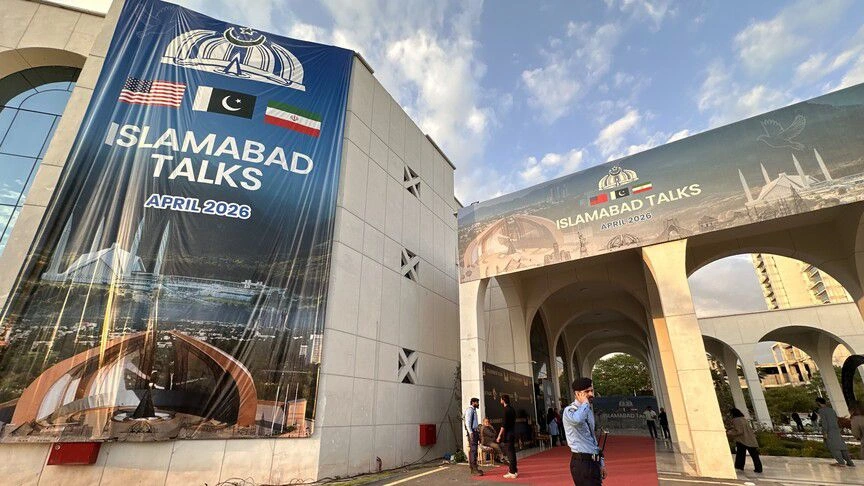
There is something deeply human about wanting the pain to stop. Weeks of war, thousands of lives lost, a global economy rattled, of course the world wants to hear that peace is finally here. And when President Trump hinted at flying to Islamabad personally to sign a deal, that hope exploded into something else entirely: a media frenzy that has since taken on a life of its own.
Let this be said clearly: a deal is only done when it is done.
When Hope Becomes Noise
Ever since Trump’s statement, a flood of commentary has poured in; predicted dates, assumed delegation lists, confident timelines. Almost none of it comes from anyone with actual knowledge of where the negotiations stand. Some of it reflects genuine ignorance of how complicated this conflict really is. Some of it is pure wishful thinking from people who have watched too much death and simply want it over. Both are understandable. Neither is helpful.
A Deal That Has to Be Built, Not Announced
Pakistan has done something genuinely remarkable. Getting two parties who were actively bombing each other to sit in the same room for direct talks is not a small thing, it may be the most consequential act of diplomacy this decade. But bringing parties to the table and getting them to agree are two very different achievements.
What remains is the hard part. Forty-seven years of broken trust, hostile history, and institutional suspicion cannot be resolved in one round of talks. Every point has to be negotiated individually. Every concession has to survive domestic politics back home. Hardliners exist on both sides. Spoilers are always lurking. And anything agreed in good faith can be held hostage the moment it becomes politically inconvenient.
The Numbers Tell a Sobering Story
The gap between the two sides is not cosmetic. Washington proposed a 20-year suspension of Iranian uranium enrichment. Tehran countered with five years. The US rejected it outright. American negotiators are also demanding Iran dismantle its major nuclear facilities and hand over more than 400 kilograms of highly enriched uranium. Iran has since accelerated enrichment to 60 percent, with 90 percent required for a weapon, and shows no willingness to abandon enrichment entirely. Beyond the nuclear file, Tehran’s demands span the Strait of Hormuz, war reparations, lifting of sanctions, and a complete end to hostilities across the region including Lebanon, a condition Washington and Israel have both refused.
The Bet Is Still on Peace
Both parties have made clear they have no desire to return to February 28. That shared instinct, however fragile, is the foundation everything rests on. Pakistan remains the one mediator trusted by both sides, and Islamabad the preferred venue for a final agreement.
Progress is real. But the agreement will arrive on diplomacy’s timeline, not the media’s. If forced to place a bet, it is on peace.