
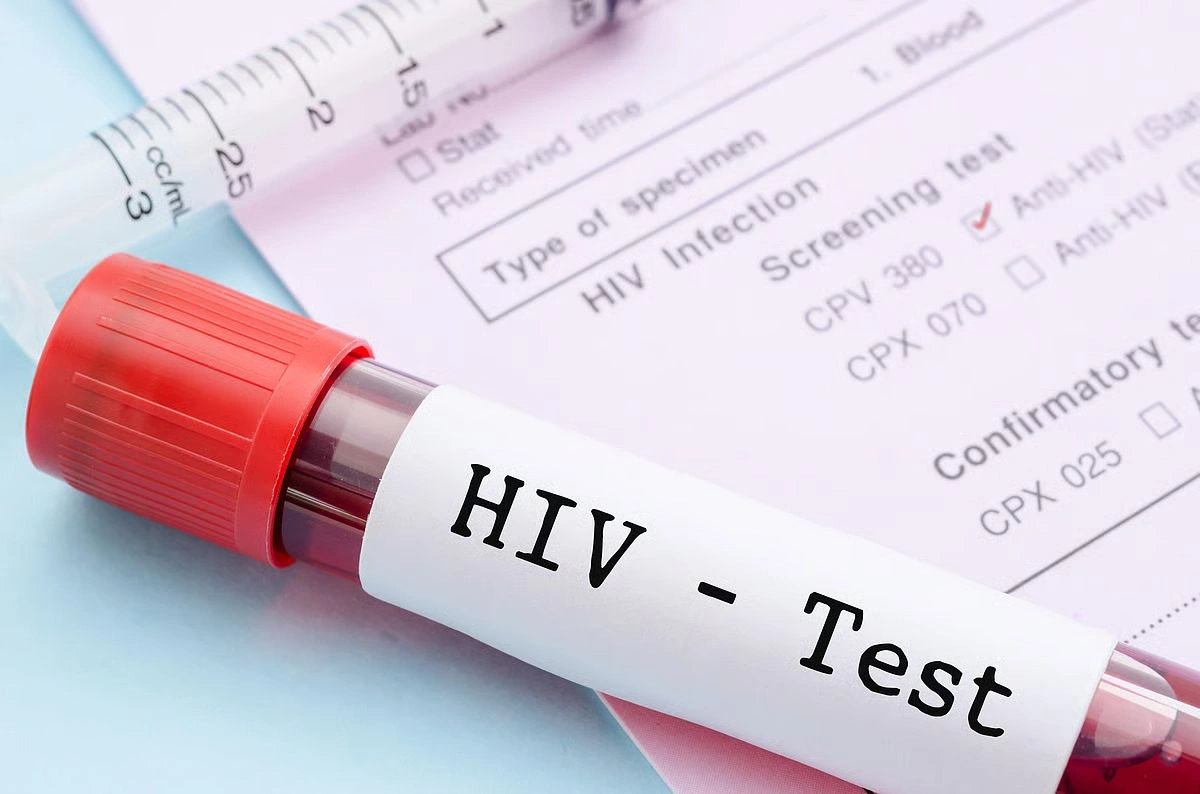
The reporting of 618 new HIV cases in Islamabad over a 15-month period has stirred significant debate across Pakistan’s media landscape. The news surfaced suddenly on Saturday, April 18, 2026, and within hours became a national headline across major television channels and digital platforms. According to reports, the figures have been attributed to the Ministry of Health’s National AIDS Control Programme; however, no official press release or formal documentation has yet been issued.
Notably, the timing of this report coincides with a highly sensitive diplomatic phase. Islamabad is currently hosting critical negotiations between the United States and Iran, widely seen as a major step toward reducing regional tensions. The prominence given to this health-related story at such a moment has raised several questions.
From a statistical perspective, the emergence of HIV cases is undeniably a serious public health concern. However, experts suggest that the figures may not represent a sudden or extraordinary spike, but rather reflect an ongoing trend. The key issue, they argue, lies in the timing and framing of the report, which has presented it as an urgent national crisis.
The role of the media extends beyond simply reporting news; it also involves responsible journalism that considers national interest. At a time when the country stands on the brink of an important diplomatic breakthrough, maintaining balance is essential. Sensationalizing such stories in pursuit of ratings, particularly in a manner that may affect the country’s international image, raises concerns about editorial judgment.
While raising awareness about public health issues remains important, it is equally necessary to consider the broader national narrative, diplomatic environment, and global perception. Responsible media, therefore, is one that carefully balances factual reporting with the wider interests of the country.











