
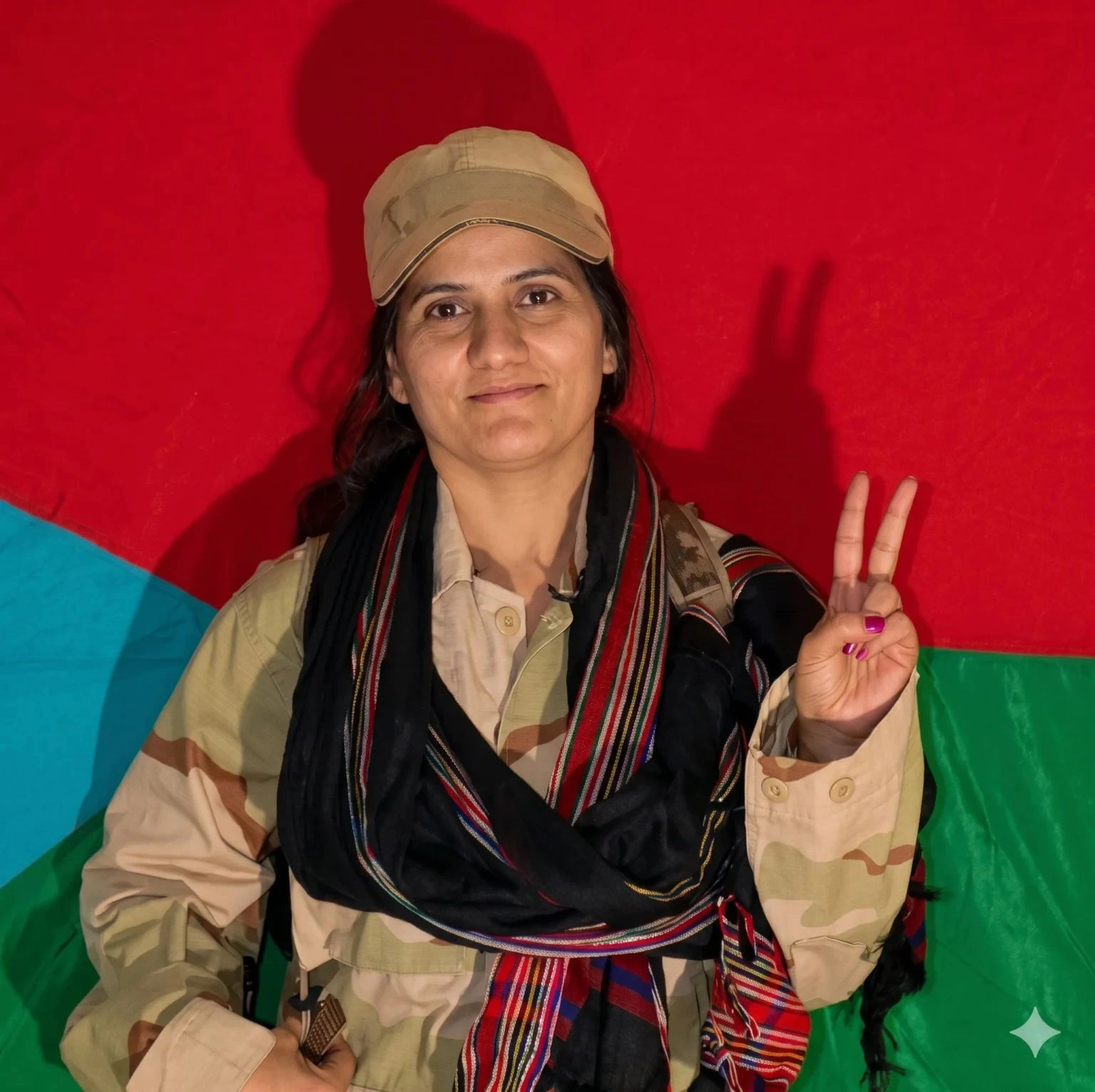
The suicide attack carried out by Shari Baloch in Karachi against Chinese teachers is not a demonstration of any so-called “objective success,” but rather a stark symbol of the destruction of education, human life, and future potential. The incident underscores how extremism erodes humanity, critical thinking, and the prospects of an entire society.
Attack Targeted Educational Personnel
The incident was not merely a security operation but a deliberate targeting of Chinese educators and professionals engaged in educational and development projects in Pakistan. Such attacks on academic institutions and teachers raise serious questions about narratives that justify violence in the name of any cause. The direct impact of such actions is being felt by students, particularly in Balochistan, where educational opportunities are already limited and development efforts are underway.
Concerns Over Youth Radicalisation
Reports suggest that certain student-linked platforms have been used to influence and mobilize young individuals through emotional and ideological messaging. Analysts warn that vulnerable youth are being exposed to narratives that promote hostility and violence, replacing education and constructive engagement with extremist rhetoric.
Women’s Exploitation in Militant Activity
According to multiple reports, there has been a concerning trend of recruiting women for suicide attacks. Observers argue that this is not a sign of empowerment or rights-based struggle, but rather a clear exploitation of individuals for violent agendas. Such practices are seen as deeply damaging to social values and human dignity.
Need for Early Intervention
Experts believe that early psychological and ideological intervention could have prevented tragedies such as the case of Shari Baloch. They stress that her involvement in such an act reflects the misuse of talent and education rather than empowerment. Targeting civilians and educators is widely regarded as unacceptable under any circumstances.
Conclusion
Analysts emphasize that true strength lies in education, development, and nation-building rather than destructive activity. They call for stronger efforts to counter extremist narratives and integrate young people into constructive national pathways to ensure a more stable and progressive future.











