
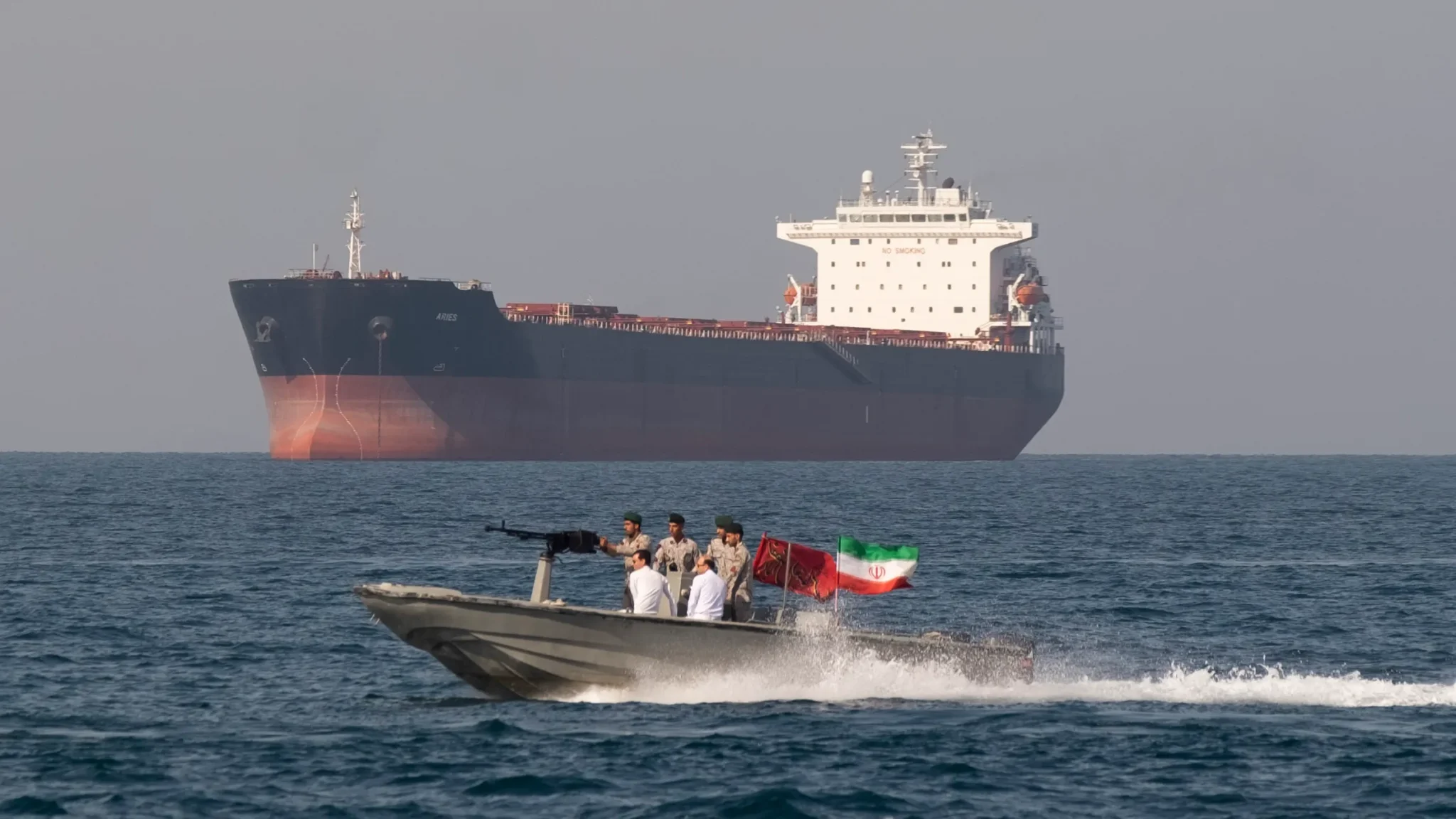
War is not a TV show. It does not end with applause and highlights. It comes with bills, shortages, and hard choices. The possible closure of the Strait of Hormuz is one such reality check. Many people ask a simple question. If this route stays closed for longer, who suffers more, Europe or Asia?
The honest answer is uncomfortable. Europe will feel the shock, but Asia will take the heavier hit. And countries like Pakistan will feel it the fastest.
Why Asia Faces the Bigger Blow
To understand this, we must first look at where the oil goes. Around one fifth of the world’s oil passes through the Strait of Hormuz. Most of this oil does not go to Europe. It goes to Asia.
China alone buys about 80 percent of Iran’s oil exports. China is also one of the biggest buyers of Saudi oil. On top of that, around 86 percent of Gulf oil shipped through this route is consumed by Asian countries. If the strait remains blocked, Asia loses access to most of its energy supply.
Europe will struggle too, but it has more backup options. Asia has fewer choices and higher demand. China has oil reserves for a few months. Pakistan does not. That is where the danger becomes very real.
Alternative Routes Help Europe More
Now let us talk about alternative routes. Yes, they exist. Pipelines through Iraq, Syria, Turkey, and Jordan are being discussed. Oil can also move toward the Suez Canal and then into the Mediterranean Sea.
But here is the key point. Almost all these routes are designed to serve Europe, not Asia. Their capacity is limited and they cannot replace the Strait of Hormuz. Still, they can keep Europe running at a basic level.
Asia does not get that comfort. If Hormuz and Bab el Mandeb are both blocked, Asian countries are left waiting. Prices rise, supplies shrink, and weaker economies feel the pain first.
This is why peace efforts matter. Complaining about fuel prices while mocking diplomacy makes no sense. War is not a cricket match. If peace fails, fuel will not just be expensive. It may disappear.
Then there will be protests, empty roads, and long lines. And no slogans will fill an empty tank.











