
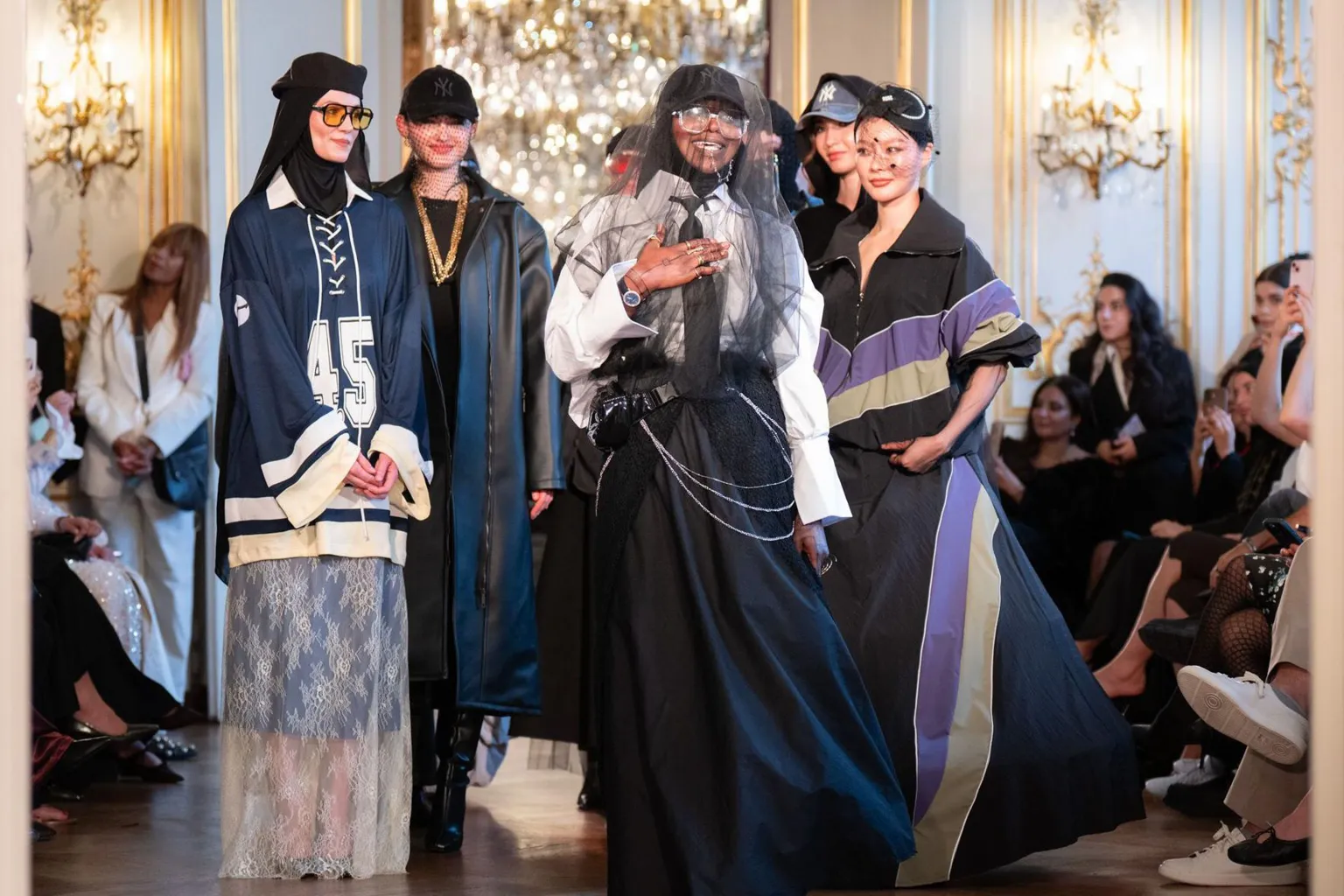
Paris has hosted its first ever Modest Fashion Week, bringing together nearly 30 designers from around the world. The event featured long, loose fitting outfits, floral dresses, and creative uses of headscarves. These styles reflect clothing choices often worn by Muslim women who prefer modest dressing based on faith and personal values.
To begin with, the event carried special meaning because it took place in France. The country has often debated religious clothing, especially hijabs, in public spaces. Despite this, the fashion week highlighted a different picture. Designers and visitors said it showed a more open and inclusive side of French society.
Inside a historic venue near the Champs Elysées, collections focused on nature inspired colors and soft designs. Designers from Turkey, Nigeria, Indonesia, and Australia presented outfits that blended tradition with modern fashion trends.
From Cultural Expression to Global Fashion Industry Growth
At the same time, designers used the runway to express identity and creativity. Some collections featured soft floral patterns and flowing fabrics. Others leaned into bold streetwear styles with boxy shapes and sporty influences.
For example, one brand styled models with headscarves paired with berets, mixing modest fashion with European street style. Another showcased sporty nylon outfits inspired by global sportswear trends. These designs showed how modest fashion is evolving beyond traditional expectations.
In addition, experts say the modest fashion industry is growing fast worldwide. Reports estimate that global spending could reach hundreds of billions of dollars in the coming years. What started as a niche market for Muslim women is now attracting wider audiences, including non Muslim consumers.
Transitioning from fashion to social impact, many attendees shared emotional reactions. Some young visitors said the event made them feel seen and included. Others said it reduced the stigma they often face for wearing headscarves in daily life.
Finally, designers and guests described the event as a sign of change. They said Paris, often seen as a strict fashion capital, is becoming more diverse and open to different cultural expressions.











