
In the last week of April 2026, the Afghanistan-linked platform Al-Mirsad released an open letter addressed to Pakistani religious scholars. The letter urged them to speak out against Pakistan’s state and military leadership and called this stance a moral duty. However, this message directly contradicted the earlier public position of Afghan Foreign Minister Amir Khan Muttaqi, who had clearly advised Afghan citizens not to comment on Pakistan’s sensitive internal matters.
Because of this contradiction, questions quickly surfaced about whether Afghanistan’s official policy line is fragmented. While Kabul publicly promotes non-interference, unofficial platforms appear to encourage the opposite. As a result, the episode exposed a visible gap between stated policy and actual messaging, raising concerns about diplomatic discipline.
From Praise to Pressure on Maulana Idris Tarangzai
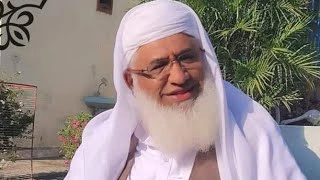
The controversy intensified after Pakistani religious scholar Maulana Muhammad Idris Tarangzai praised Pakistan’s state institutions and Army Chief Asim Munir during a Friday sermon. Soon after, a coordinated campaign emerged from across the border. It questioned his religious standing and used threatening language.
This reaction carried added sensitivity. Several senior Afghan figures were once his students, giving the dispute a historical and ideological dimension rather than a purely political one. For many observers, this made the attacks appear both personal and strategic.
Meanwhile, analysts pointed out that Pakistani religious scholars have long played a key role in shaping Afghan religious thought. Targeting them now risks weakening the same networks that once supported the Afghan leadership. In Pakistan, the response was clear. On April 24, Friday sermons across the country, especially in Khyber Pakhtunkhwa, openly supported Pakistan’s state policy. Instead of creating division, the campaign strengthened unity among clerics.
Beyond ideology, the economic risks are serious. Pakistan remains Afghanistan’s main trade and transit route. Over 40 percent of Afghanistan’s public income depends on external assistance. Nearly half of domestic revenue goes to security, leaving little for development. With the UN seeking 1.71 billion dollars in aid for 2026, strained ties with Pakistan are simply unaffordable.
In the end, the Al-Mirsad episode highlights a clear challenge. Afghanistan must align its diplomacy, messaging, and economic reality. Without that balance, both credibility and regional stability remain at risk.











