
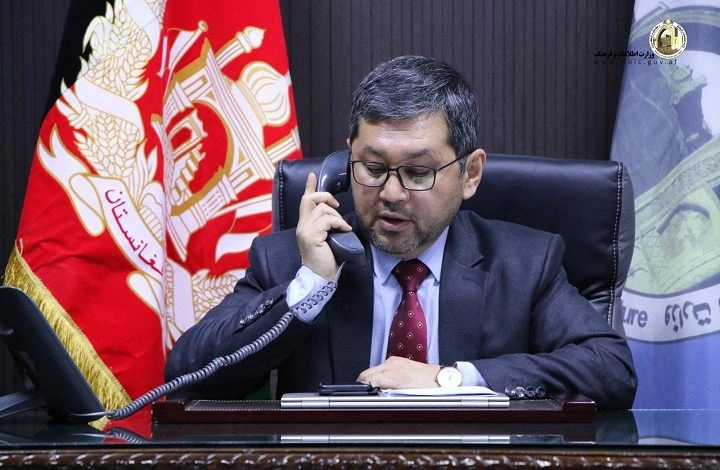
Afghan political leader and former Minister of Information and Culture Mohammad Tahir Zahir has described the Durand Line as a formal and internationally recognized border between Afghanistan and Pakistan. His remarks come at a time when border issues remain sensitive in regional politics.
According to him, more than 133 years of history and official documents clearly show that the border issue is already settled. He said there is no legal or historical confusion about its status. Therefore, he urged Afghan political groups to accept ground realities instead of continuing emotional debates.
He further stressed that future relations between Afghanistan and Pakistan should be based on honesty, cooperation, and practical engagement rather than political slogans.
Call for Practical Politics and Regional Stability
Tahir Zahir criticized claims that challenge the Durand Line, calling them historically weak and politically motivated. He said such narratives are often used to gain political advantage or to influence public emotions.
In addition, he questioned what benefit Afghan people would get from reopening this issue. He pointed out that millions of Pashtuns living in Pakistan are already benefiting from education, security, and social facilities.
He argued that stability and development should be the priority instead of border disputes. According to him, continuous debate over the Durand Line only harms Afghan citizens and slows regional progress.
Focus on Future Relations
Moreover, the former official suggested that Afghanistan should focus on building strong and stable relations with neighboring countries, especially Pakistan. He said cooperation is the only way forward for long term peace in the region.
Finally, he emphasized that accepting the Durand Line as an established border would be in Afghanistan’s own interest. He added that reopening old disputes will not solve problems but instead create new challenges for both sides.
In conclusion, Tahir Zahir’s statement reflects a growing call among some political voices for a shift from historical disputes toward regional cooperation and stability.











