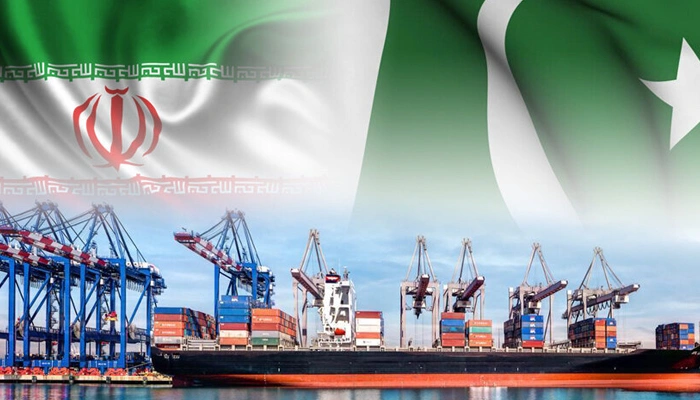
Pakistan has announced a major trade facilitation step for Iran by allowing transit of goods through its territory to third countries. This decision is aimed at improving regional trade links and supporting smoother access to international markets.
According to officials, the move is part of a new transit arrangement called the “Transit Order 2026.” It allows goods coming from one country to pass through Pakistan and reach Iran or move from Iran to other destinations. The policy is designed to make trade routes safer, faster, and more reliable.
In simple terms, Pakistan is opening its land and sea routes for transit trade, which can help Iran reach global markets more easily. This step is also expected to increase commercial activity in the region and strengthen economic ties between neighboring countries.
Major Routes Identified for Smooth Cargo Movement
The government has also listed several key routes and ports that will be used for this transit system. These include important gateways such as Gwadar, Port Qasim, Ormara, Pasni, and Karachi. Inland routes passing through cities like Quetta, Khuzdar, Turbat, and Taftan will also play a role in this trade network.
These routes are chosen due to their strategic location. They connect coastal ports with land borders, making them suitable for long-distance trade movement. Authorities say the system will be strictly monitored under customs and trade regulations to prevent misuse and ensure transparency.
The initiative is expected to bring multiple benefits. It may increase trade volume, create business opportunities, and improve Pakistan’s position as a regional trade hub. It also reflects growing cooperation between Pakistan and Iran in economic matters.
Economic Impact and Regional Importance
In addition, experts believe this step could strengthen regional connectivity in South and West Asia. By offering transit access, Pakistan is positioning itself as an important bridge between different markets.
Finally, the success of this arrangement will depend on effective implementation and cooperation between both countries. If managed well, it could mark a significant shift in regional trade dynamics and open new doors for economic growth.