
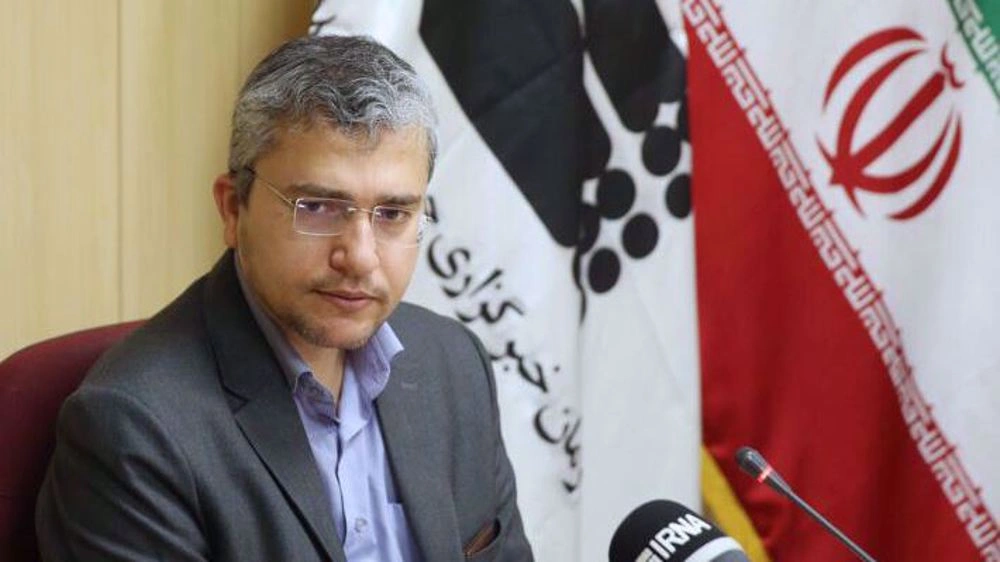
Pakistan has strongly rejected recent remarks by a spokesperson of Iran’s parliamentary commission that questioned Islamabad’s ability to act as a fair mediator in regional matters. Diplomatic sources in Islamabad say these claims do not match reality and ignore Pakistan’s long and consistent role as a neutral peace facilitator.
From the start, Pakistan’s position has been clear. Any conflict in the region harms not only neighboring countries but also global stability. Because of this, Pakistan has always supported dialogue over confrontation. Over the years, Islamabad has offered its good offices to reduce tensions in the Middle East and beyond. These efforts were never about favoring one side. Instead, they focused on preventing violence and keeping communication channels open.
Moreover, the idea that Pakistan works under pressure from any foreign power is widely seen as misleading. Officials point out that Pakistan has often taken principled positions at international forums, even when doing so was not politically easy. In this context, questioning Pakistan’s intentions is viewed as unfair and disconnected from its diplomatic history.
پاکستان دوست و همسایه خوب ماست اما واسطه مناسبی جهت مذاکرات نیست و اعتبار لازم را برای واسطهگری ندارد. آنها همیشه مصلحت ترامپ را در نظر میگیرند و برخلاف میل آمریکاییها حرفی نمیزنند بطور مثال حاضر نیستند به دنیا بگویند که آمریکا ابتدا پیشنهاد پاکستان را پذیرفت اما بعد زیر حرفش…
— ابراهیم رضایی (@EbrahimRezaei14) April 26, 2026
Why Pakistan’s Role Matters for Regional Stability
At this stage, regional experts stress that mediation is not about pushing one narrative. A mediator’s job is to build trust between opposing sides. Pakistan has consistently tried to listen to all parties and encourage solutions that lower tensions. This balanced approach has helped Islamabad maintain working relations with different capitals, even when those capitals disagree with each other.
Furthermore, Pakistan sees peace efforts as part of a broader responsibility toward the Muslim world and regional neighbors. Its diplomacy aims to promote unity, not division. For this reason, Pakistani officials believe statements that cast doubt on its neutrality risk creating unnecessary misunderstandings. Instead of helping peace, such remarks can slow down cooperation at a time when unity is badly needed.
Meanwhile, analysts note that Pakistan’s doors remain open for dialogue. Islamabad continues to support talks based on mutual respect and non interference. The country does not seek headlines or influence. Its focus remains on long term stability and preventing conflicts from escalating further.
In conclusion, Pakistan’s mediation efforts are rooted in balance and goodwill. At a delicate moment for the region, many believe that recognizing sincere diplomatic roles is more helpful than questioning them. For Pakistan, the goal remains simple and steady. Peace first, dialogue always, and stability for all.











