
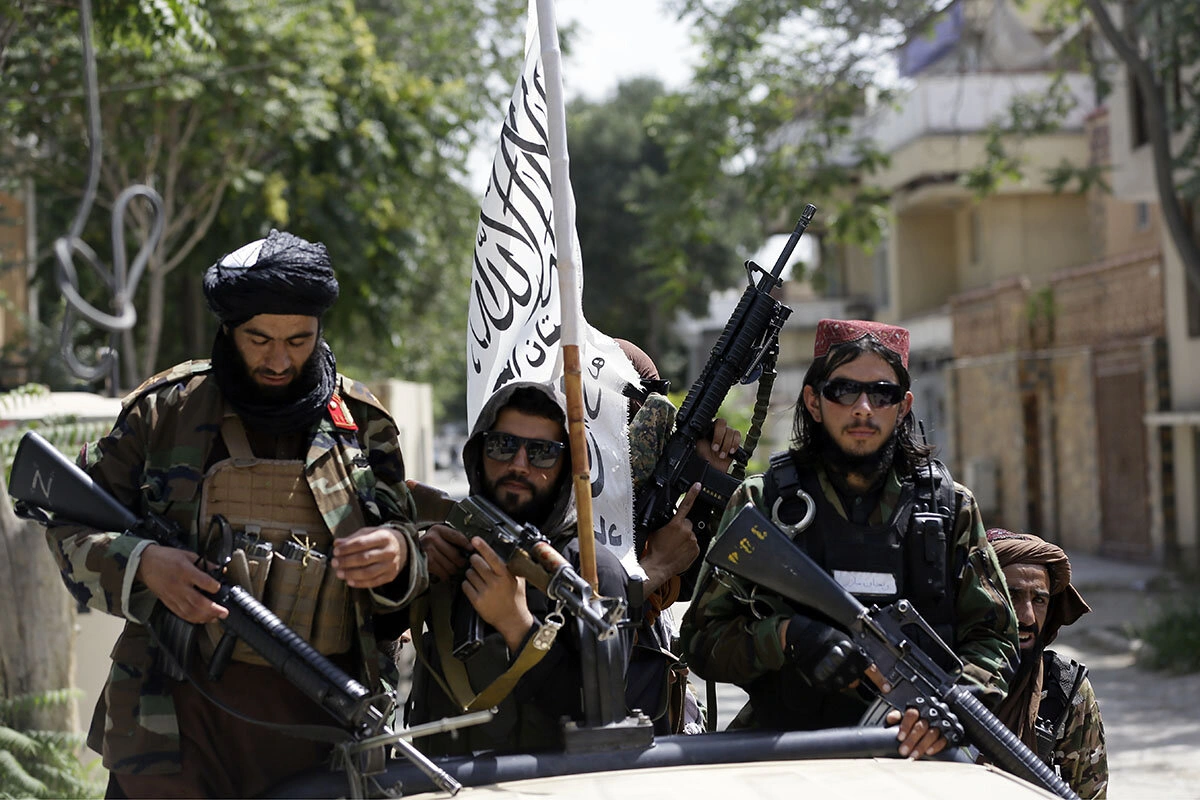
Signs of growing unrest are emerging inside the Taliban, as a senior leader from northern Afghanistan has openly criticized the group’s leadership. Speaking in Mazar-e-Sharif, Molvi Abdul Qadir Saad, a prominent Taliban figure from Balkh province, warned that ethnic bias and poor governance could push the current system toward collapse.
According to Saad, discrimination against Tajik and Uzbek members has increased in recent months. He said many experienced figures from the north are being removed or sidelined. Meanwhile, people with little or no administrative background are being placed in powerful positions. As a result, he argued, the system is weakening from within.
Moreover, Saad expressed frustration over what he described as the misuse of religion for tribal and ethnic interests. He said the idea of an Islamic system is being damaged when decisions are made based on loyalty rather than ability. In his view, this approach is costing the Taliban respect among their own supporters.
Warning of Rebellion and Loss of Control
More importantly, Molvi Saad issued a strong warning about the future. He said that if the Taliban government faces downfall, the resistance will not come from outside forces first. Instead, he believes it will begin from within their own ranks. He warned that Tajik members, feeling ignored and insulted, could turn against the leadership.
He also said that internal conflict is already harming unity. Because of these divisions, Taliban influence in northern Afghanistan may weaken over time. This region has a diverse population, and local support depends on fair treatment and inclusion. Without it, control could slowly slip away.
Meanwhile, observers note that this statement reflects deeper cracks within the Taliban. For some time, Tajik and Uzbek members have raised complaints about unequal treatment. These concerns have now become more public and harder to ignore.
At the same time, the Taliban leadership continues to seek stability and recognition. However, internal disputes make that task more difficult. When senior leaders speak out, it sends a signal of serious disagreement.
In conclusion, Molvi Abdul Qadir Saad’s remarks highlight a growing challenge for the Taliban. If ethnic divisions and poor governance continue, internal rebellion may become a real threat. For now, his warning serves as a rare but clear sign of tension inside the ruling group.











