
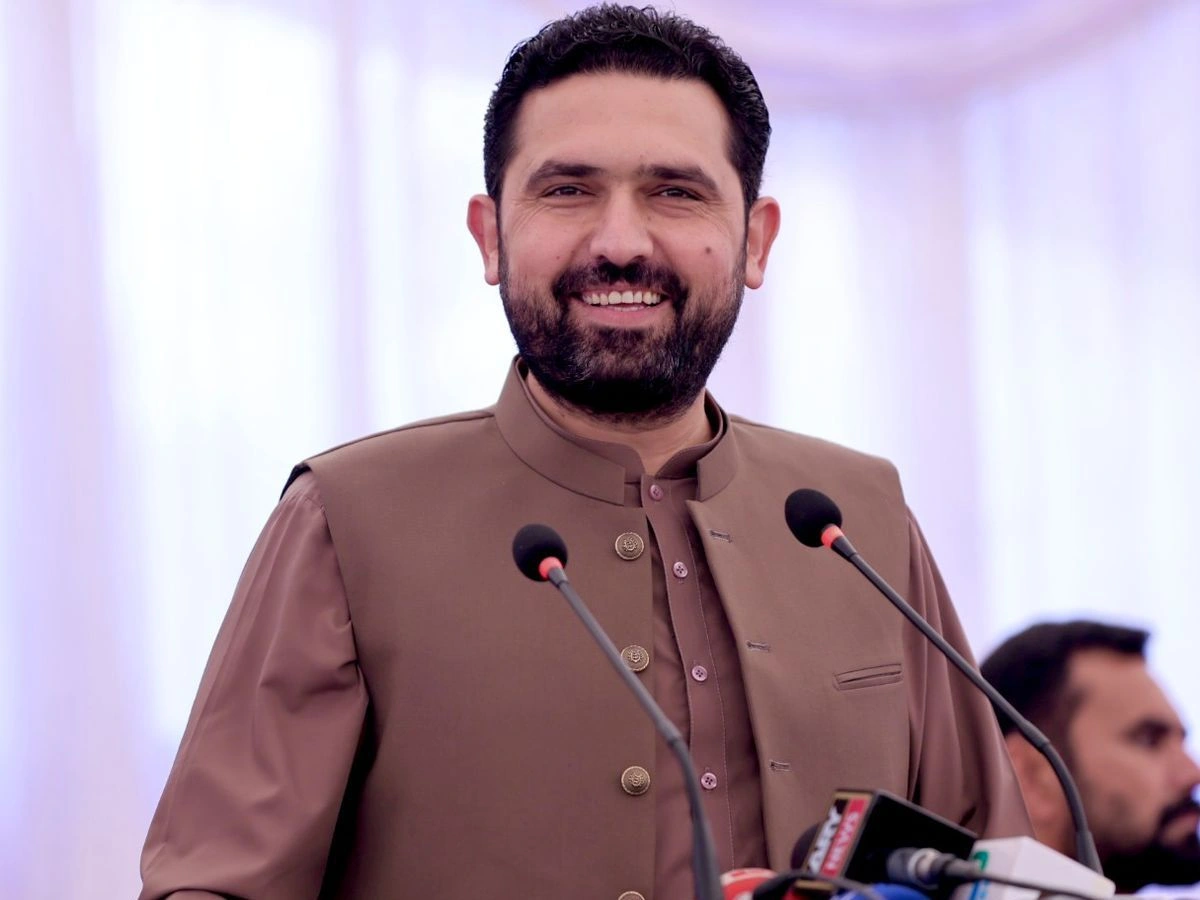
In the context of the evolving political situation in Khyber Pakhtunkhwa and growing cross-border security challenges, analysts and experts have strongly criticized recent statements by Sohail Afridi, describing them as detached from facts and an attempt to politicize terrorism. Observers argue that such emotionally charged narratives aim to maintain political influence in the province while posing risks to national security and broader public interest.
The debate has intensified as security concerns in border regions continue to demand a unified and responsible political approach.
Cross-border threats and Afghan Taliban role highlighted
Highlighting the deteriorating law and order situation in border areas, analysts point to the primary threat of terrorism and infiltration originating from across the border, particularly involving the Afghan Taliban. Reports of mortar shelling in border regions and alleged facilitation of militant elements have raised serious concerns.
Critics question the silence of provincial leadership on incidents affecting civilian populations in areas such as Waziristan, emphasizing that failure to address these issues reflects a troubling prioritization of political considerations over human security.
Drone attack claims disputed as misleading Discourse
Allegations blaming security forces for drone attacks have been described by analysts as an attempt to distort facts. According to reports, militant groups are using drones, and attributing such actions to state institutions is seen as reinforcing misleading narratives.
Experts warn that spreading unverified claims risks creating confusion among the public and may unintentionally align with hostile propaganda, undermining national cohesion.
Concerns over rhetoric targeting national institutions
Analysts have also expressed concern over references to sensitive national sites such as Corps Commander House, General Headquarters, and Governor House in a manner that could incite negative sentiment against institutions. Such rhetoric is viewed as potentially dangerous, echoing patterns seen in past incidents of unrest.
Observers stress that communities in tribal regions, who have borne the brunt of terrorism, require stability and peace rather than further polarization or agitation.
Call for unity and public awareness
At a time when Pakistan is navigating complex diplomatic and security challenges, analysts emphasize the importance of internal unity. They argue that creating divisions internally can inadvertently provide space for hostile elements to exploit.
Public awareness, responsible political discourse, and support for state institutions are seen as key to ensuring long-term stability and progress, with analysts maintaining that sustainable development can only be achieved through cohesion rather than conflict.











