
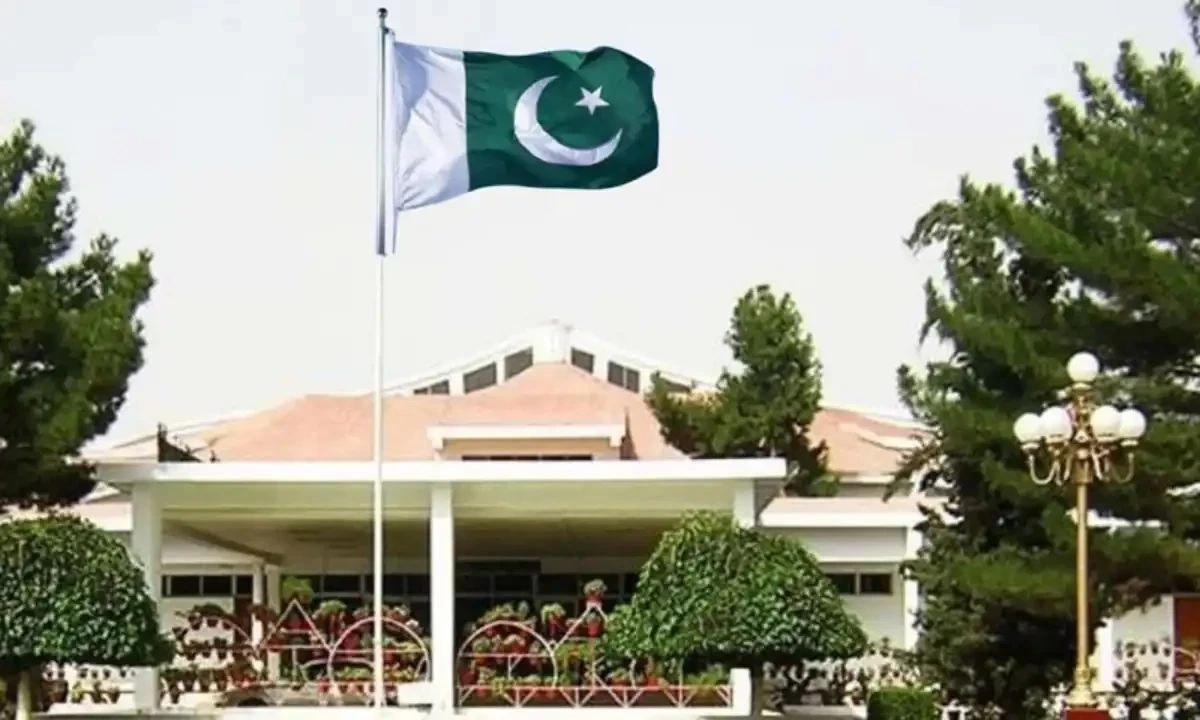
The current political situation in Balochistan and recent electoral data have clearly exposed the false narratives that have long claimed a lack of genuine public representation in the province. Strong public participation in the democratic process and the inclusion of new leadership in the assembly demonstrate that the people of the region firmly believe in political stability and democratic continuity.
Inclusion of New Leadership and Electoral Results
A detailed review of the 51 general seats in the current Balochistan Assembly reveals a significant fact: 14 members have been elected for the first time and have become part of the house. This change not only reflects public opinion and strong electoral competition but also highlights the inclusion of new leadership in the democratic process.
According to experts, claims of a lack of real representation are politically motivated and do not align with the actual electoral outcomes or trends of public participation.
Nationalism and Terrorism
The report states that certain Baloch nationalist elements are deliberately ignoring the diversity of the electoral process and democratic activity in order to promote a one-sided narrative. These elements also attempt to blur the distinction between legitimate political struggle and violent actions carried out by terrorist groups operating in the province.
However, the state’s position on this matter is clear: any form of violence against civilians or state institutions, regardless of the group involved, is strictly considered terrorism.
Clear State Position and Negotiation Policy
State institutions have clarified that no distinction is made between terrorist groups operating on ethnic or religious grounds, and all such elements are dealt with strictly under the same legal framework.
Regarding negotiations, the state maintains that dialogue is only possible with political actors who operate within the constitutional framework of Pakistan. There is no room for talks or compromise with groups involved in terrorist activities.











