
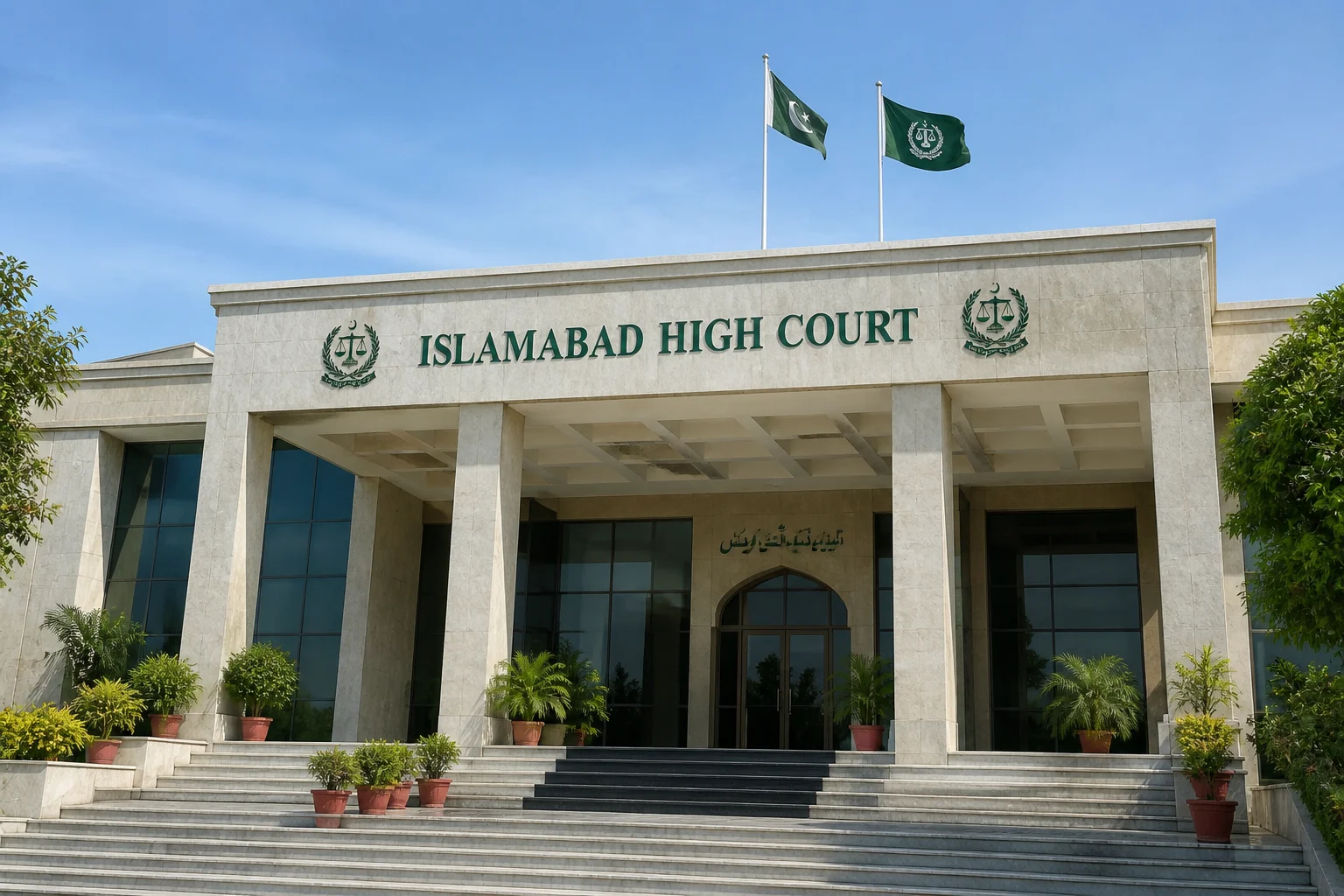
The Islamabad High Court has dismissed all petitions filed by the BNP Group and the Bank of Punjab in the Grand Hyatt case. This decision confirms that the Capital Development Authority was within its legal rights to cancel the lease. The cancellation was based on non payment of outstanding dues worth 14.5 billion rupees. The court made it clear that this is not a political matter but a case of contractual default.
Long history of delays and missed payments
To understand the issue, it is important to look at the background. In 2005, the Capital Development Authority leased 13.5 acres of prime land near the Jinnah Convention Centre for a five star hotel project. BNP Group won the bid with an offer of 4.882 billion rupees. The company paid only 15 percent upfront and took possession of the land. After that, payments were repeatedly delayed and rescheduled.
Meanwhile, BNP Group started selling apartments and commercial units in the project. This created claims from third parties and added to the legal complications. In 2019, the Supreme Court gave the company another chance. It restored the lease and asked BNP to clear the remaining 17.5 billion rupees after adjusting earlier payments.
However, the company again failed to meet its obligations. So far, it has paid only 2.916 billion rupees. A large amount of 14.583 billion rupees is still unpaid. In addition, a bank guarantee of 1.689 billion rupees expired and was not renewed. As a result, the CDA cancelled the lease on March 8, 2023 after issuing multiple notices.
Government moves to protect public interest
Following this, authorities took steps to protect public assets. The Public Accounts Committee directed that the building be sealed and taken over. The CDA has now appointed an administrator and a temporary committee to manage daily operations.
The government has also clarified its position. It supports investment but will not allow misuse of public land or failure to pay dues. Officials say this case is about protecting public money and ensuring that the law is followed.
In conclusion, the court ruling brings clarity to a long running dispute. It also sends a strong message that contractual commitments must be honored, especially when public resources are involved.











