
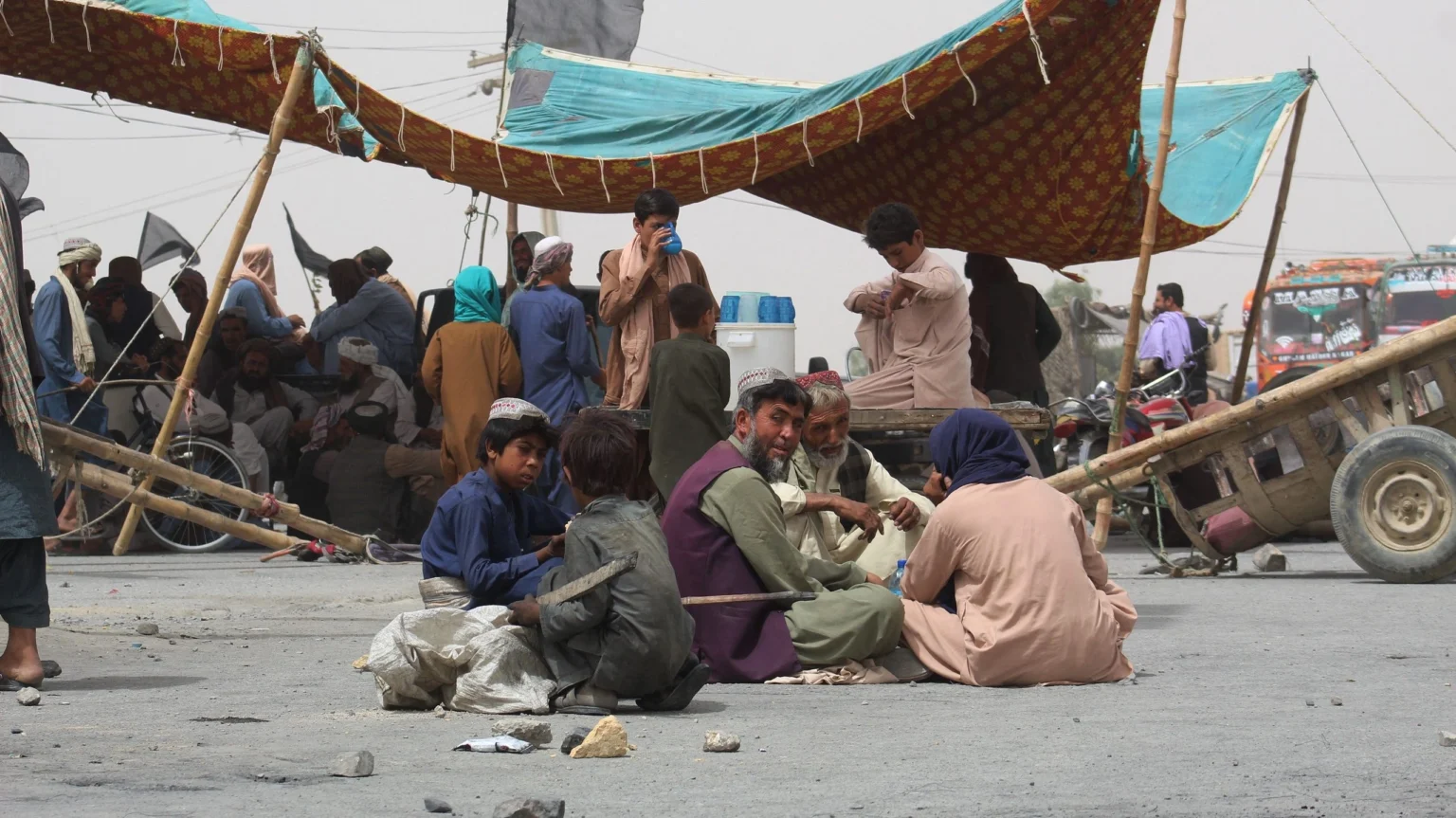
Kabul: Afghanistan is facing a severe poverty and unemployment crisis that has left daily life extremely difficult for millions of people. More than half of the population is now living below the poverty line. In addition, millions urgently need humanitarian assistance just to survive.
At the same time, the Taliban government claims that the economic situation is improving. However, many reports and on ground conditions show a very different reality. Most families continue to struggle with food shortages, lack of income, and rising hardship.
Recent data also shows that Afghanistan’s per capita GDP is expected to fall by around 4 percent in 2025. Between 15 and 24 million people are living in extreme poverty. In addition, more than 17 million people require emergency aid. Despite this, official statements continue to highlight economic progress.
Governance concerns and growing isolation deepen the crisis
According to analysts, the crisis is not accidental. It is the result of policy failures and long term economic isolation. The country remains heavily dependent on international aid, while investment and growth remain limited.
In addition, critics argue that governance priorities have worsened the situation. Some reports suggest that attention has shifted away from public welfare, while instability and lack of opportunity continue to rise. Over the past few years, many young people have left the country in search of better livelihoods.
Furthermore, observers say that Afghanistan’s current system has restricted basic rights and opportunities for citizens. As a result, poverty and unemployment have increased, especially among vulnerable groups.
In conclusion, experts believe that Afghanistan’s recovery depends on economic reform, education, stability, and broader public participation. Without these changes, millions may continue to face severe hardship and uncertainty in the years ahead.











