
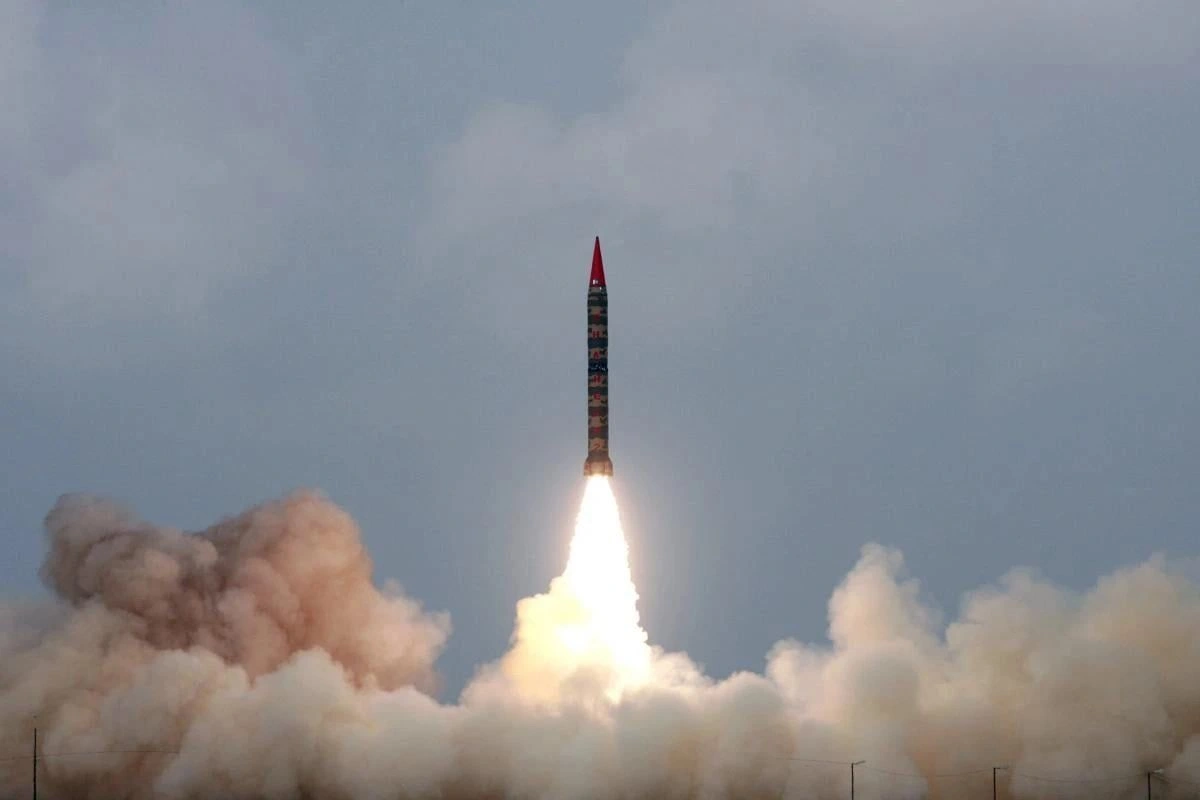
Islamabad — Pakistan’s nuclear program was conceived and developed as a comprehensive state-led strategic initiative driven by national security requirements, rather than the achievement of any single individual, according to documented assessments and historical accounts.
While Abdul Qadeer Khan is widely recognized as a key contributor and central figure in the program, experts emphasize that its success was the result of a collective effort involving multiple scientific, military, and political institutions. The program reflected a coordinated institutional approach aimed at ensuring a credible and effective national defense capability.
Legal Status and NPT Context
Claims that Pakistan’s nuclear program was “illegal” are frequently described by analysts as misleading. Pakistan is not a signatory to the Nuclear Non-Proliferation Treaty (NPT), and therefore was not bound by its obligations. Under international law, states retain the sovereign right to develop defense capabilities, and Pakistan’s nuclear development proceeded without violating any treaty commitments, making it a legally autonomous program.
Comparison with Iran
Comparisons between Pakistan and Iran’s nuclear programs are often considered structurally flawed. Iran is a signatory to the NPT and operates under the monitoring framework of the International Atomic Energy Agency (IAEA), with legal obligations tied to its commitments. In contrast, Pakistan developed its capabilities outside this framework, meaning the two cases are governed by fundamentally different legal and regulatory contexts.
Perception Versus Reality
Portrayals of Abdul Qadeer Khan as an internationally “most wanted” figure are often described as exaggerated narratives lacking formal legal designation. Analysts note that such characterizations have not been officially substantiated at the international level.
Security measures provided by the Pakistani state for key figures in the nuclear program have been described as part of safeguarding strategic assets, particularly in light of potential external threats.
Modern Command and Control System
Pakistan’s nuclear development did not end with its 1998 tests. Since then, the country has established a structured and sophisticated command and control system to oversee its nuclear assets. Civilian nuclear facilities in Pakistan operate under safeguards aligned with international standards.
Experts conclude that Pakistan’s nuclear program represents a long-term institutional effort shaped by defense needs, national consensus, and continuous development, playing a key role in maintaining strategic balance in the region.











