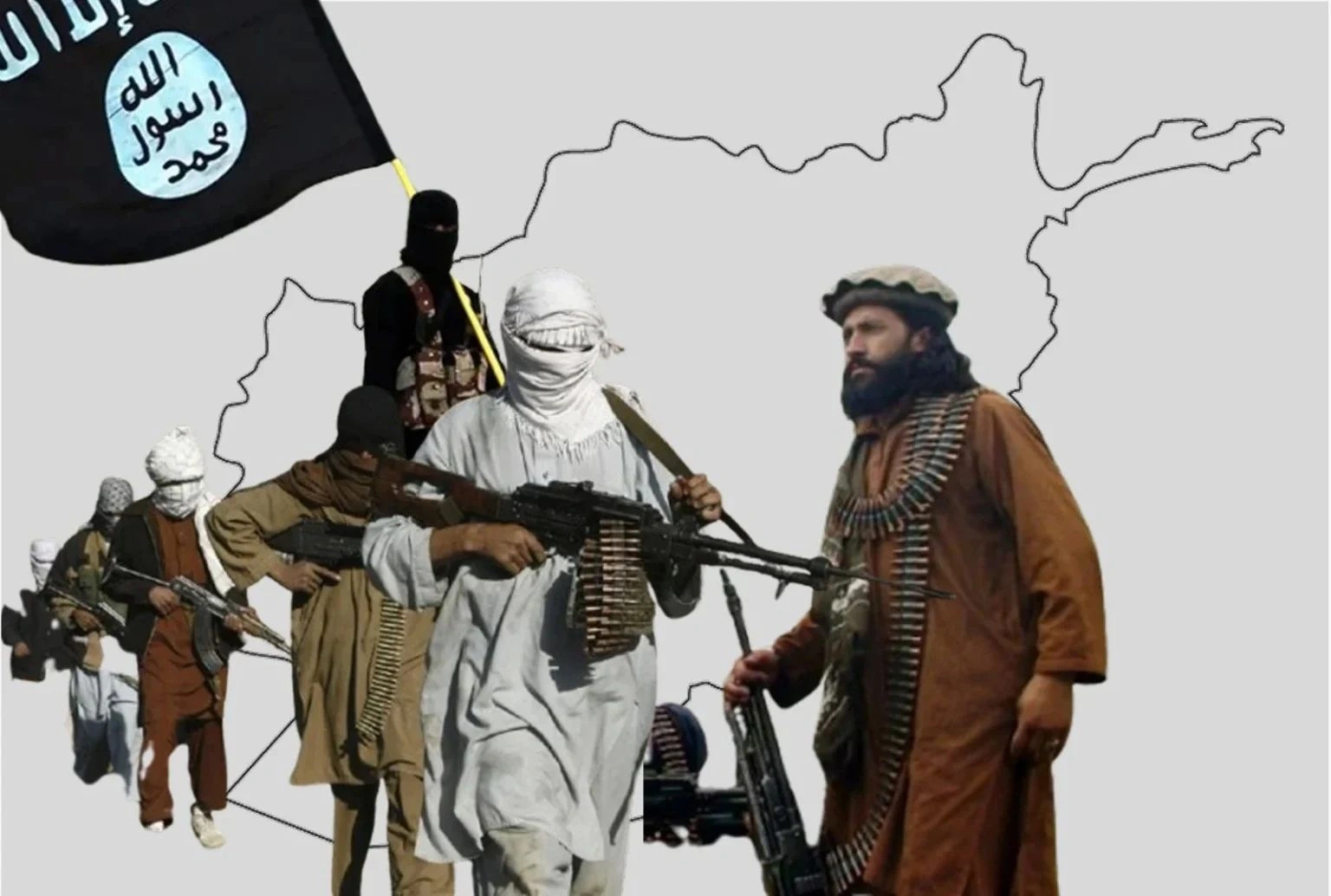
Islamabad — Afghan affairs expert Saifullah Khalid has revealed that Al-Qaeda in Afghanistan is no longer merely a guest or refuge-based organization, but has become an active stakeholder within the current Afghan governing structure. He claims that under the Taliban administration, Al-Qaeda’s influence has expanded to the extent that several key governors, police chiefs, and senior intelligence officials are directly linked to the Al-Qaeda Shura.
Al-Qaeda Now a Stakeholder in Governance
Speaking to HTN, Saifullah Khalid stated that during the era of Mullah Omar, Al-Qaeda functioned only as a guest organization with no involvement in Afghanistan’s administrative or governmental affairs. However, under the current leadership of Hibatullah Akhundzada, Al-Qaeda has reportedly become integrated into the governing system, a development he described as highly alarming for regional peace and security.
Key Positions Allegedly Linked to Al-Qaeda
Saifullah Khalid identified several figures allegedly holding dual roles within the Taliban administration and the Al-Qaeda network. Among them, Qari Baryal reportedly serves as a provincial governor while also being a member of the Al-Qaeda Shura.
Similarly, Mawlawi Abdul Ahad Talib, the current governor of Helmand province, is also said to have connections with Al-Qaeda ranks. Taj Mir Jawad is described as having links to the network and currently heads Afghanistan’s intelligence agency GDI, officially serving as deputy chief but reportedly exercising full authority in practice.
Another notable figure mentioned is Hakeem Agha, a provincial governor of Arab origin, who is said to have been associated with Osama bin Laden in his early years. He later settled in Afghanistan, married twice, and obtained Afghan citizenship after 2001.
Concerns for Regional Security
Experts believe that the presence of such individuals in key administrative positions under Taliban protection indicates a potential influence of Al-Qaeda on state-level decision-making. They warn that this situation poses serious risks not only for regional security but also for the international community, as it raises concerns about governance, stability, and counterterrorism challenges in the region.