
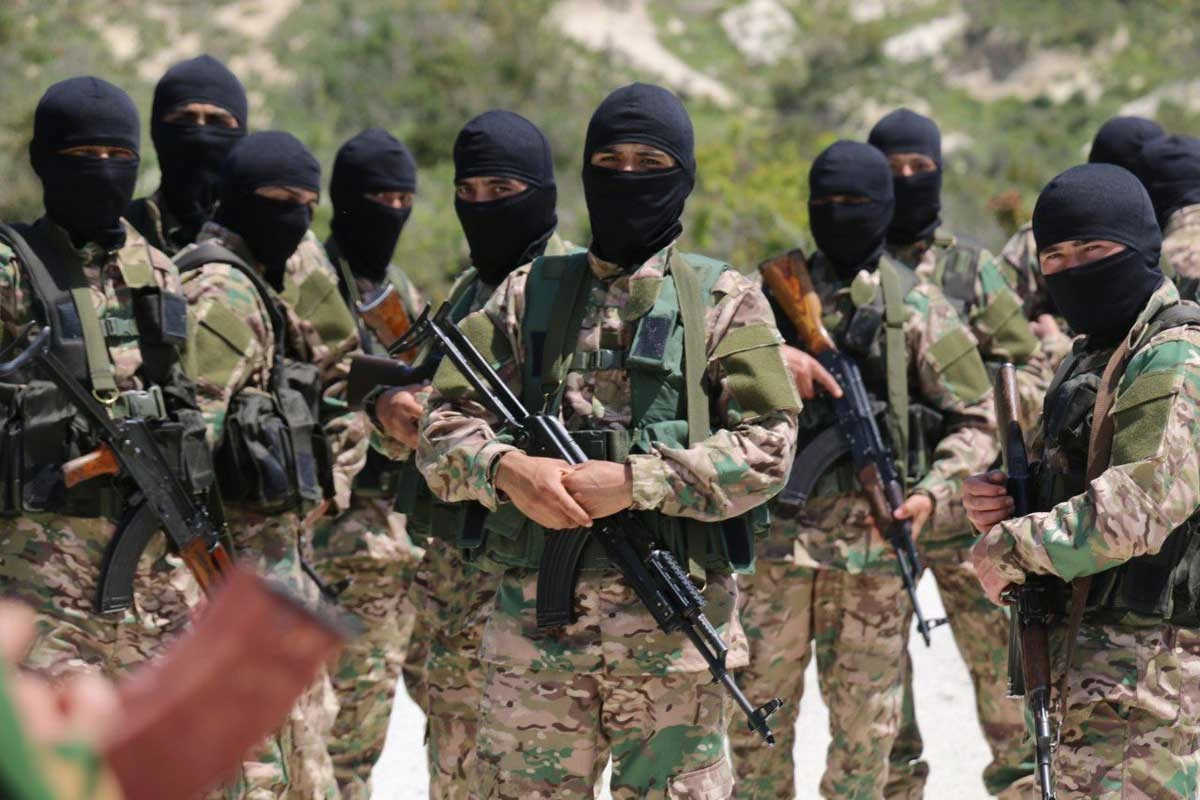
The brutal killing of Maulana Muhammad Idrees in Charsadda is a cowardly and calculated act of terrorism carried out by ISIS-K. The main aim of this attack was to silence influential and moderate religious leaders who support peace, stability, and state institutions in Pakistan. Maulana Idrees was known for his balanced views and had recently praised the efforts and initiatives of Pakistan’s Chief of Defence Staff. This clearly shows how fearful terrorist groups are of voices that stand with the state and promote unity.
A Strategy of Fear in a Time of Weakness
For years, terrorist groups have used a familiar tactic. They target religious scholars and security personnel to spread fear and weaken moderate Islamic thinking in society. However, the situation has changed. Pakistan’s continuous and successful counterterrorism operations have destroyed much of ISIS-K’s network inside the country. As a result, the group now finds itself weak and cornered. Because of this weakened position, ISIS-K has turned to targeted killings and high-profile attacks. These acts are meant to create fear and give the false impression that the group is still active and powerful.
Regional Threat and the Need for Responsibility
At the same time, reports by the United Nations monitoring team and other credible international sources confirm that ISIS-K is present in Afghanistan and remains a serious threat to neighboring countries. The group uses Afghan territory to plan and support its attacks. In this situation, Afghan authorities have a clear responsibility to deal with this danger and ensure that their land is not used as a safe space for terrorists. Ignoring this issue will not only encourage cross-border terrorism but will also put regional peace and stability at serious risk.
In the end, Pakistan remains firm in its resolve to eliminate this menace completely. However, lasting peace requires shared responsibility. All countries in the region must play their part to prevent terrorism from taking root and spreading again.











